Buying a New Car for the Life We Live or the Life We Imagine?
When practicality challenges our emotional connection to cars.
commentary
by Patrick Hong
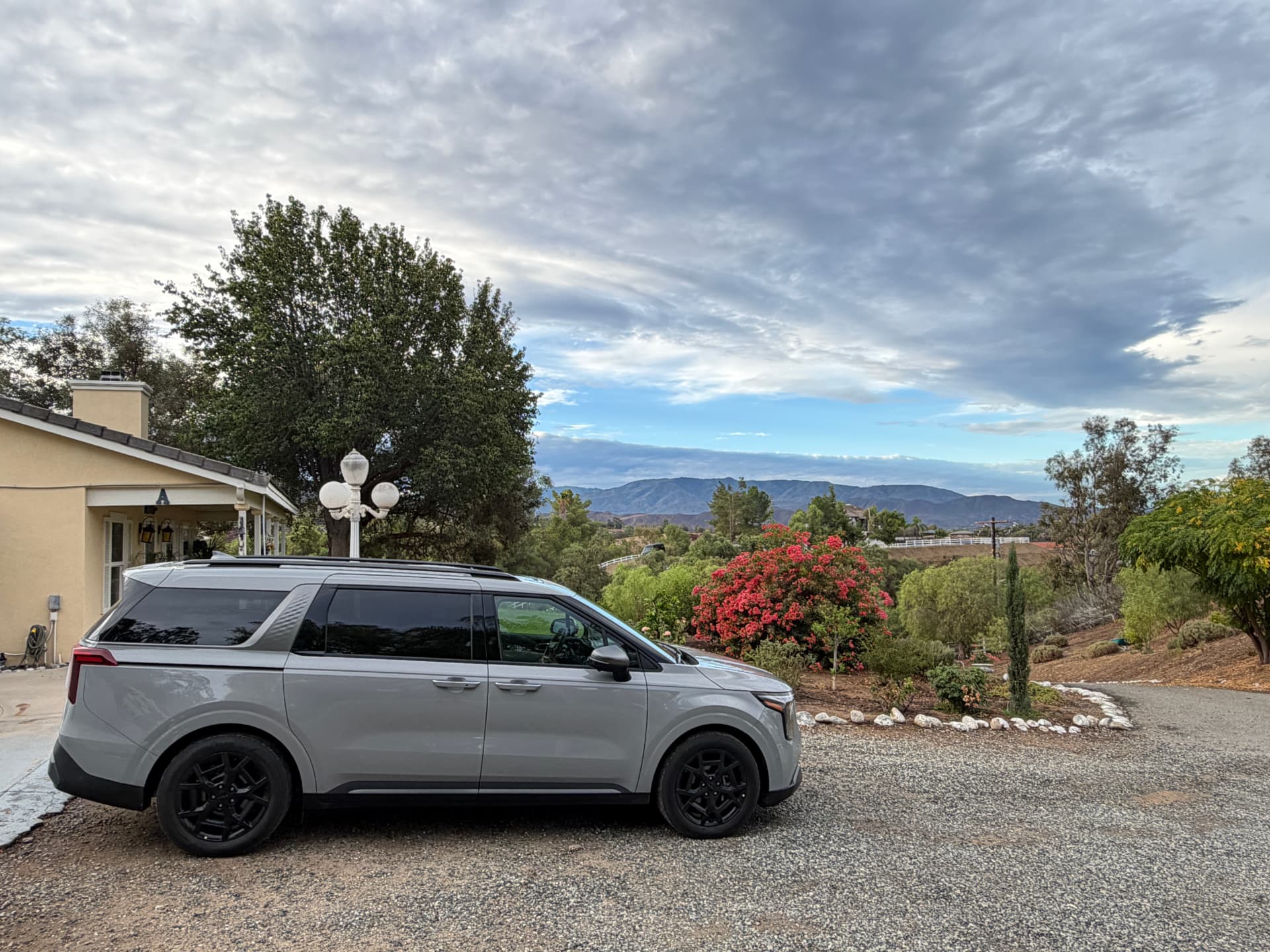
As our family considers replacing our aging 2003 Mazda MPV (some in the family see it as “vintage”), one question keeps coming up: SUV or minivan?
Our family dynamics have changed. Our boys are now grown men: one recently graduated from college, and the other is approaching graduation. Meanwhile, our parents are in their late 80s and early 90s, with mobility becoming an increasing concern. What we need from a family vehicle today is very different from what we needed two decades ago.
Our recent long weekend trip to Temecula, California, in the 2027 Kia Carnival Hybrid SX Prestige gave us a chance to reconsider those needs.
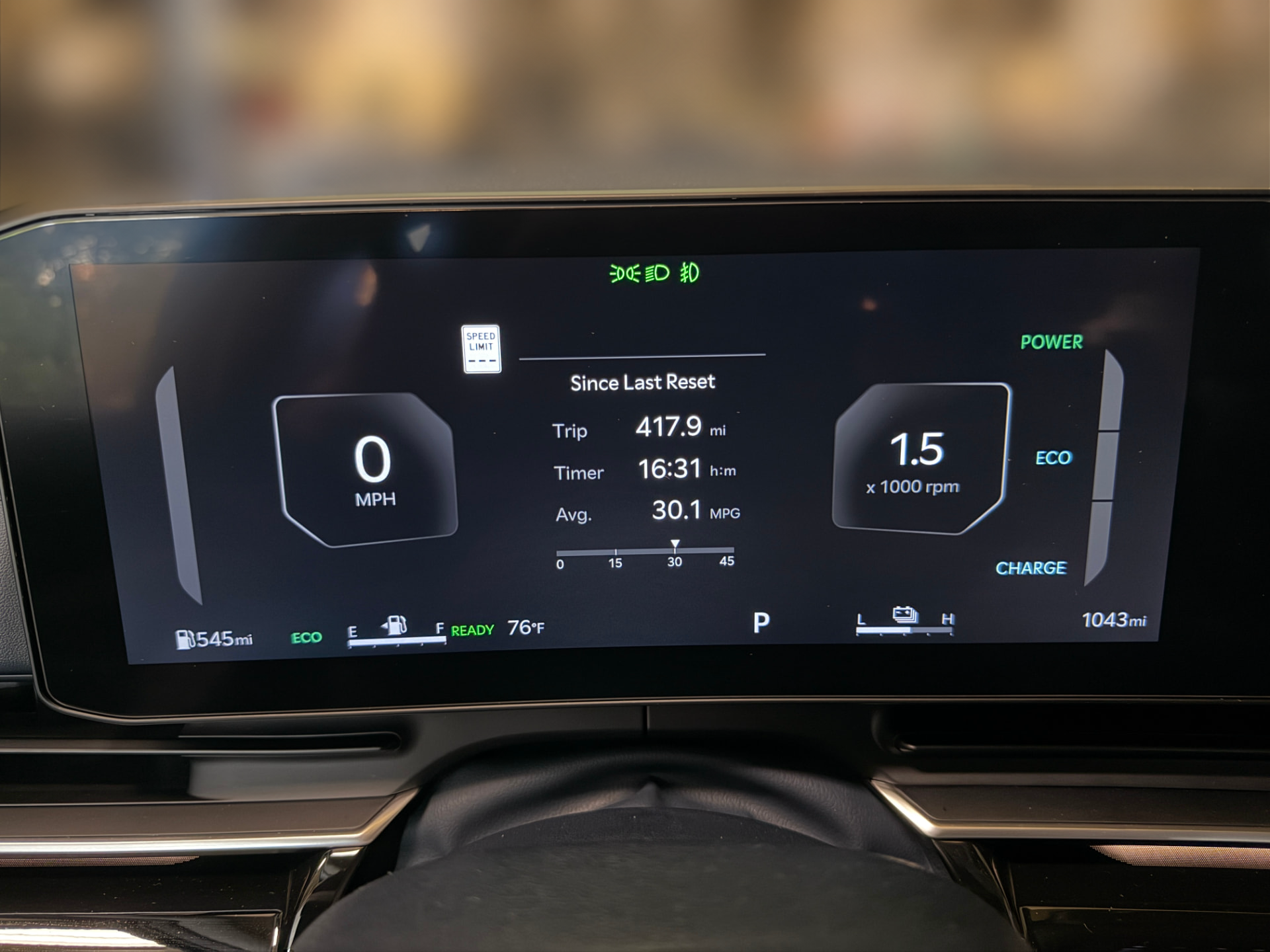
At $55,915, our test Carnival was hardly inexpensive. Yet its 1.6-liter turbocharged hybrid powertrain, rated at an impressive 32 MPG combined, delivered confident acceleration without sacrificing fuel efficiency. Its comfortable interior, dual 12.3-inch displays, and numerous conveniences made traveling enjoyable.
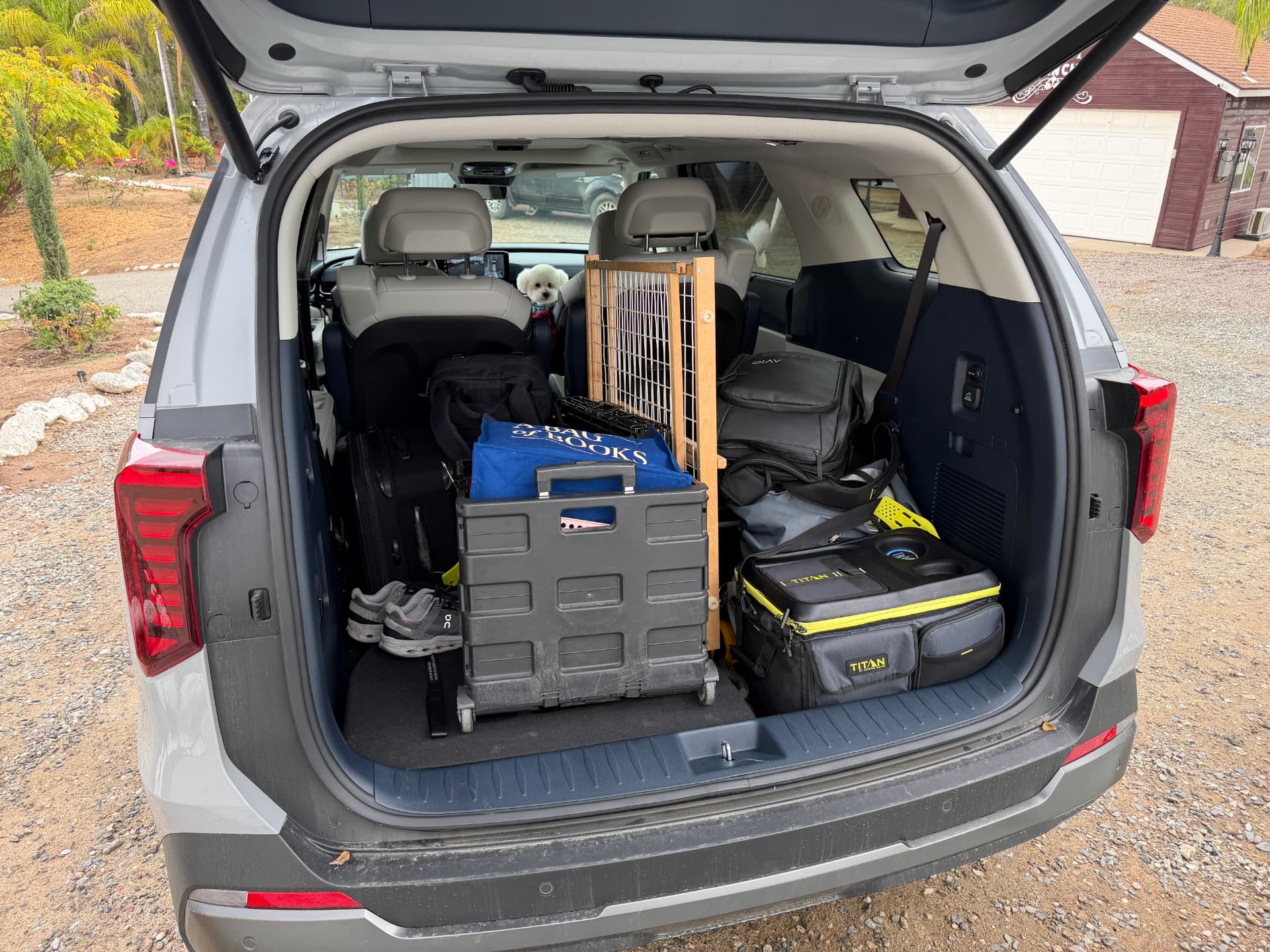
More importantly, it accommodated four adults, our beloved 17-pound Bichon Frise, Obi, luggage, dog crates, gates, and other necessities for our getaway. Everyone had room to stretch out and charge their
electronic devices.

Still, compared with our 23-year-old Mazda MPV, the Carnival felt less connected to the road, even though it cruised comfortably on the pavement. Our smaller MPV remains surprisingly enjoyable to drive, especially around town, with better road feedback and a more manageable size around busy streets. Sometimes newer isn't necessarily more engaging.
That said, should a minivan drive like a sports car?
Our test Carnival featured luxurious second-row power captain's chairs with leg supports, but their configuration made accessing the third row less convenient than I would prefer. Then again, how frequently will we need that third row? Perhaps I'm holding onto the sentimental hope that our grown boys will continue joining us on family vacations.
For our aging parents, however, the Carnival makes a lot of sense. Getting into and out of a tall SUV can be challenging, especially for my mother, who requires assistance because of lower-back problems. The Carnival's lower entry height and sliding doors offer practical advantages. Even our weekend at-home routines favor a minivan. Between grocery shopping and transporting surplus bakery donations to our local church, accessible cargo space matters more than rugged styling.
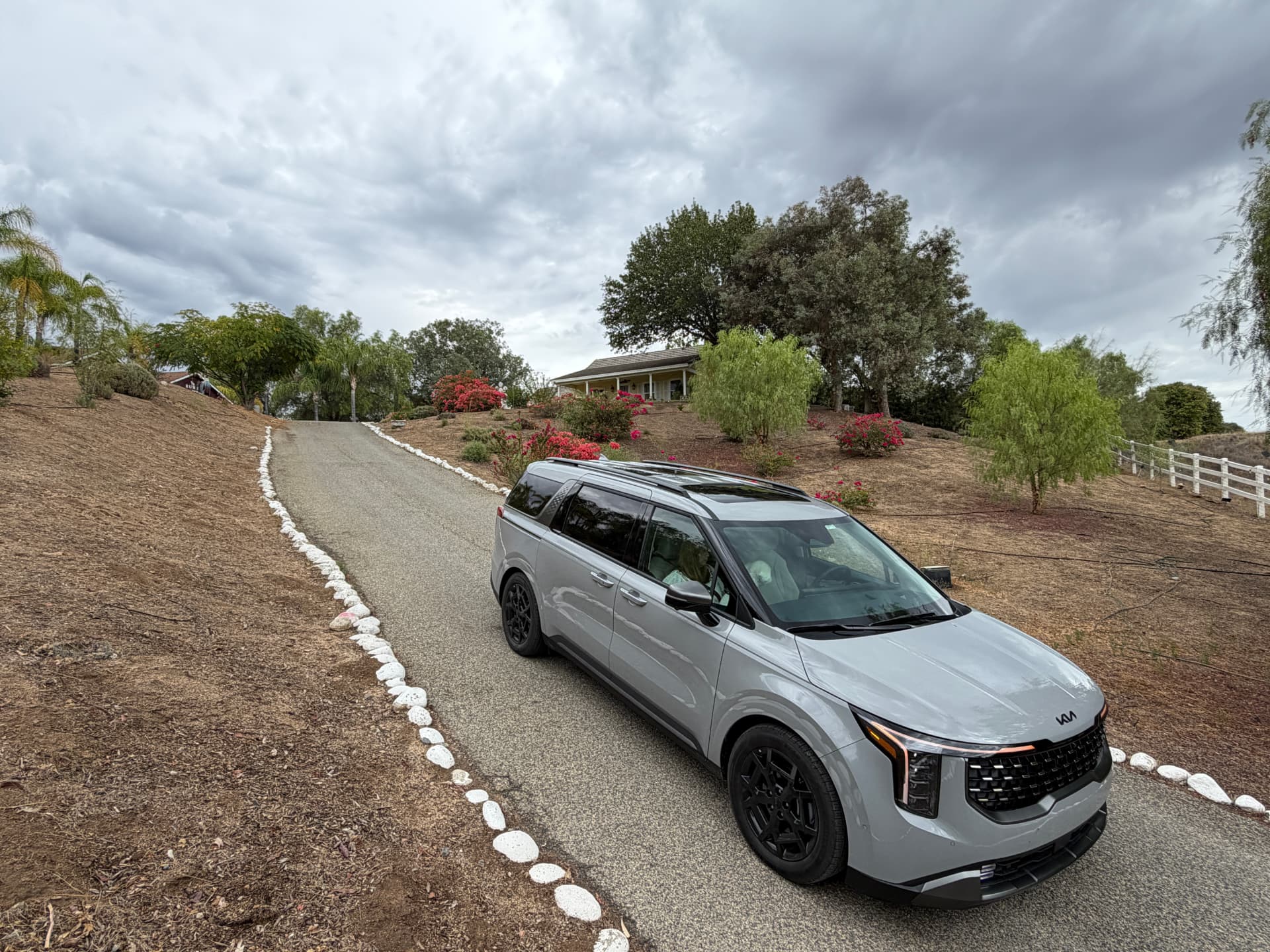
Yet SUVs remain tempting.
Their commanding appearance, available all-wheel drive, and promise of adventure appeal to something beyond practical transportation. We imagine exploring unbeaten paths, much as sports-car enthusiasts envision winding mountain roads. But how often do those adventures happen? Most days, we navigate traffic, run errands, and commute on congested roads.
Perhaps that's the fascinating contradiction in buying a car. We justify decisions with practical reasoning, yet emotions often shape our preferences. Ruggedness, styling, performance, and nostalgia create connections that logic can't always explain.
The Carnival Hybrid makes a compelling case for buying a vehicle that fits the life we actually live, not the adventures we imagine.
But would I choose it over a stylish SUV?
That's where logic and emotion begin negotiating again. Perhaps that's why buying a car is never simply about transportation. To be continued...
Comments
Loading comments…