2026 Kia Sportage X-Line
Consensus at a glance
- Consensus score
- Not yet rated
- Price
- $28,785 – $39,685
- Powertrain
- Gasoline
- Combined fuel economy
- 26 MPG
kia sportage x-line
1. Quick Take
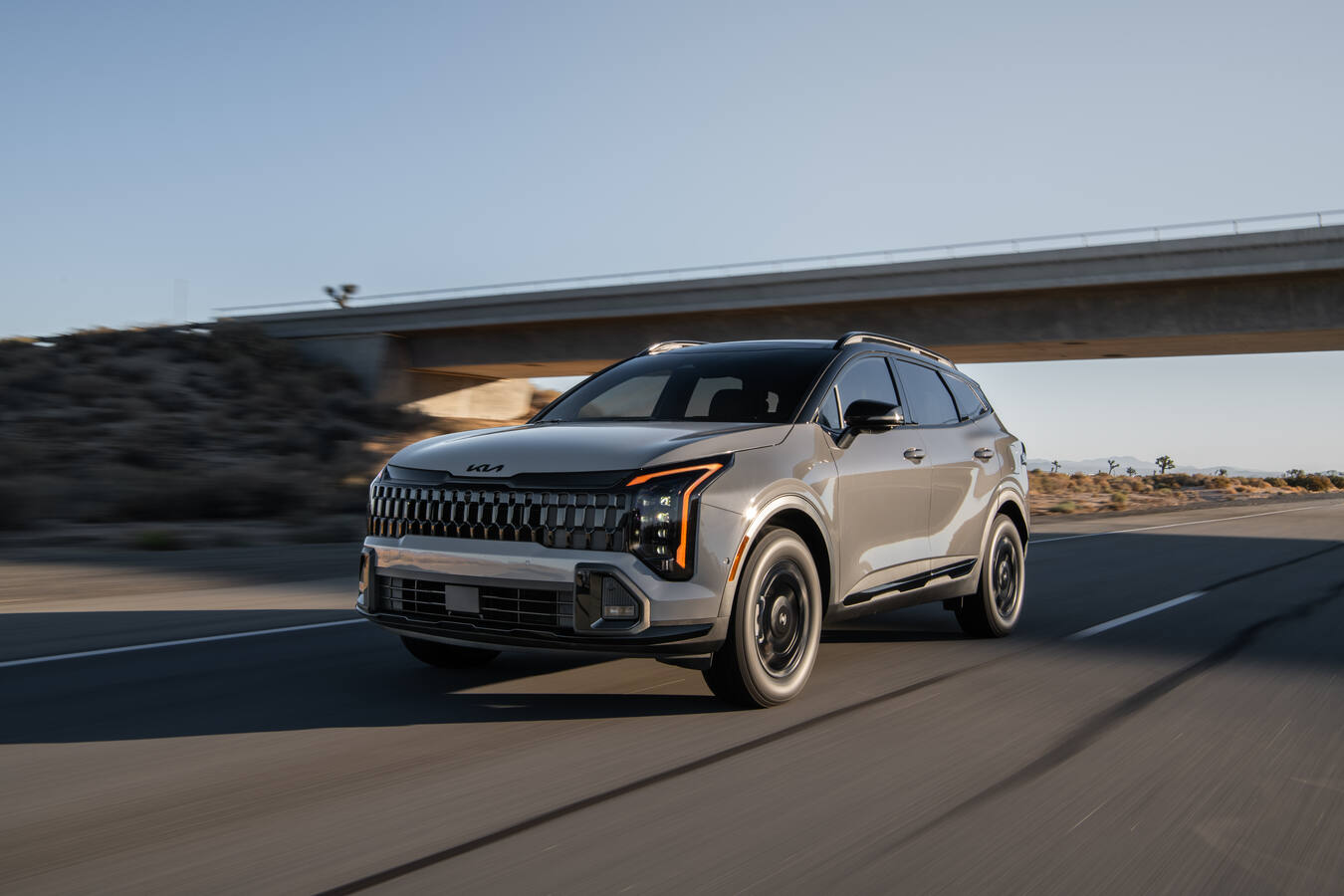
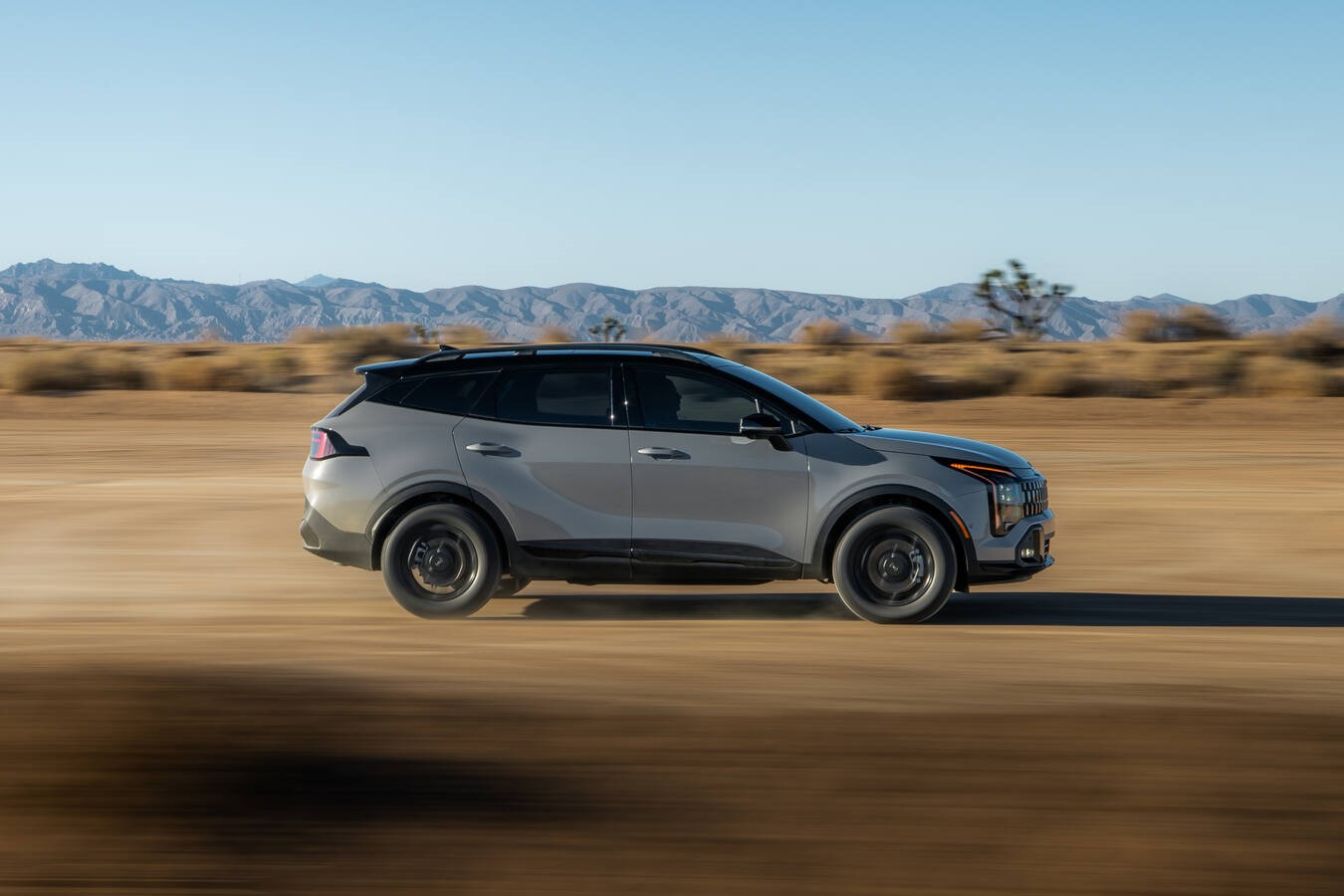
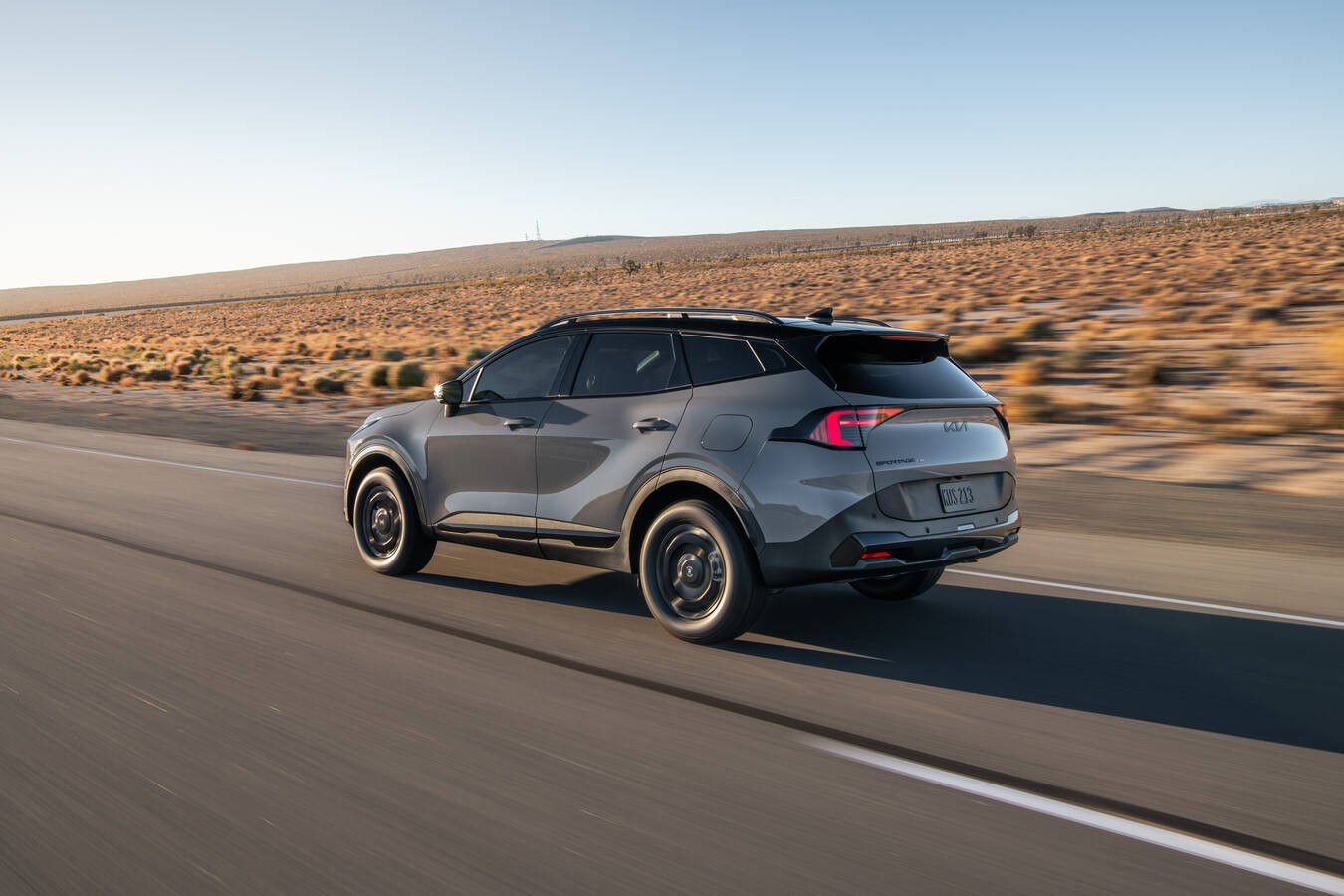
The 2026 Kia Sportage X-Line is the style-forward, adventure-themed anchor of Kia’s compact crossover lineup. It distinguishes itself through a "rugged" aesthetic rather than hardcore off-road hardware. Positioned as a "Goldilocks" option between the conservative Honda CR-V and firm Mazda CX-50, the X-Line bundles standard AWD with unique bumpers, satin chrome accents, and 19-inch wheels for a tougher stance. While more of a "soft-roader" for gravel and snow than rock crawling, it aligns with its target demographic's reality. It scratches that "Subaru-lite" itch without forcing a compromise on the technology-rich, car-like interior that is a Kia hallmark. The driving experience is competent and calm, prioritizing comfort over sportiness. Journalists highlight its "class-above" cabin and value proposition, though its capabilities are ultimately limited by street-leaning tires and ground clearance. It is a fashion-conscious daily driver providing SUV utility with a near-luxury presentation.
2. Its Main Competition
The Sportage X-Line competes in a gladiatorial segment against adventure trims like the Toyota RAV4 Adventure/TRD, Subaru Forester, Mazda CX-50, and Honda CR-V TrailSport. Against the Forester and RAV4 TRD, the Sportage is the urban-centric choice; while the Subaru offers better trail capability, its interior feels utilitarian compared to the Kia. Compared to Mazda’s CX-5 and CX-50, the Kia trades steering precision for superior volume and a family-friendly ride. As a disruptor to sales leaders like the RAV4 and CR-V, it offers a more dramatic exterior and a cabin that feels a generation ahead. While Toyota and Honda boast smoother powertrains and higher resale, the Sportage wins on "wow factor" and features. Differences with the Hyundai Tucson mostly involve styling preferences. Ultimately, the X-Line is for buyers choosing modernity over "safe" Japanese rivals.
3. Its Buyer’s Demographics
X-Line buyers skew younger and more style-conscious, primarily Millennials and younger Gen Xers in their "first family car" phase. These active-lifestyle consumers need space for gear or small families and seek a vehicle projecting an adventurous image for hobbies like hiking, even if mostly used in suburbs. Economically, they are middle-to-upper-middle class, with incomes between $70,000 and $110,000. They are value-sensitive but willing to pay for aesthetics, responding well to Kia's warranty and feature bundling. High education levels correlate with a desire for the latest safety and connectivity tech. Geographically, interest is high in snow-belt regions where AWD is considered a necessity. Unlike budget-motivated base-trim buyers, X-Line shoppers often cross-shop against entry-level premium vehicles or top mainstream trims.
4. Design
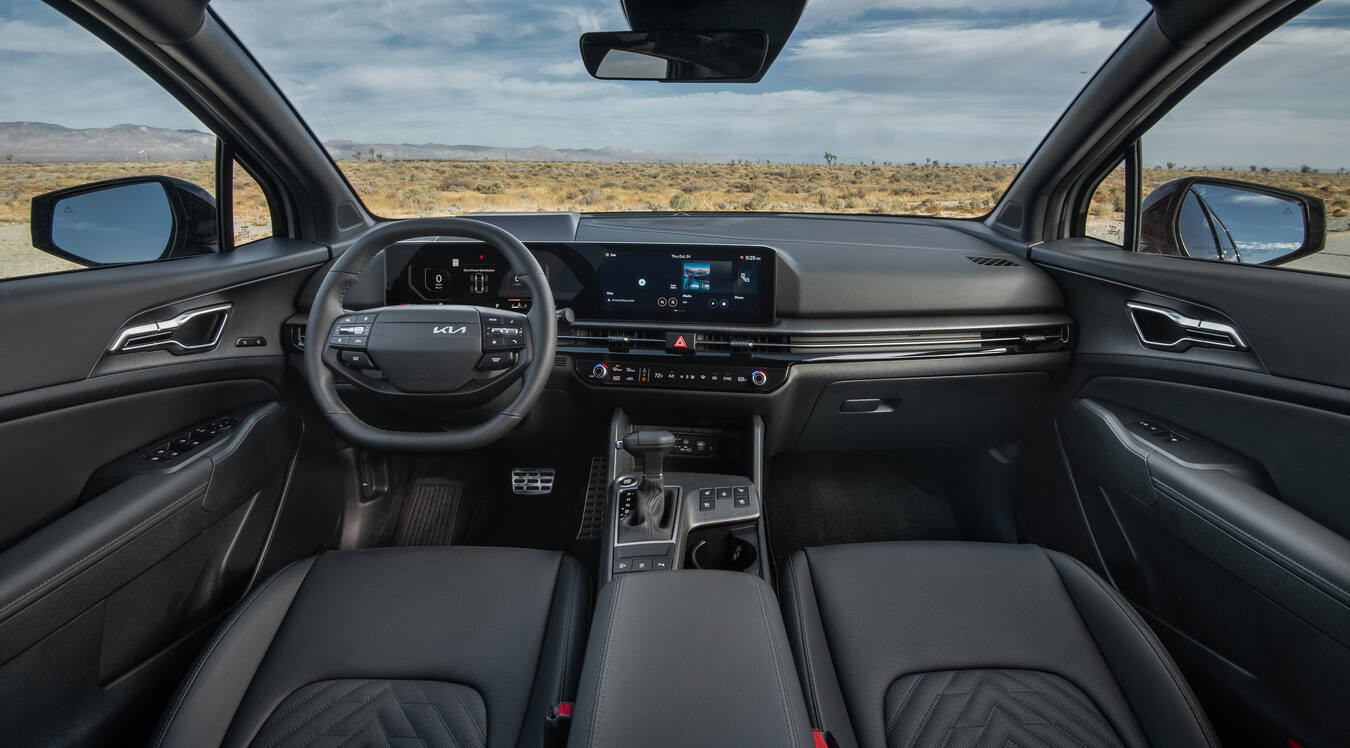
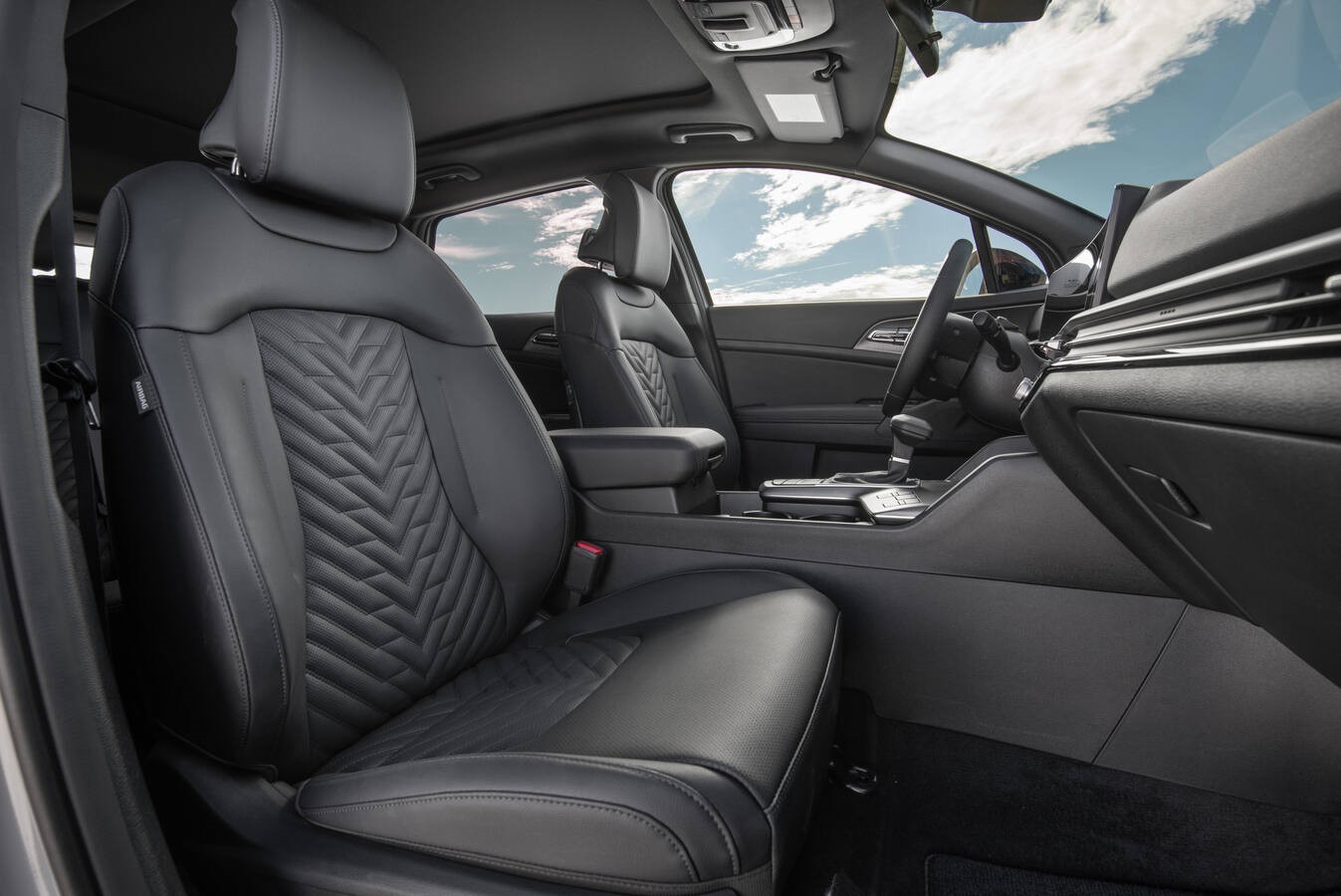
Design is the Sportage X-Line’s most potent weapon. Its "Opposites United" exterior features a massive "Tiger Nose" grille and boomerang-shaped LED lights, setting it apart from conservative rivals. The X-Line trim adds visual muscle via satin chrome, gloss black accents, taller roof rails, and 19-inch wheels. While some find it "busy," others see it as a signal of modernity. Inside, a curved panoramic display houses the instruments and infotainment, rivaling luxury German setups. The asymmetrical console and unique air vents create an avant-garde vibe that punches above its weight. Ambient lighting and varied textures help hide its budget-friendly roots. For its target buyer, the X-Line is a fashion statement as much as a transportation tool.
5. Interior & Cargo Room
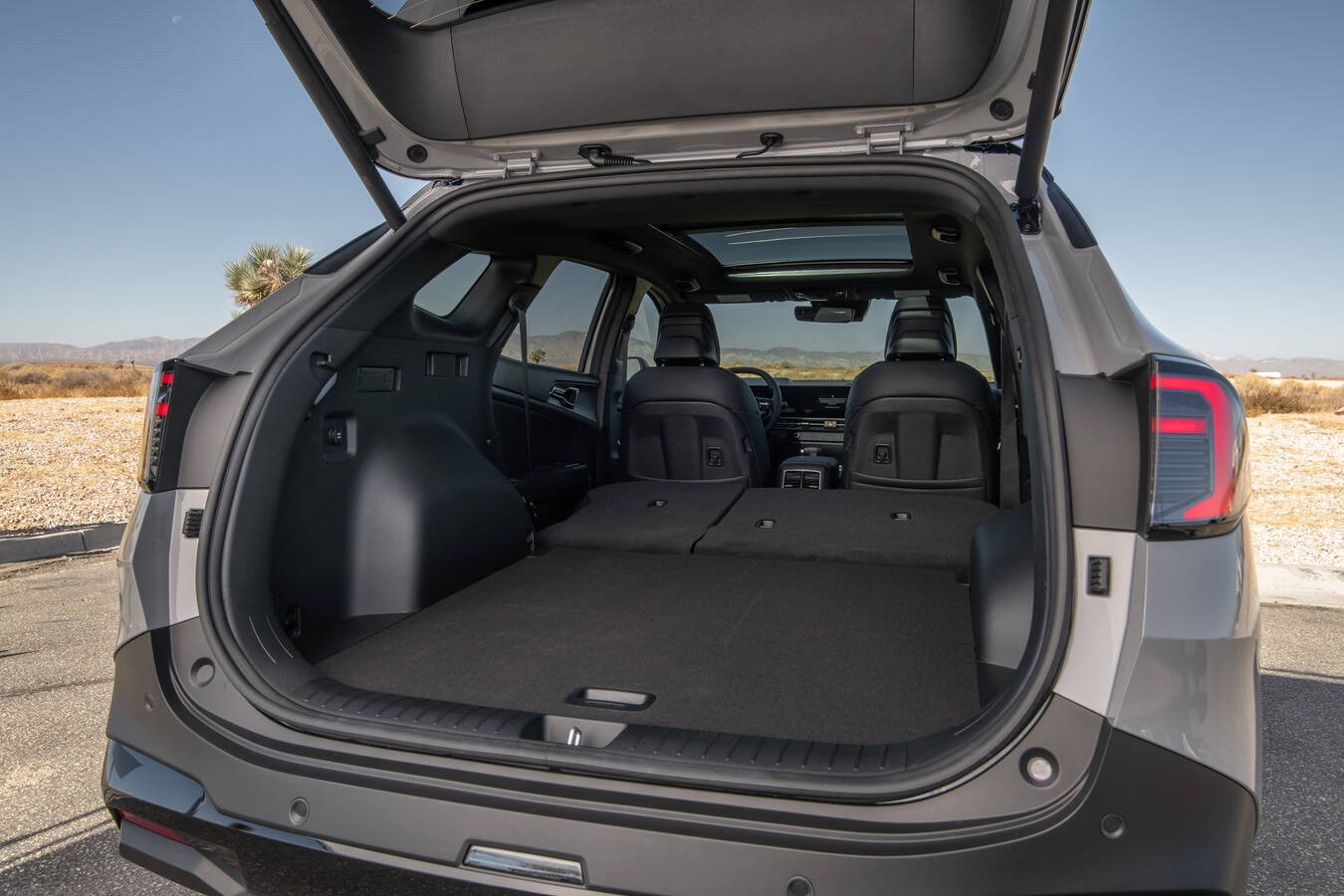
Interior volume often closes the deal for Sportage buyers. It blurs the line with mid-size SUVs, offering best-in-class rear legroom of 41.3 inches, allowing tall adults to sit comfortably behind tall drivers. This makes it a favorite for families with bulky rear-facing car seats. Cargo capacity is equally dominant, providing nearly 40 cubic feet behind the rear seats and 74 cubic feet when folded. It outclasses the Subaru Forester and RAV4 in usable volume. A low load floor and wide liftgate facilitate loading, while a "dual-floor" board adds versatility. The main criticism involves materials; the heavy use of piano black plastic on the center console is prone to scuffing from gear.
6. Ergonomics & Comfort
Ergonomics in the X-Line blend modern brilliance with one debated friction point. Drivers praise the commanding, adjustable position and seat comfort for long trips. The cabin feels airy, with clever storage like retractable cupholders that create a large bin. USB-C ports in front seatbacks provide easy access for rear passengers. However, the switchable touch-bar for climate and media controls receives mixed reviews. Users often accidentally adjust temperature instead of volume, as it lacks the tactile simplicity of physical knobs. Still, the overall comfort is high, with suspension tuned to filter out vibrations on American roads. Forward visibility is good, though thick D-pillars make blind-spot monitoring essential.
7. Interior, Fit & Finish
The "near-premium" fit and finish exceeds the vehicle's price tag. Faux-leather (SynTex) materials and a panoramic curved screen mimic luxury architecture. Soft-touch materials on the upper dash and door panels enhance the sense of quality. However, cost-cutting is evident below the beltline, where hard, scratchy plastics are prevalent. The X-Line’s "hydro-dipped" woodgrain accents receive mixed reactions. A major complaint is the glossy piano black plastic, which quickly attracts dust and scratches. Despite this, build quality is favorable, with tight assembly and tactile, damped switchgear. Rattles are rarely reported early in ownership.
8. Driver & Pass UX
The X-Line's UX is defined by massive digital real estate and snappy software. The high-resolution infotainment system features smartphone-like logic and minimal lag, ranking well against older Toyota or VW systems. However, the multi-mode touch panel for climate and audio complicates things, often requiring weeks of muscle memory to master. A curious quirk is that higher-end screens often require a wired connection for smartphone projection, unlike lower trims with wireless capability. Voice recognition is basic, and Bluetooth is stable. Ultimately, while the UX impresses passengers with high-tech visuals, it can frustrate drivers preferring tactile simplicity.
9. Sound System
Audio satisfaction depends on equipment packages. The standard 6-speaker system is merely "serviceable," delivering clear vocals for podcasts but struggling with musical dynamic range. Bass response is often thin or muddy, making it adequate only for casual listeners. For better fidelity, the Harman Kardon system is recommended. It uses "Clari-Fi" technology and higher power output to provide a punchier low end and wider soundstage. While some find the treble bright, it matches well against premium systems in Mazdas or Toyotas. Music lovers should prioritize the upgrade, as the base system is a compromise.
10. Acceleration
Acceleration is the X-Line's weakest link. Most models use a 2.5-liter engine with 187 horsepower, resulting in a 0-60 mph time in the 9-second range—slower than turbocharged rivals. The engine can feel "labored" during highway merges or steep climbs. While the 8-speed automatic is smoother than competitors' CVTs, it cannot compensate for the lack of low-end torque. Aggressive throttle tuning provides an artificial sense of jumpiness around town that fades at higher speeds. Hybrid variants fix this lethargy with electric torque, but the standard gas engine discourages spirited driving. Summary: the car looks much faster than it is.
11. Braking
The braking performance of the Sportage X-Line is described as competent, safe, and entirely unremarkable—which is exactly what is expected in this segment. In instrumented testing, stopping distances from 60 mph typically land in the 120-125 foot range. This places the Kia squarely in the middle of the pack, performing similarly to the Honda CR-V and Toyota RAV4 but stopping slightly longer than the Mazda CX-5, which often benefits from stickier street tires. The X-Line’s rugged-style all-season tires are occasionally noted as a limiting factor on dry pavement, trading a few feet of stopping distance for light-terrain capability. Subjectively, the brake pedal feel earns praise for its linearity. Unlike some hybrid competitors that suffer from a widely criticized "spongy" or inconsistent transition between regenerative and friction braking, the gas-powered Sportage offers a firm, progressive pedal that is easy to modulate. This makes smooth stops in stop-and-go traffic effortless, preventing the head-bobbing that can annoy passengers.
12. Handling
The Sportage X-Line is engineered for stability rather than excitement. It is a relaxing cruiser on the highway, requiring few corrections to stay centered. Steering is light and numb, favoring isolation over road feedback. This lightness helps in parking lots, where it feels smaller than it is due to a tight turning circle. In corners, it behaves predictably but with noticeable body roll from the comfort-tuned suspension. It encourages a calmer pace compared to the Mazda CX-50. It is a "point and shoot" vehicle with zero drama and zero thrill, which meets the desires of most crossover buyers.
13. Interior Noise
The refinement of the Sportage X-Line is a frequent highlight in reviews, particularly regarding how quiet the cabin remains during steady-state cruising. Kia has utilized effective sound insulation, including acoustic laminated glass on higher trims, to damp out wind noise and the "whoosh" of passing traffic. At 70 mph, the interior is often described as "library quiet" or at least competitive with the most refined vehicles in the class. It feels substantial and insulated, shielding occupants from the outside world effectively. However, the tranquility is situational. The primary disruption comes from the engine bay. As noted in the acceleration section, the 2.5-liter engine has to work hard to move the vehicle, and when the revs climb past 3,000 rpm, a coarse, grainy metallic drone penetrates the cabin.
14. Ride Quality
If handling is the Sportage’s "average" trait, ride quality is its "above average" strength. The suspension tuning leans heavily toward compliance, giving the Sportage a "grown-up" and sophisticated feel. The longer wheelbase of this generation helps it bridge bumps and expansion joints smoothly, minimizing the pitch and dive often felt in shorter wheelbase SUVs. On the highway, it floats comfortably without feeling floaty or nautical—it settles quickly after impacts. In the city, the suspension displays a talent for rounding off the sharp edges of potholes and manhole covers. While you can hear the suspension working, the physical impact transmitted to the spine is muted. The X-Line’s setup absorbs speed bumps with a dull thud rather than a harsh crash, maintaining composure even on broken pavement.
15. Driver Assist Systems
Kia’s "Drive Wise" suite is widely regarded as a top-tier driver assistance system. The X-Line includes Forward Collision-Avoidance, Blind-Spot Collision-Avoidance, and Rear Cross-Traffic Alert. The Highway Driving Assist (HDA) is a standout, combining adaptive cruise with smooth lane-centering that avoids the "ping-pong" effect of older systems. Alerts are clear and not panic-inducing. A favorite feature is the "Blind-Spot View Monitor," which projects side-camera feeds into the gauge cluster during turn signal activation. While some find Lane Keeping Assist intrusive on back roads, the overall consensus is that these systems significantly reduce fatigue on long trips.
16. Mileage
Fuel economy is the area where the gas-powered Sportage X-Line struggles to compete. With its boxy shape, standard all-wheel drive, and naturally aspirated engine, the EPA ratings generally land around 23 mpg city, 26 mpg highway, and 25 mpg combined. In the real world, these numbers hold up during gentle driving but can dip into the low 20s during city driving or heavy traffic. Compared to the gas-powered Toyota RAV4 or Subaru Forester, which can easily average closer to 28-30 mpg, the Sportage lags behind. It is worth noting that while the X-Line trim is undeniably thirsty in its standard gas form, the Sportage Hybrid and Plug-in Hybrid variants offer vastly superior efficiency (often 35-38 mpg combined).
17. Safety
Safety is a strong pillar of the Sportage X-Line’s value proposition. The vehicle benefits from a robust architectural platform (N3) designed for high structural rigidity. While crash test ratings are subject to yearly updates, the Sportage generation has historically performed very well in IIHS and NHTSA testing, typically earning "Top Safety Pick" designations and high star ratings. It generally matches the high bars set by the Subaru Forester and Honda CR-V in occupant protection. What sets the Sportage apart is the democratization of safety tech. Kia does not gatekeep essential safety features behind top-tier luxury trims; the X-Line comes standard with a comprehensive suite of avoidance technologies that are often optional on competitors.
18. Pricing
The 2026 Sportage X-Line is priced to sit in the "sweet spot" of the compact SUV market. Typically starting in the low-to-mid $30,000 range (including destination), it commands a premium over base models but undercuts the fully loaded trims of its rivals. Market analysis suggests that an X-Line offers a feature-per-dollar ratio that is hard to beat. For roughly the same price as a mid-tier Toyota RAV4 or Honda CR-V, the Sportage often includes the larger infotainment screens, synthetic leather upholstery, and heated seats that might require an expensive package on the competition. The pricing strategy is aggressive. By bundling the popular "rugged" look with the most desired tech features at a mid-level price point, Kia targets the heart of the market.
19. Value
The "Value" equation for the Sportage X-Line is two-fold. At the time of purchase, it is arguably the segment leader. The combination of showroom appeal, standard equipment, and the massive panoramic screen makes the car feel like it costs $5,000 more than it actually does. Furthermore, Kia’s legendary 10-year/100,000-mile powertrain warranty provides a financial safety net that Toyota and Honda do not match, a major selling point for buyers planning to keep the car long-term. However, the long-term value regarding resale is a more nuanced story. While Kia’s residuals have improved dramatically, the Toyota RAV4 and Subaru Forester still hold the crown for retaining value. A Sportage X-Line will likely depreciate slightly faster than its Japanese rivals.
20. Reliability
Perceptions of the Sportage X-Line’s reliability are generally positive, though distinct from the "bulletproof" reputation of Toyota. The 2.5-liter engine and 8-speed automatic are viewed as simple, proven mechanical components with low risk of catastrophic failure. The "Theta II" engine issues of the past are largely considered resolved with this newer Smartstream generation of powertrains. The primary reliability concerns found in research focus on the electronics rather than the mechanics. Glitches with the infotainment screens, inconsistent Bluetooth connections, or sensor warnings requiring software updates are the most common complaints. These are typically annoyances rather than strand-you-on-the-road failures.
Frequently asked questions about the 2026 Kia Sportage X-Line
Is the 2026 Kia Sportage X-Line worth buying?
The 2026 Kia Sportage X-Line is the style-forward, adventure-themed anchor of Kia’s compact crossover lineup. It distinguishes itself through a "rugged" aesthetic rather than hardcore off-road hardware. Positioned as a "Goldilocks" option between the conservative Honda CR-V and firm Mazda CX-50, the X-Line bundles standard AWD with unique bumpers, satin chrome accents, and 19-inch wheels for a tougher stance. While more of a "soft-roader" for gravel and snow than rock crawling, it aligns with its target demographic's reality. It scratches that "Subaru-lite" itch without forcing a compromise on
How much does the 2026 Kia Sportage X-Line cost?
The 2026 Kia Sportage X-Line is priced at $28,785 – $39,685 , before destination, options, and incentives.
What is the fuel economy of the 2026 Kia Sportage X-Line?
The 2026 Kia Sportage X-Line returns 26 MPG combined per published EPA figures.
How this review is produced
moblr meta-reviews are generated by aggregating multiple published expert road tests using AI consensus and sentiment analysis, then read and reviewed by a human editor before publication. Category ratings on the −50 to +50 scale show how each vehicle compares to the average for its segment. Learn more about the moblr review process.