2026 Mazda CX-5 2.5 S Select
Consensus at a glance
- Consensus score
- Not yet rated
- Price
- $29,990 – $38,990
- Powertrain
- Gasoline
- Combined fuel economy
- 26 MPG
- Body type
- suv
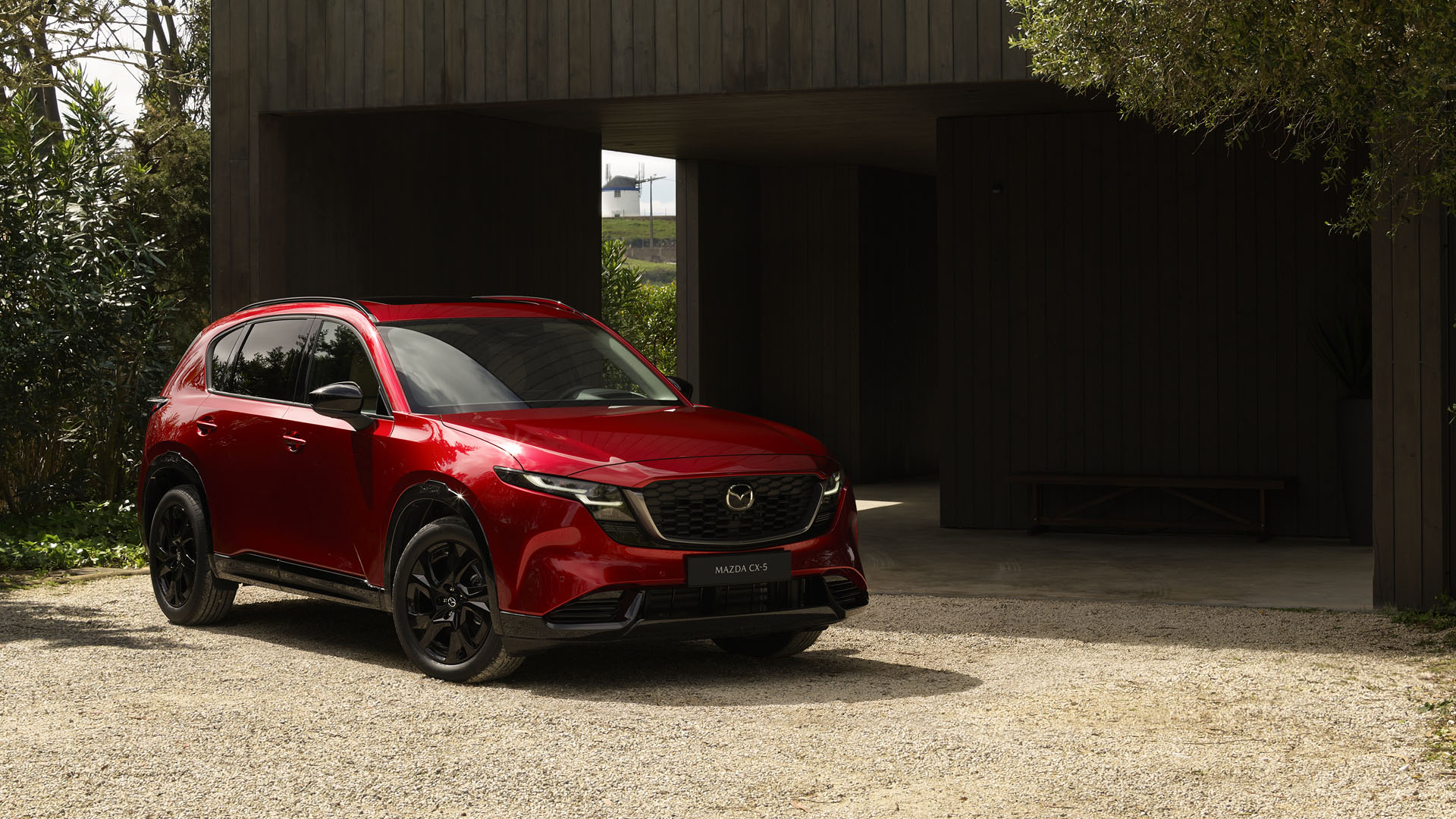
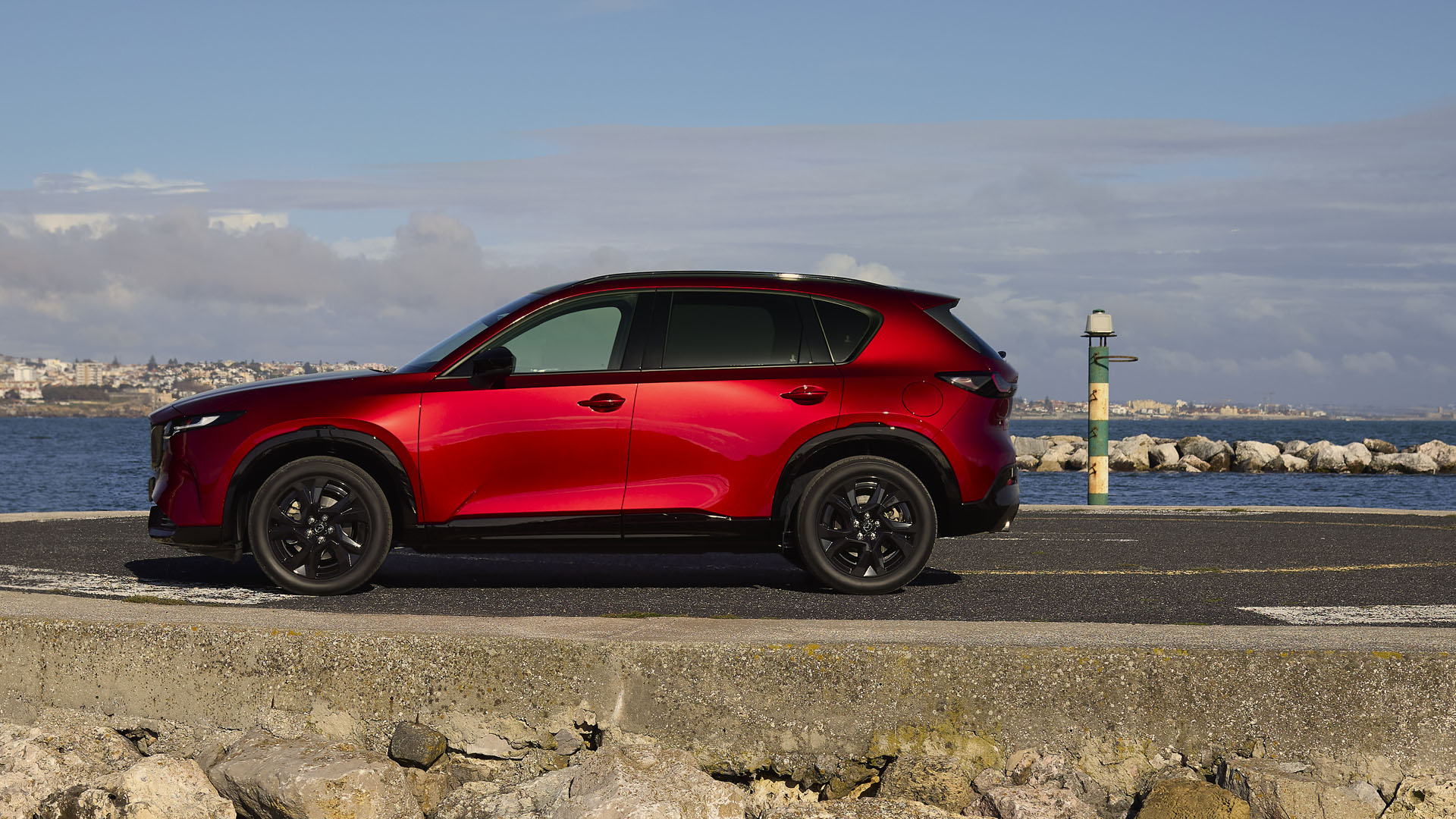
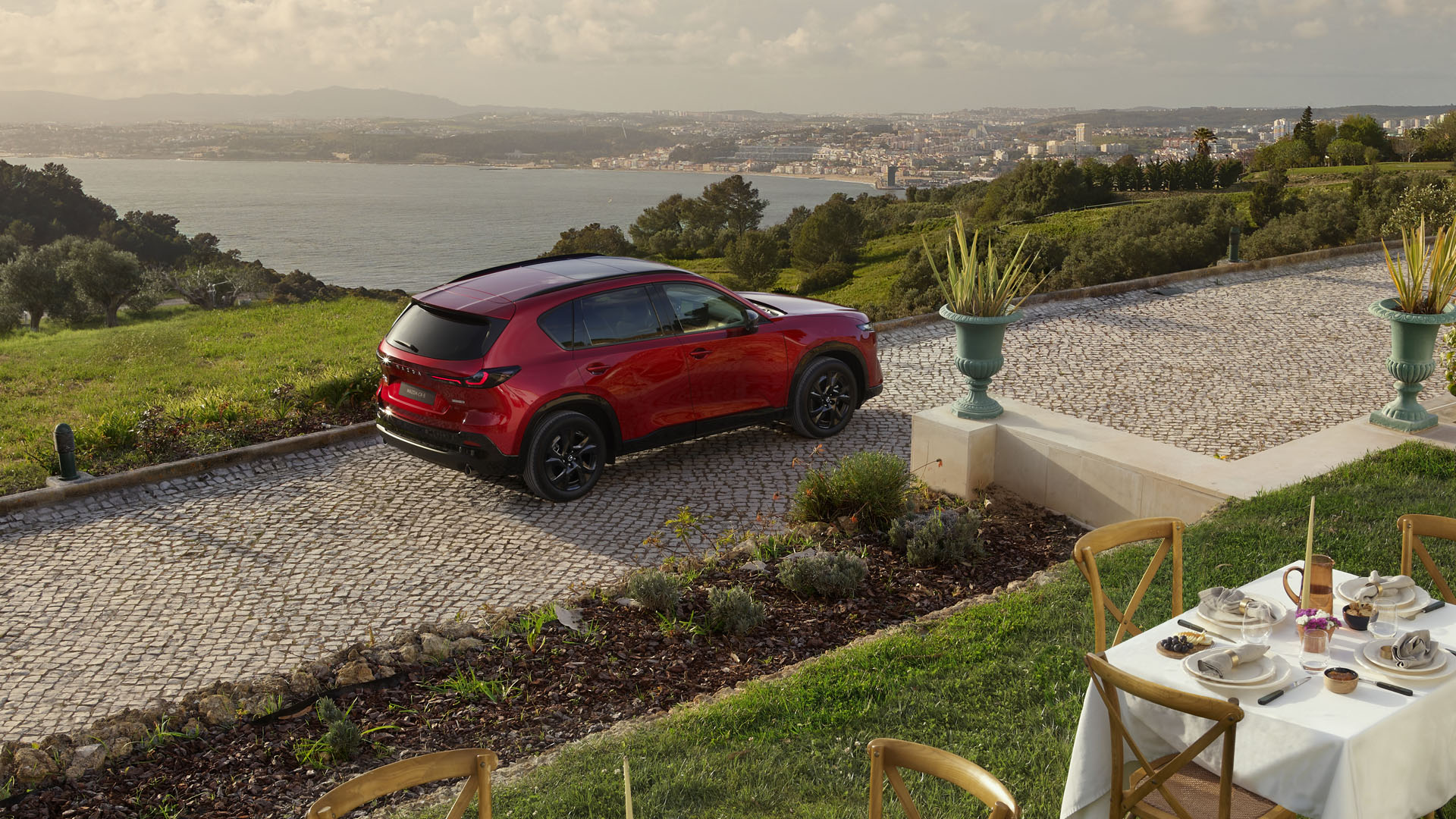
mazda cx-5 2.5 s select
1. Quick Take
The 2026 Mazda CX-5 2.5 S Select is a "bridge" vehicle sitting between mainstream pricing and entry-level luxury. It serves as an antidote to utilitarian rivals, prioritizing chassis refinement, steering feedback, and graceful styling over maximum cargo or screen dominance. The Select trim provides a premium experience—leatherette seats, dual-zone climate, and advanced safety—without the high cost of turbocharged trims. However, its older architecture results in less rear-seat space and average fuel economy. Defined by what it refuses to be, the CX-5 sticks to a geared automatic transmission and physical ergonomics rather than a digital lounge. It is the choice for enthusiasts needing a crossover that feels alive rather than anesthetic.
2. Its Main Competition
The CX-5 competes against titans like the Toyota RAV4 and Honda CR-V. Its differentiator is philosophical; while rivals win on hybrid efficiency and interior volume, the Mazda is the "driver’s choice" with sharper steering and a more expensive feel. Against the rugged Subaru Forester, it is the sleek, urbane alternative. Korean rivals like the Hyundai Tucson offer futuristic tech and massive screens that can make the Mazda’s rotary system feel dated. A key distinction is the powertrain; Mazda’s 6-speed automatic appeals to those who detest the "rubber-band" sensation of CVTs used in many competing models. Ultimately, it opts out of the "biggest box" race to target buyers cross-shopping mainstream SUVs against crossovers like the Audi Q3.
3. Its Buyer’s Demographics
The CX-5 buyer typically has higher education and income levels, often earning between $75,000 and $100,000+. They are "car people who need an SUV," likely transitioning from sedans and reluctant to drive a numb hauler. The buyer base includes younger urban professionals drawn to style and empty-nesters downsizing from larger buses. Because it has a tighter rear seat than class leaders, it is rarely chosen by families with three children or tall teenagers. Instead, it finds a home with smaller households where the rear seat is used occasionally. These sophisticated buyers see it as a "smart splurge" that validates their desire for quality.
4. Design
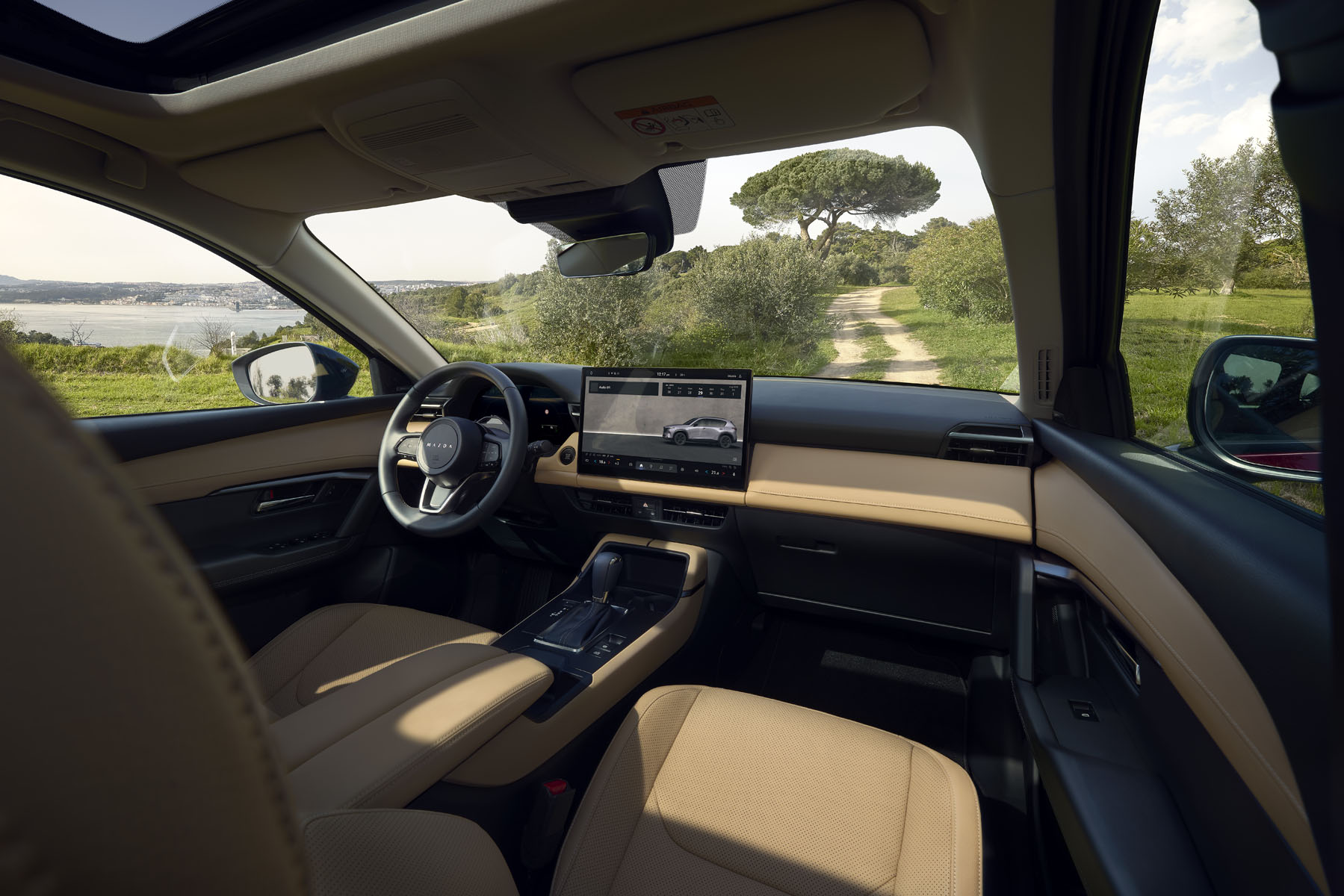
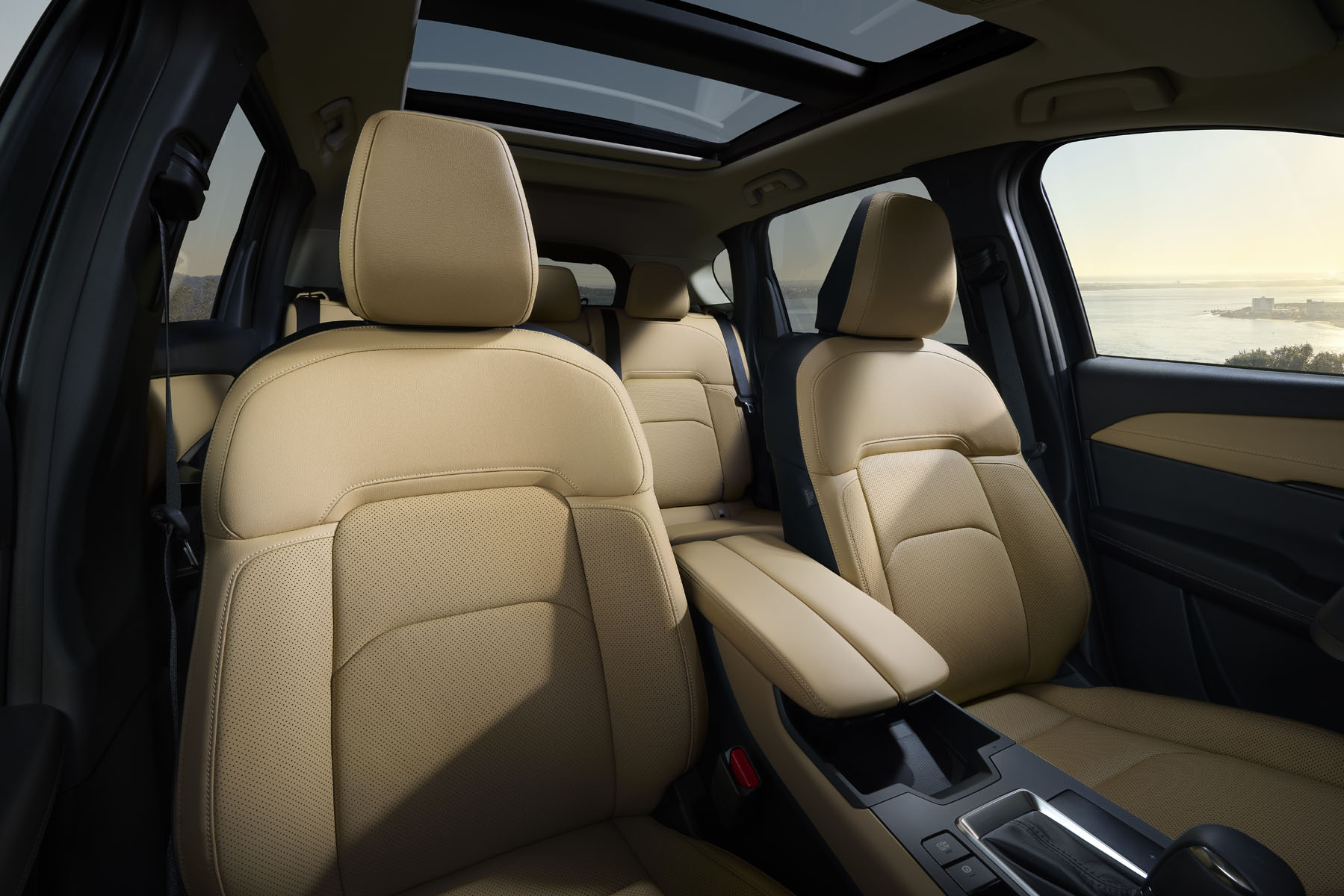
The CX-5’s design is a triumph of restraint, utilizing "Kodo" language to favor fluid sheet metal over the rugged cladding of rivals. The exterior manages light and shadow to mimic far more expensive vehicles. Inside, the cabin rejects "screen overload," featuring a horizontal, driver-centric layout with a high-mounted screen to minimize eye diversion. Materials in the Select trim, such as leatherette upholstery and soft-touch components, are class-benchmarks. While tech-savvy shoppers may find it conservative compared to modern digital cockpits, its target audience appreciates that it looks designed by artists rather than algorithms.
5. Interior & Cargo Room
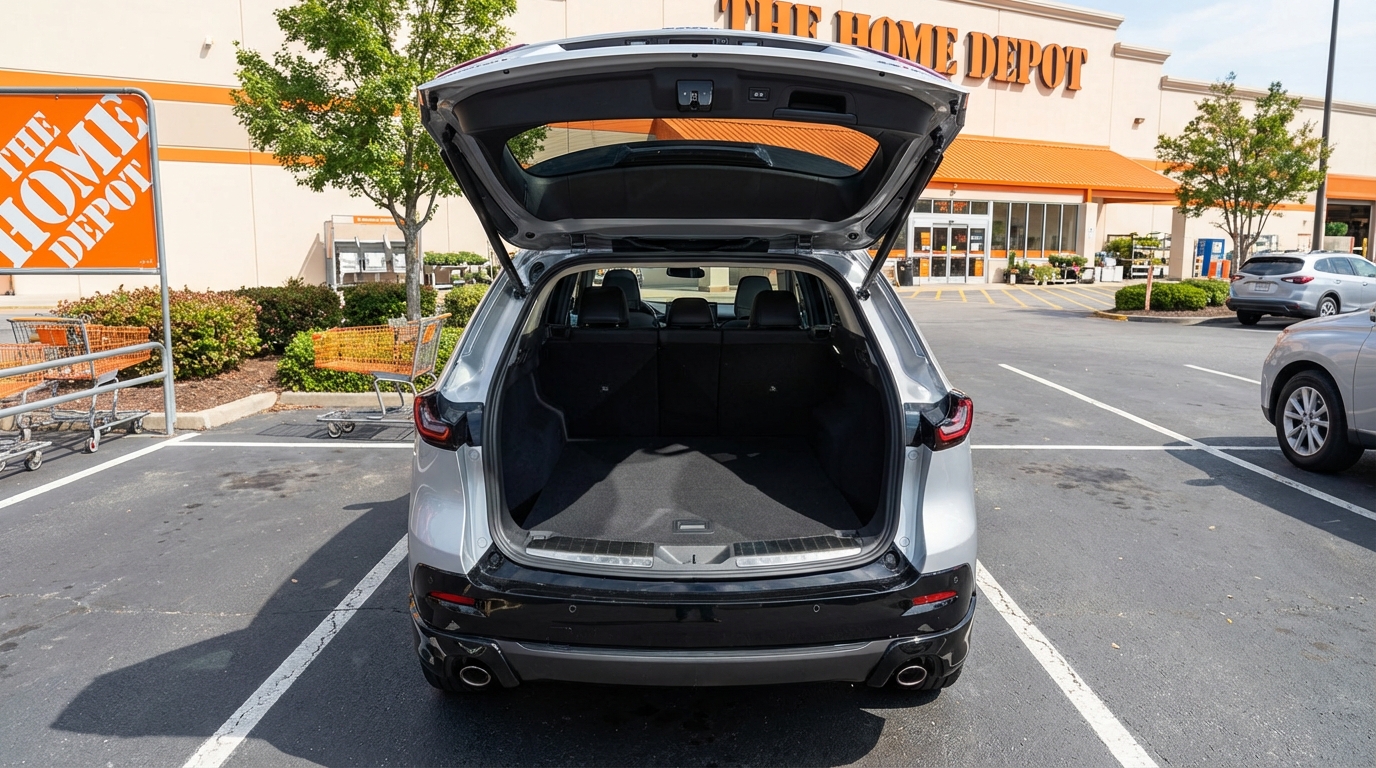
The CX-5’s "driver-first" priority results in a tighter interior behind the B-pillar. Comparative data shows rear legroom falls significantly behind giants like the Honda CR-V and Hyundai Tucson. While two adults fit, a third is tight, and tall passengers may find their knees interacting with front seatbacks. Cargo volume is also lower, with roughly 31 cubic feet behind the seats and 59 cubic feet folded, whereas rivals offer near or above 70 cubic feet. However, the Select trim’s 40/20/40 split-folding rear seats offer better flexibility for long items than the standard 60/40 split in many competitors. It is sufficient for small families but below class leaders in volume.
6. Ergonomics & Comfort
The CX-5's ergonomics are celebrated for maintaining physical controls in a world of touchscreens. The driving position is natural and highly adjustable, accommodating various body types. Standard buttons and dials for HVAC and volume are highlighted as a major usability win for building muscle memory. Front seats provide firm, long-haul support rather than plushness. Conversely, some find the rear cushions flat and the recline angle less generous than in a CR-V. Interior storage is adequate but small, lacking the clever cubbies of family-first designs. Forward visibility is good, though stylish thick C-pillars make the standard blind-spot monitoring system essential.
7. Interior, Fit & Finish
The interior fit and finish is the CX-5's primary competitive moat. Even in the mid-tier Select trim, soft-touch materials, faux-leather stitching, and precise knurled dials create a "near-luxury" impression. It avoids the hollow plastics often found in lower rival trims. Assembly quality is strong, with tight gaps and a general sense of solidity. A common grievance is the extensive use of "Piano Black" plastic, which acts as a magnet for dust and fingerprints. While some harder plastics appear in the lower footwells, the consensus remains that the cabin punches significantly above its price point.
8. Driver & Pass UX (User Experience)
The "Mazda Connect" interface divides safety traditionalists from touchscreen modernists. It uses a rotary commander knob to navigate the 10.25-inch screen, a philosophy designed to reduce distraction by allowing muscle-memory operation. The system is stable and avoids the menu-digging of screen-heavy rivals. However, the lack of touch functionality while driving can make using Apple CarPlay or Android Auto frustrating for the smartphone generation. Panning maps or typing via a dial is universally described as tedious. While the UX effectively minimizes distraction, it requires user "buy-in" for Mazda’s logic, which some passengers find archaic.
9. Sound System
The audio experience in the CX-5 2.5 S Select is "competent middle-of-the-road". The standard 6-speaker setup satisfies casual listeners, offering clarity and vocal intelligibility for spoken-word content like podcasts in a quiet cabin. However, it reveals limitations with complex music, lacking low-end depth and dynamic punch due to the absence of a dedicated subwoofer. At higher volumes, the treble can become brittle, and the soundstage feels narrow compared to premium setups. While not a dealbreaker for a daily commute, it is a tier below the rich audio experiences available elsewhere in the Mazda lineup or in competitors with optional premium audio packages.
10. Acceleration
The naturally aspirated 2.5-liter engine produces 187 horsepower. Its defining trait is linearity; by sticking with a traditional 6-speed automatic instead of a CVT, Mazda created a powertrain that feels direct and predictable. There is no "rubber-band" delay when stepping on the gas. However, with 0-60 mph times in the mid-to-high 8-second range, it is described as merely adequate. It trails the instant torque of hybrid rivals and turbocharged competitors. Highway passing requires planning as the transmission downshifts to extract power, making the engine vocal and strained. It prioritizes smooth progression over the punchy urgency of electrified rivals.
11. Braking
The CX-5’s braking is a strong dynamic component, offering stability and sophisticated pedal feel. Instrumented testing shows stopping distances from 60 mph in the 120–125 foot range, comparable to the CR-V and RAV4. The vehicle earns praise for tracking straight and resisting nose-dive during panic stops. The standout feature is the firm, progressive pedal tuning that mimics European luxury cars. This allows for precise modulation in traffic without the jerkiness found in over-boosted systems. While the pedal may require slightly more physical effort than rivals, the system inspires high confidence, prioritizing consistency and feel over chart-topping metrics.
12. Handling
The CX-5 is widely considered the best-handling vehicle in its segment. Its secret is precise, communicative steering that offers feedback virtually extinct in this class. It tracks beautifully on highways and feels agile on back roads, shrinking around the driver. Standard G-Vectoring Control Plus sharpens response and reduces body roll by adjusting engine torque. While it still leans in corners, the motion is controlled and progressive. In the city, it remains nimble, though some find the steering heavier at low speeds compared to the light feel of a Nissan Rogue or RAV4. It successfully brings joy to the daily commute.
13. Interior Noise
At steady highway speeds, the CX-5’s cabin is one of the quietest in its class. Mazda’s use of sound-deadening, acoustic glass, and triple-sealed doors creates a hushed atmosphere even at 75 mph. Wind noise and tire roar are well-suppressed, providing a vault-like quality. However, the narrative shifts during hard acceleration; the non-turbo engine becomes vocal and coarse as it revs high for power. While generally effective, rough pavement can increase road noise, especially with 19-inch wheels. The consensus is clear: it whispers when driven gently, but it grumbles when pushed.
14. Ride Quality
The CX-5 offers a "firm but sophisticated" ride that rejects the floaty tuning of the Honda CR-V or Subaru Forester. Mazda prioritizes body control; on the freeway, the car feels planted and settles instantly after dips. In the city, this firmness means potholes and expansion joints are felt more distinctively than in softer rivals. However, dampers effectively round off the sharp edges of impacts into a dull thud rather than a harsh crash. This deliberate trade-off sacrifices some isolation for driver connection. Overall, the ride feels expensive and substantial, inspiring confidence at speed.
15. Driver Assist Systems
The "i-Activsense" suite is a standard, comprehensive safety package including Adaptive Cruise Control (ACC) and Blind Spot Monitoring (BSM). ACC is praised for smooth operation in stop-and-go traffic. BSM and Rear Cross-Traffic alerts are essential due to the car's stylish but thick C-pillars. Notably, Mazda’s Lane Keep Assist is "reactive" rather than "proactive"; it nudges you back if you cross a line but does not aggressively steer or center the car like Hyundai's system. Enthusiasts prefer this as it doesn't fight the driver’s hands, though tech-focused buyers may find it a generation behind semi-autonomous rivals.
16. Mileage
In a segment dominated by hybrids, the CX-5’s fuel economy feels like a relic. With a non-hybrid 2.5-liter engine, EPA estimates sit at 24 mpg city and 30 mpg highway. While acceptable for a traditional crossover, it trails rivals like the RAV4 Hybrid, which offers 50% better city mileage. Mazda sacrifices efficiency for the driving feel of a geared transmission. Real-world reports suggest highway numbers are achievable, but city efficiency drops quickly in stop-and-go traffic. If efficiency is the priority, the CX-5 is objectively the wrong choice.
17. Safety
Safety is a pillar of the CX-5’s reputation, with consistent Top Safety Pick+ honors and 5-star ratings. Mazda does not gatekeep safety tech in the Select trim; every buyer gets the full i-Activsense suite, including pedestrian detection and smart braking support. This democratization is a major selling point for budget-conscious families. The structural integrity is highly rated, and standard AWD adds weather stability. The only drawback is visibility, as stylish thick rear pillars force heavy reliance on cameras and electronic monitors compared to a fishbowl-like Subaru Forester.
18. Pricing
The 2026 CX-5 2.5 S Select sits in a "value sweet spot" with a price in the low-to-mid $30,000s. While not the cheapest entry SUV, it offers superior feature-per-dollar value. The Select trim includes items like dual-zone climate, power seats, and leatherette upholstery that often require expensive packages on rivals. When price-matching a Toyota RAV4 or Honda CR-V with equivalent equipment, the CX-5 often undercuts them. The narrative is that you are paying a mainstream price for a "near-luxury" product with high-end interior materials and paint finishes.
19. Value
Value for the CX-5 is bifurcated: it scores poorly for space and efficiency against the Honda CR-V, but is unbeaten for quality and experience. Resale value is solid; while it may slightly trail the Toyota RAV4, it holds value significantly better than American or European competitors. The Select trim is the value peak, providing the model's signature visual and tactile richness without the diminishing returns of top-tier trims. For the buyer calculating cost-per-mile over ten years, a hybrid is better, but the CX-5 is the superior "smart splurge".
20. Reliability
The reliability outlook is excellent due to mechanical maturity. It relies on a naturally aspirated engine and 6-speed automatic refined for over a decade, avoiding the risks of turbos or CVTs. The CX-5 consistently ranks at the top of surveys, trading blows with Toyota. Widespread mechanical recalls are rare. Complaints focus on peripheral issues like infotainment glitches, battery drain, or thin paint. For a "buy it and keep it for 10 years" owner, it is one of the lowest-risk investments in the market.
Frequently asked questions about the 2026 Mazda CX-5 2.5 S Select
Is the 2026 Mazda CX-5 2.5 S Select worth buying?
The 2026 Mazda CX-5 2.5 S Select is a "bridge" vehicle sitting between mainstream pricing and entry-level luxury. It serves as an antidote to utilitarian rivals, prioritizing chassis refinement, steering feedback, and graceful styling over maximum cargo or screen dominance. The Select trim provides a premium experience—leatherette seats, dual-zone climate, and advanced safety—without the high cost of turbocharged trims. However, its older architecture results in less rear-seat space and average fuel economy. Defined by what it refuses to be, the CX-5 sticks to a geared automatic transmission a
How much does the 2026 Mazda CX-5 2.5 S Select cost?
The 2026 Mazda CX-5 2.5 S Select is priced at $29,990 – $38,990 , before destination, options, and incentives.
What is the fuel economy of the 2026 Mazda CX-5 2.5 S Select?
The 2026 Mazda CX-5 2.5 S Select returns 26 MPG combined per published EPA figures.
How this review is produced
moblr meta-reviews are generated by aggregating multiple published expert road tests using AI consensus and sentiment analysis, then read and reviewed by a human editor before publication. Category ratings on the −50 to +50 scale show how each vehicle compares to the average for its segment. Learn more about the moblr review process.