2026 Nissan Sentra SV
Consensus at a glance
- Consensus score
- Not yet rated
- Price
- $22,600 – $27,990
- Powertrain
- Gasoline
- Combined fuel economy
- 33 MPG
- Body type
- sedan
Quick Take
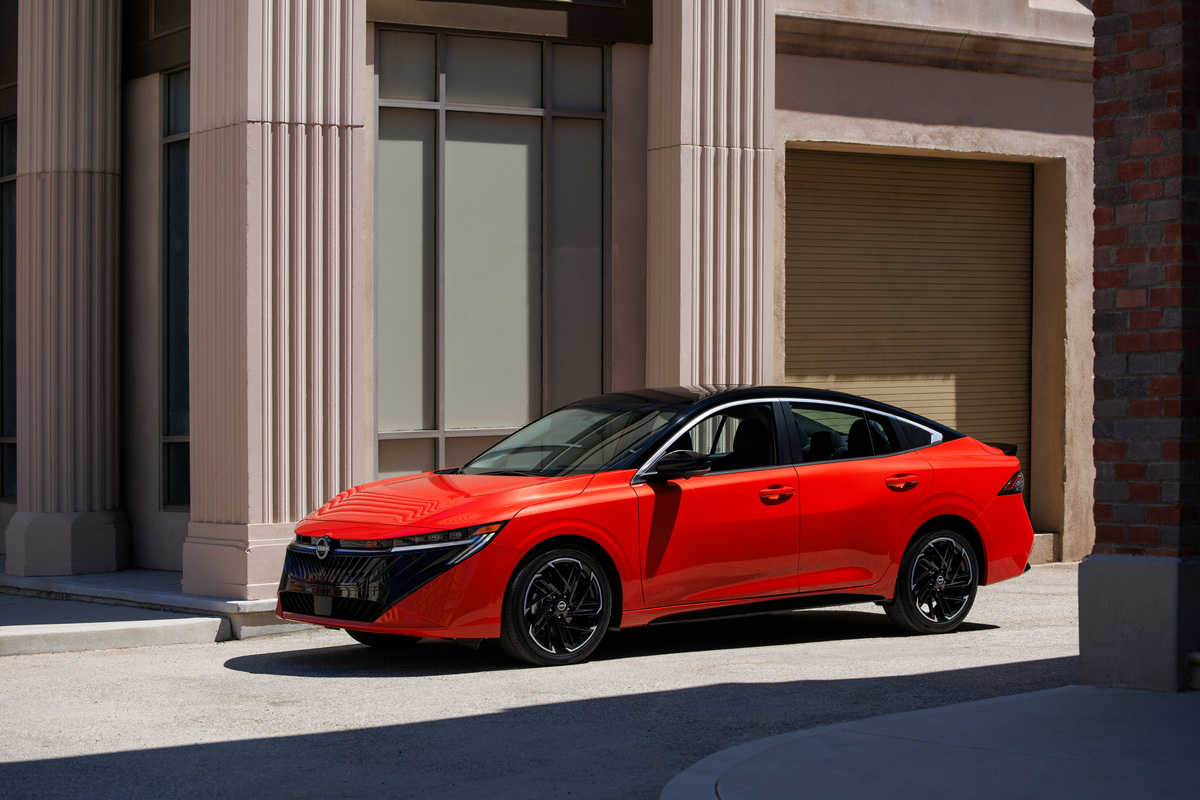
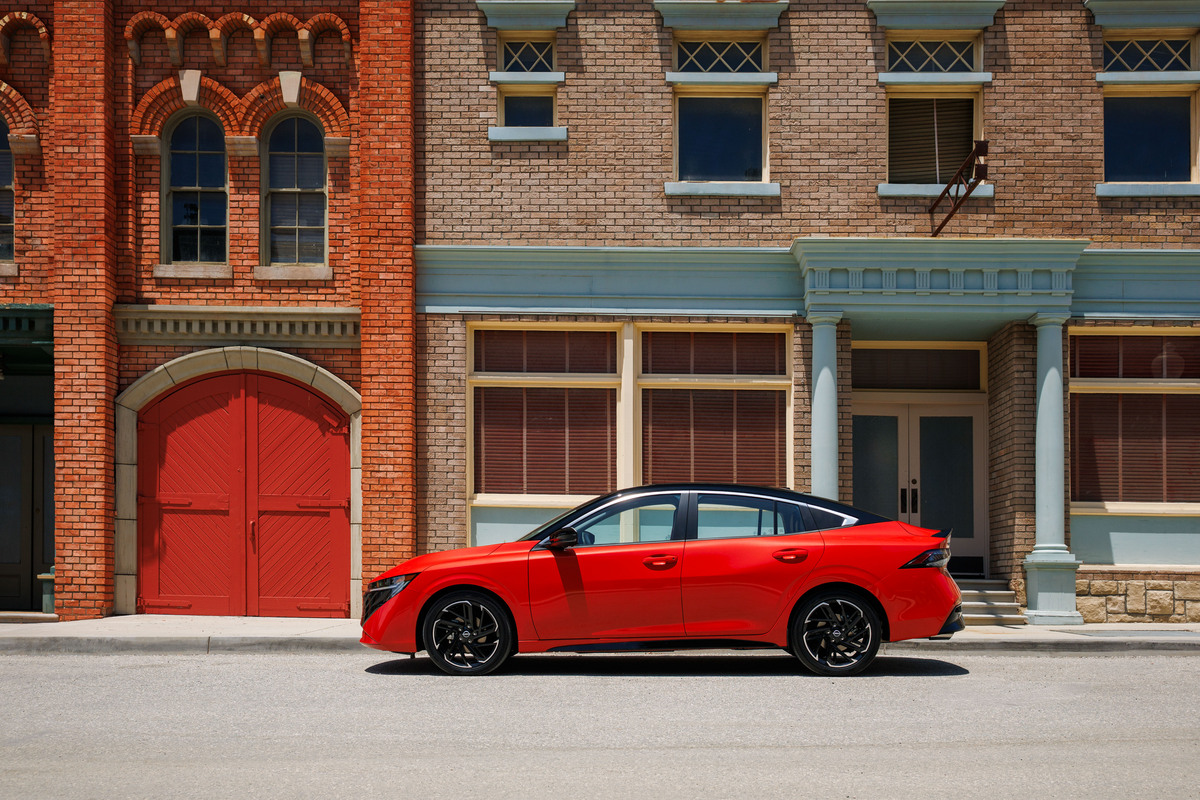
The 2026 Nissan Sentra SV is a mainstream compact sedan that functions as the high-value, mid-level trim in the lineup. It prioritizes everyday practicality, a smooth ride, and passenger comfort over high-performance driving dynamics. Its defining characteristic within the segment is an interior that feels more premium and upscale than its price tag would suggest, coupled with a calm and relaxed driving demeanor. While competitors may offer more power or sportier handling, the Sentra SV focuses on being a sensible and comfortable daily commuter. The primary trade-off is its acceleration, which is widely considered adequate for normal driving but can feel leisurely or uninspired during highway passing maneuvers. This positions the car as a strong choice for value-conscious buyers who want a well-equipped, comfortable, and handsome sedan for their daily transportation needs.
Its Main Competition
The Sentra SV faces a roster of formidable competitors, including the Honda Civic, Toyota Corolla, Hyundai Elantra, Kia Forte, and Mazda3. A key differentiator is its powertrain; while many rivals offer efficient hybrid options or punchy turbocharged engines, the Sentra sticks to a single, naturally-aspirated four-cylinder focused on reliability and smoothness. The Sentra also distinguishes itself with a ride quality that is notably softer and more compliant than the sportier setups found in the Civic and Mazda3. Inside, its cabin is often perceived as more upscale for the price, and its exterior styling is viewed as handsome and less polarizing than the aggressive designs of the Elantra or Civic. It carves out its niche by delivering superior daily comfort and a near-premium feel rather than chasing performance benchmarks.
Its Buyer's Demographics
The typical buyer for the 2026 Sentra SV is pragmatic, value-oriented, and prioritizes comfort and reliability over performance or brand prestige. The demographic includes a mix of younger, first-time new-car buyers in their 20s and 30s, as well as older drivers in their 50s and beyond who are downsizing to a comfortable and efficient sedan. These buyers typically fall within a middle-class income bracket and are often sensitive to the total cost of ownership. The vehicle appeals strongly to daily commuters and small households, including singles, couples, and families with one or two young children. The SV trim specifically attracts those who want a good set of modern features and comforts without stretching their budget to top-tier trims, making it the quintessential choice for sensible shoppers.
Design
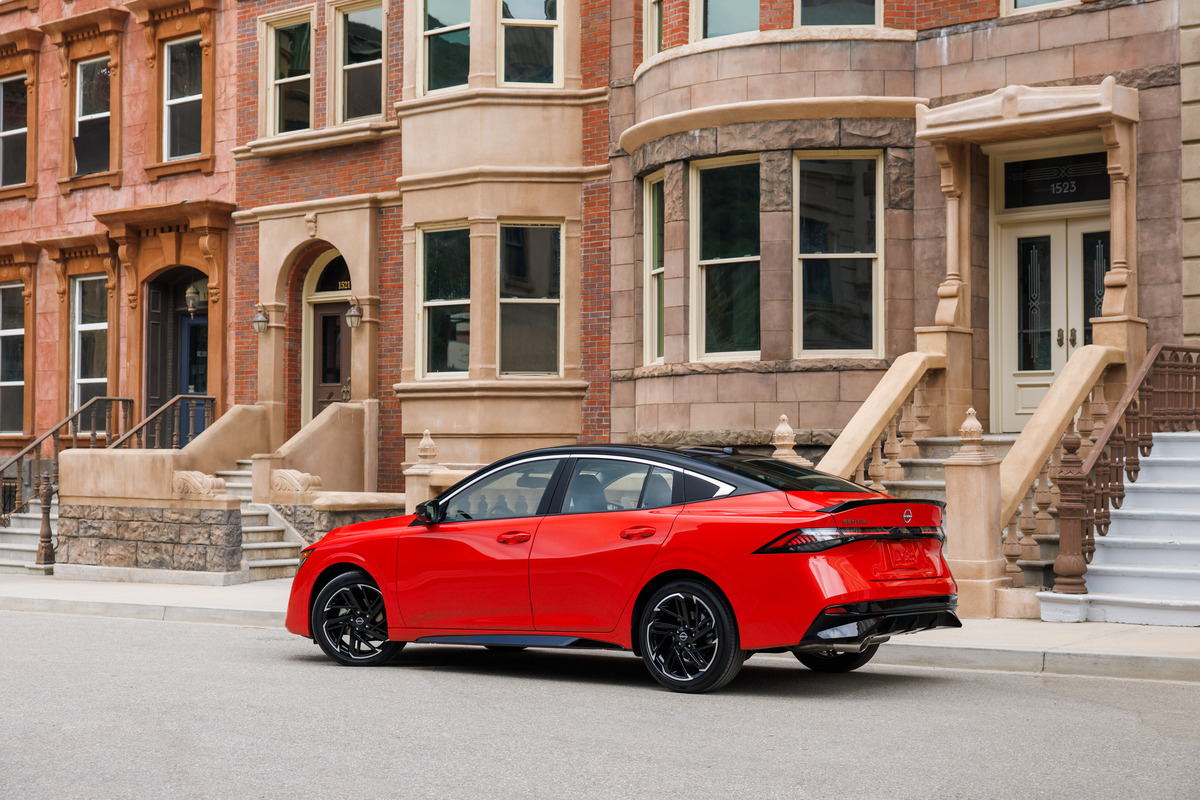
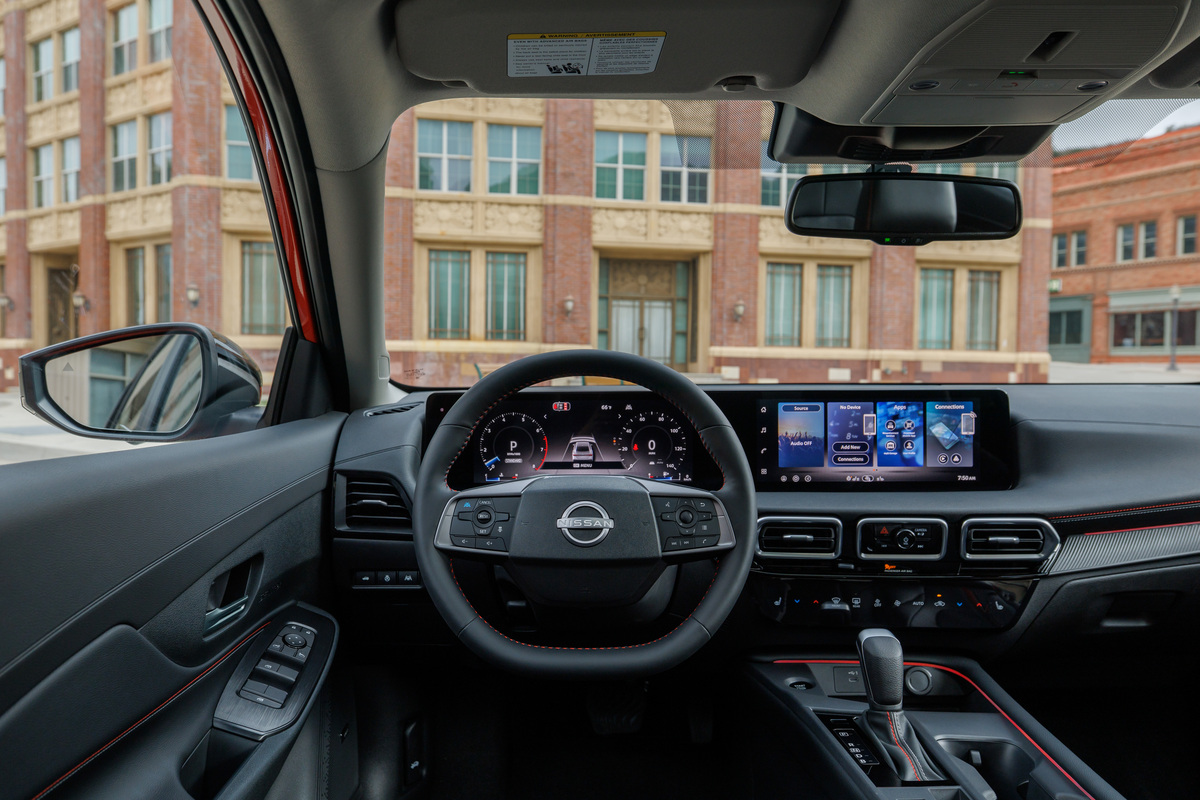
The design of the 2026 Sentra SV is one of its strongest attributes, striking a compelling balance between modern aesthetics and an upscale presence. The exterior features Nissan’s signature V-Motion grille and sleek proportions that give it an athletic look without resorting to the polarizing, aggressive lines of some competitors. Inside, the cabin is a highlight, often praised for feeling more premium than its price suggests with a driver-focused layout. The design thoughtfully incorporates soft-touch materials on key surfaces and features praised details like the trio of circular air vents in the center stack. While harder plastics are present in lower areas, as is common for the class, the overall cohesive and refined design makes the Sentra look and feel more expensive than it is.
Interior & cargo room
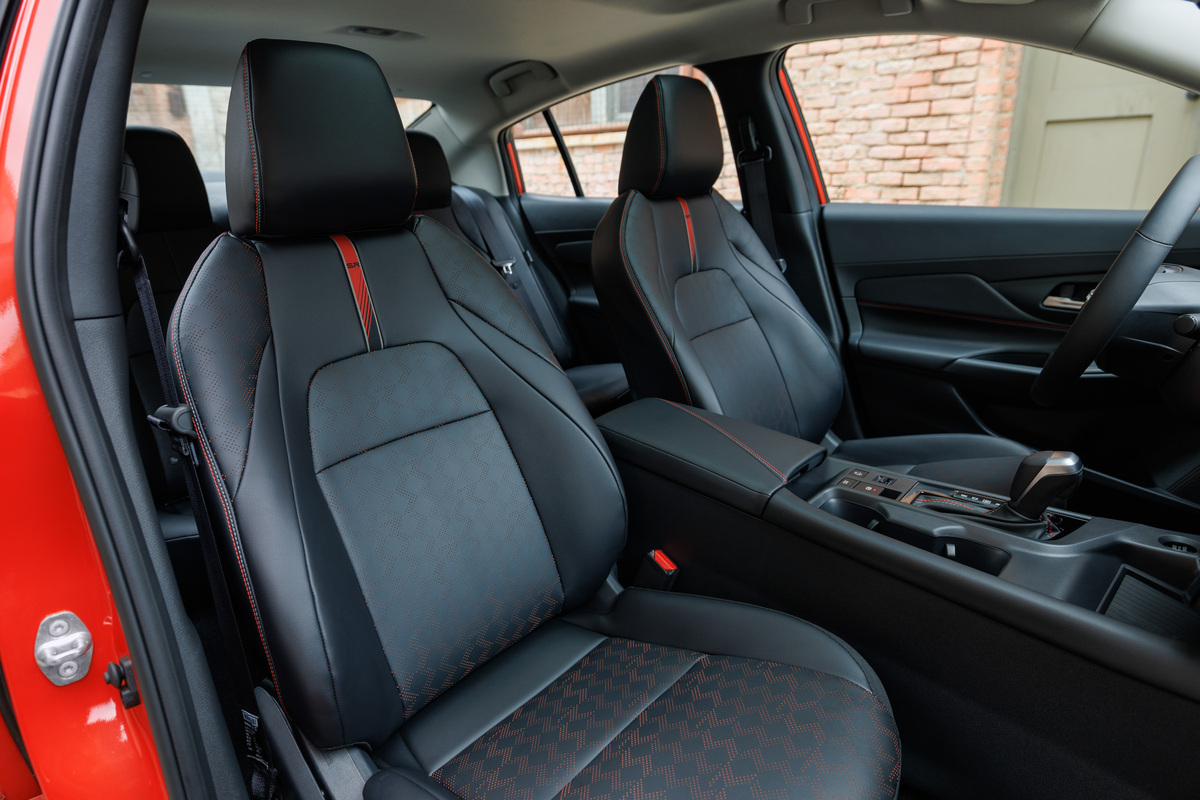
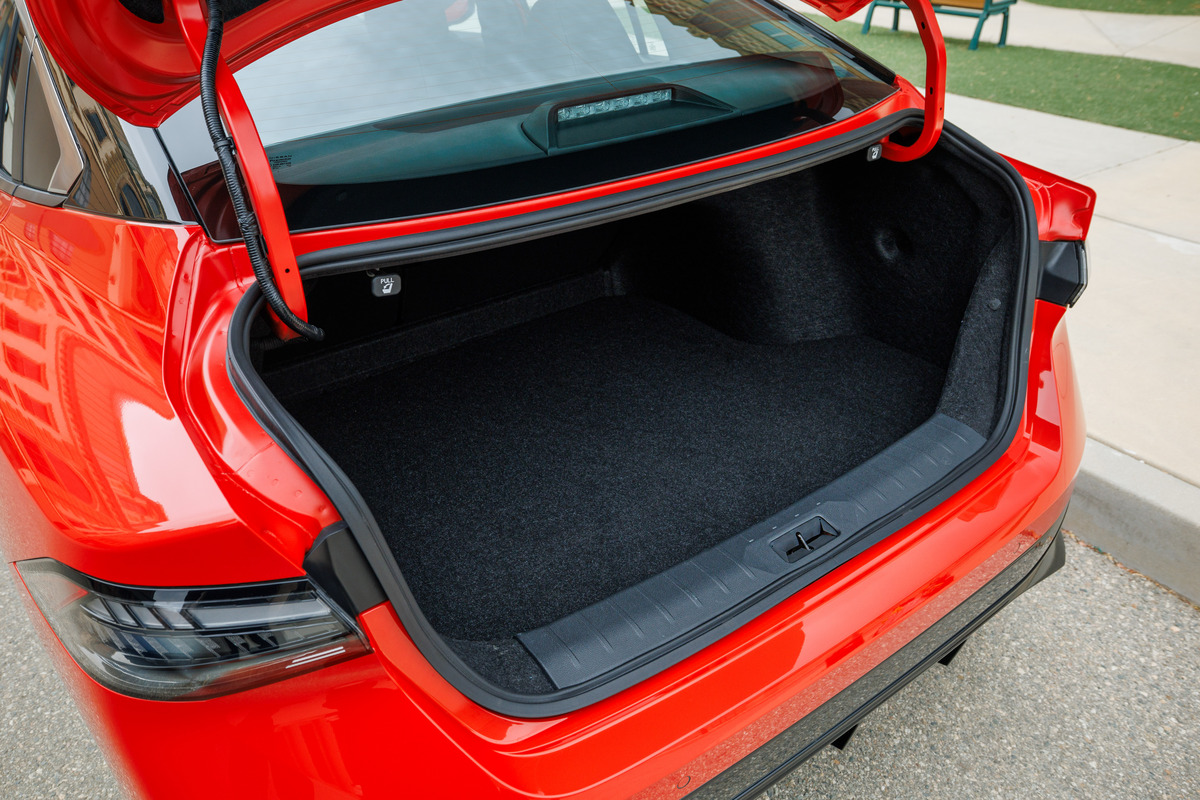
The front cabin of the 2026 Sentra SV is widely considered spacious and accommodating, providing ample headroom and legroom for most adults. In the back, the passenger area is adequate for children and average-sized adults on shorter trips, but its rear legroom is not class-leading, and some rivals like the Honda Civic offer a more expansive feel. Furthermore, the car’s sleek, sloping roofline can reduce headroom for taller rear passengers. The trunk, however, is a strong point, offering a competitive cargo capacity of around 14.3 cubic feet. This is more than enough space for daily errands, grocery runs, or luggage for a weekend trip, and it compares favorably against many key competitors in the compact sedan segment.
Ergonomics & comfort
The Sentra SV’s cabin is designed for low-effort, intuitive use, earning praise for its retention of physical knobs and buttons for climate and audio controls, which minimizes distraction. Front seat comfort is a significant highlight, with supportive cushioning that makes long commutes and daily drives pleasant. Outward visibility is a mixed bag; the view forward is excellent thanks to thin A-pillars, but thick rear C-pillars create noticeable blind spots that can hinder over-the-shoulder checks and reversing. This limitation is partly offset by standard driver aids. The cabin also provides practical storage compartments and a competitive number of USB ports to keep devices charged, rounding out a well-thought-out and comfortable ergonomic experience for front occupants.
Interior, fit & finish
The interior of the 2026 Sentra SV successfully creates an upmarket impression for an economy car price point. This is achieved with a generous application of soft-touch materials on the upper dashboard and door panels, which feel pleasant to the touch. In contrast, the lower portions of the cabin utilize harder, more scratch-prone plastics, a common cost-saving measure in this segment. Overall fit and finish are consistently rated as good, with tight and uniform panel gaps that contribute to a solid, well-assembled feel. A frequently noted downside is the use of glossy piano-black trim on the center console, which looks sharp when new but is a magnet for fingerprints, dust, and fine scratches, requiring frequent cleaning to maintain its appearance.
Driver & Pass UX
The user experience in the Sentra SV is built around an 8-inch touchscreen that is straightforward and easy to navigate. Its greatest usability strength is the combination of this screen with physical knobs for volume, tuning, and climate control, which makes adjusting core functions simple and safe while driving. The system's touch response is consistently described as average for the class—it’s reliable but lacks the instantaneous snap of higher-end systems. Bluetooth pairing is a painless and reliable process for hands-free calls and audio streaming. While the built-in system isn't the most feature-rich, it performs its daily duties consistently and is best supplemented by smartphone projection for more advanced tasks like voice commands or navigation.
Sound system
The standard six-speaker audio system in the 2026 Sentra SV performs capably for everyday listening and is particularly adept with spoken-word content. Thanks to strong midrange clarity, podcasts, audiobooks, and talk radio come through with excellent vocal intelligibility. When playing music, the system is considered average for the compact class, providing a pleasant and balanced sound at moderate volumes. Its primary limitation is a lack of deep bass response, which becomes apparent in hip-hop or electronic music, making low-end frequencies sound somewhat flat or hollow. At higher volumes, the sound can also begin to feel strained, a common trait for standard, non-premium audio systems in this vehicle category.
Acceleration
Powering the 2026 Sentra SV is a 2.0-liter four-cylinder engine paired with a continuously variable transmission (CVT), a combination that prioritizes fuel efficiency and smoothness over speed. For daily commuting and city driving, the acceleration is perfectly adequate and responsive enough from a stop. However, the powertrain feels less energetic during high-demand situations like merging onto a fast-moving highway or executing a quick pass. Under hard acceleration, the CVT tends to hold the engine at high RPMs, which produces a noticeable and often-criticized droning sound that permeates the cabin. With a 0-60 mph time in the nine-second range, it is not engineered to provide thrills but rather competent, predictable motion.
Braking
The Sentra SV’s braking performance is competent and lands squarely in the average range for the compact sedan class. Its 60-0 mph stopping distances are competitive, typically measuring in the 123 to 130-foot range under dry conditions. The brake pedal feel is calibrated for comfort, with a soft initial bite that allows for very smooth, easy stops in daily traffic. As more pressure is applied, the pedal firms up in a progressive and predictable manner, inspiring confidence. While it provides stable and controlled stopping power for everyday use, the system is not tuned for sporty, aggressive driving and lacks the sharp, immediate response found in some more performance-oriented competitors.
Handling
The handling dynamics of the 2026 Sentra SV are defined by comfort, stability, and predictability. The steering is light and requires minimal effort, which reduces driver fatigue on long highway cruises and makes maneuvering in tight city environments an easy task. While the light steering lacks the sharp feedback praised by enthusiasts, it is precise and instills confidence. On the highway, the car tracks straight and feels composed. During cornering, there is a moderate and average amount of body roll, but the chassis remains controlled and never feels unsettled. A good turning circle further enhances its urban agility, making this a pleasant and undemanding car to pilot through the daily grind rather than a sporty canyon carver.
Interior noise
The acoustic environment inside the Sentra SV varies significantly with driving conditions. The most prominent sound is the engine’s loud drone, which becomes quite noticeable inside the cabin during hard acceleration. However, once the car reaches a steady cruising speed on the highway, the engine settles down to a low RPM, and the interior becomes pleasantly quiet. At speed, wind and road noise are present but are generally considered moderate and average for the compact segment. Tire roar can become more pronounced on coarse or poorly maintained asphalt surfaces. The cabin is quiet enough for comfortable conversation and daily commuting, though it does not set a new benchmark for serenity in its class.
Ride quality
Comfortable ride quality is a standout attribute of the 2026 Sentra SV. On the freeway, its suspension delivers a composed and plush feel, effectively smoothing over expansion joints and pavement imperfections to create a relaxed, gliding sensation that punches above its class. This compliance continues in city driving, where the suspension does an admirable job of absorbing the harsh impacts from potholes and broken pavement, protecting occupants from jarring jolts. The tuning clearly prioritizes passenger comfort over athletic firmness, making it one of the most forgiving rides in the segment for dealing with real-world road conditions. While its behavior over larger speed bumps is considered average, the overall ride is exceptionally agreeable for a daily driver.
Driver assist systems
The 2026 Sentra SV is well-equipped with Nissan’s Safety Shield 360 suite, a collection of driver aids that adds significant value. This package typically includes automatic emergency braking, blind-spot monitoring, and rear cross-traffic alert. The adaptive cruise control functions smoothly in traffic and reduces driver fatigue, though it can feel a bit conservative in its spacing. The lane-keeping assist system provides gentle steering nudges to help the car stay centered, acting more as a helpful guide rather than a hands-free system. These features work together to provide a reassuring safety net for daily driving and are generally unobtrusive in their operation, making for a confident and convenient experience.
Mileage
As a gasoline-only vehicle, the 2026 Sentra SV offers good fuel economy that is competitive among its non-hybrid peers. Official EPA estimates place it around 29-30 mpg in the city and an impressive 39-40 mpg on the highway, with a combined rating in the low-to-mid 30s. Its excellent highway efficiency makes it a cost-effective choice for long-distance commuters. While these figures are strong for a conventional gas-powered car, the Sentra cannot match the superior fuel-sipping capabilities of rivals that offer dedicated hybrid powertrains, such as the Toyota Corolla Hybrid. For buyers not ready to switch to a hybrid, the Sentra SV stands as an efficient and sensible option in the compact sedan class.
Safety
Safety is a strong suit for the 2026 Sentra SV, anchored by its comprehensive suite of standard active-safety technologies known as Nissan Safety Shield 360. Beyond the advanced driver aids, the vehicle is built on a rigid chassis that performs well in crash tests. It has earned excellent safety ratings, including a 5-Star overall score from the National Highway Traffic Safety Administration (NHTSA) and a Top Safety Pick designation from the Insurance Institute for Highway Safety (IIHS). This combination of strong passive safety from its structure and proactive active safety from its electronic systems makes the Sentra a very secure vehicle, with crash-test performance that is highly competitive with other safety leaders in the compact class.
Pricing
The 2026 Nissan Sentra SV is positioned as a high-value proposition, with pricing that typically falls in the lower-to-middle range of the competitive compact sedan market. It often undercuts key rivals like the Honda Civic and Toyota Corolla when comparably equipped. The SV trim is widely regarded as the "sweet spot" of the lineup and is the most popular choice for buyers. It achieves this by bundling a desirable mix of features—including upgraded infotainment, more driver-assistance technologies, and alloy wheels—for a relatively small price increase over the spartan base model. This strategy provides a feature-rich experience without forcing buyers into the higher costs associated with the top-level trims.
Value
The value proposition of the 2026 Sentra SV is a tale of two distinct strengths. Its long-term resale value is considered average for the segment, typically trailing the rock-solid depreciation figures of the Honda Civic and Toyota Corolla. However, its time-of-purchase value is exceptional. The Sentra SV offers a robust package of comfort features, modern technology, and safety systems for a lower upfront price than many of its direct competitors. This strong initial value translates into tangible benefits for the owner, including lower monthly payments and potentially cheaper insurance costs, making it a financially savvy choice for budget-conscious shoppers prioritizing immediate affordability over maximum long-term equity.
Reliability
The 2026 Sentra SV offers reliability that is considered average for its class, slotting just behind the segment's benchmarks for dependability, the Toyota Corolla and Honda Civic. Its powertrain features a durable 2.0-liter naturally aspirated engine, which avoids the potential long-term complexities of a turbocharger. The continuously variable transmission (CVT), a component that caused issues in much older Nissan models, has been significantly improved in recent years and is now considered far more robust. While it may not share the near-bulletproof reputation of its main Japanese rivals, the Sentra is a mechanically sound vehicle that provides dependable daily transportation, especially when manufacturer-recommended maintenance schedules are followed.
Frequently asked questions about the 2026 Nissan Sentra SV
Is the 2026 Nissan Sentra SV worth buying?
The 2026 Nissan Sentra SV is a mainstream compact sedan that functions as the high-value, mid-level trim in the lineup. It prioritizes everyday practicality, a smooth ride, and passenger comfort over high-performance driving dynamics. Its defining characteristic within the segment is an interior that feels more premium and upscale than its price tag would suggest, coupled with a calm and relaxed driving demeanor. While competitors may offer more power or sportier handling, the Sentra SV focuses on being a sensible and comfortable daily commuter. The primary trade-off is its acceleration, which
How much does the 2026 Nissan Sentra SV cost?
The 2026 Nissan Sentra SV is priced at $22,600 – $27,990, before destination, options, and incentives.
What is the fuel economy of the 2026 Nissan Sentra SV?
The 2026 Nissan Sentra SV returns 33 MPG combined per published EPA figures.
How this review is produced
moblr meta-reviews are generated by aggregating multiple published expert road tests using AI consensus and sentiment analysis, then read and reviewed by a human editor before publication. Category ratings on the −50 to +50 scale show how each vehicle compares to the average for its segment. Learn more about the moblr review process.