2026 Subaru Outback Premium
Consensus at a glance
- Consensus score
- Not yet rated
- Price
- $34,995 – $47,995
- Powertrain
- Gasoline
- Combined fuel economy
- 27 MPG
- Body type
- suv
title
1. Quick Take
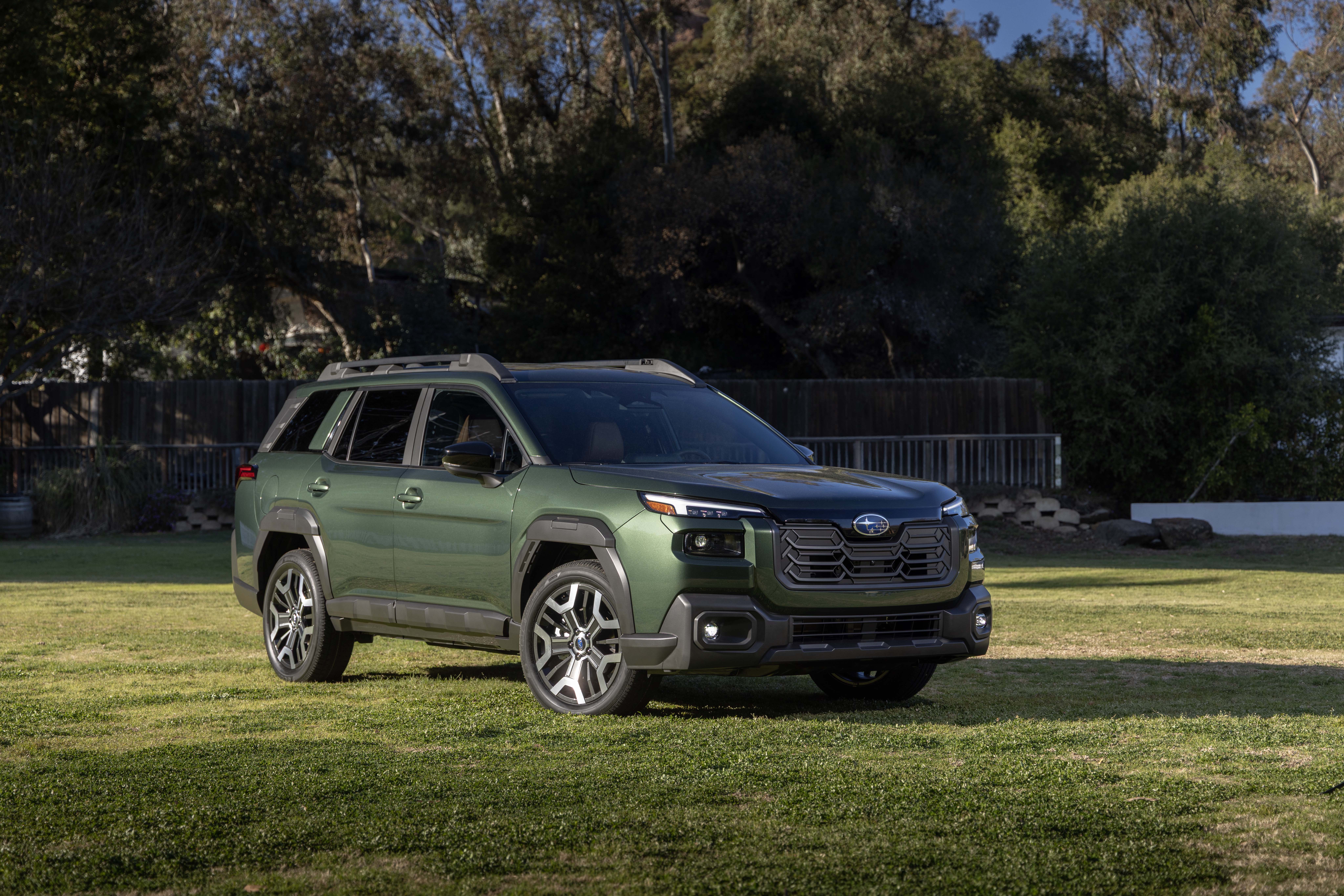
The 2026 Subaru Outback Premium is widely characterized as the "sweet spot" of the lineup, successfully bridging the gap between a traditional station wagon and a midsize SUV. Industry consensus positions the Premium trim as the volume leader, designed for pragmatic buyers who desire essential comforts like heated seats and an upgraded infotainment interface without the price creep of top-tier luxury models. While it occupies a unique market niche offering the ground clearance of a crossover with the driving dynamics of a car, it remains an "anti-SUV" focused on utility over status. Reviewers consistently praise its "do-it-all" versatility and standard Symmetrical All-Wheel Drive, though they note the base powertrain is merely adequate and the large touchscreen requires a learning curve. Ultimately, it remains a benchmark for huge, outdoors-oriented utility.
2. Its Main Competition
The competitive landscape for the 2026 Outback Premium includes both high-volume compact crossovers like the Toyota RAV4 and Honda CR-V, and adventure-oriented midsize options like the Ford Bronco Sport and Honda Passport. While the Outback distinguishes itself through its unique wagon-like architecture and standard always-on Symmetrical All-Wheel Drive, competitors often treat AWD as an upsell. The Mazda CX-50 is frequently cited as a direct stylistic rival, though it offers firmer, sportier handling compared to the Subaru's comfort focus. A recurring theme in comparisons is the "Wagon vs. Box" debate; the Outback offers superior roof access and driving dynamics, but hybrid rivals like the RAV4 Hybrid provide vastly better fuel economy. Ultimately, the Outback positions itself as a lifestyle tool rather than a generic people-mover.
3. Its Buyer’s Demographics
The demographic profile for the 2026 Outback Premium is among the most distinct in the automotive world, skewing toward highly educated, pragmatic, and safety-conscious buyers. Often described as "mass affluent" with household incomes ranging between $75,000 and $150,000, these individuals prioritize durability and versatility over status symbols, embodying a "stealth wealth" mindset. The buyer base spans from active families to empty-nesters, with a disproportionately high rate of dog ownership and participation in outdoor activities like skiing and hiking. Geographically concentrated in snowbelt regions, these consumers are research-heavy and value the vehicle as a necessary piece of gear. The Premium trim specifically appeals to the rational middle of this group—buyers who want modern amenities but are wary of the complexity and cost associated with luxury models.
4. Design
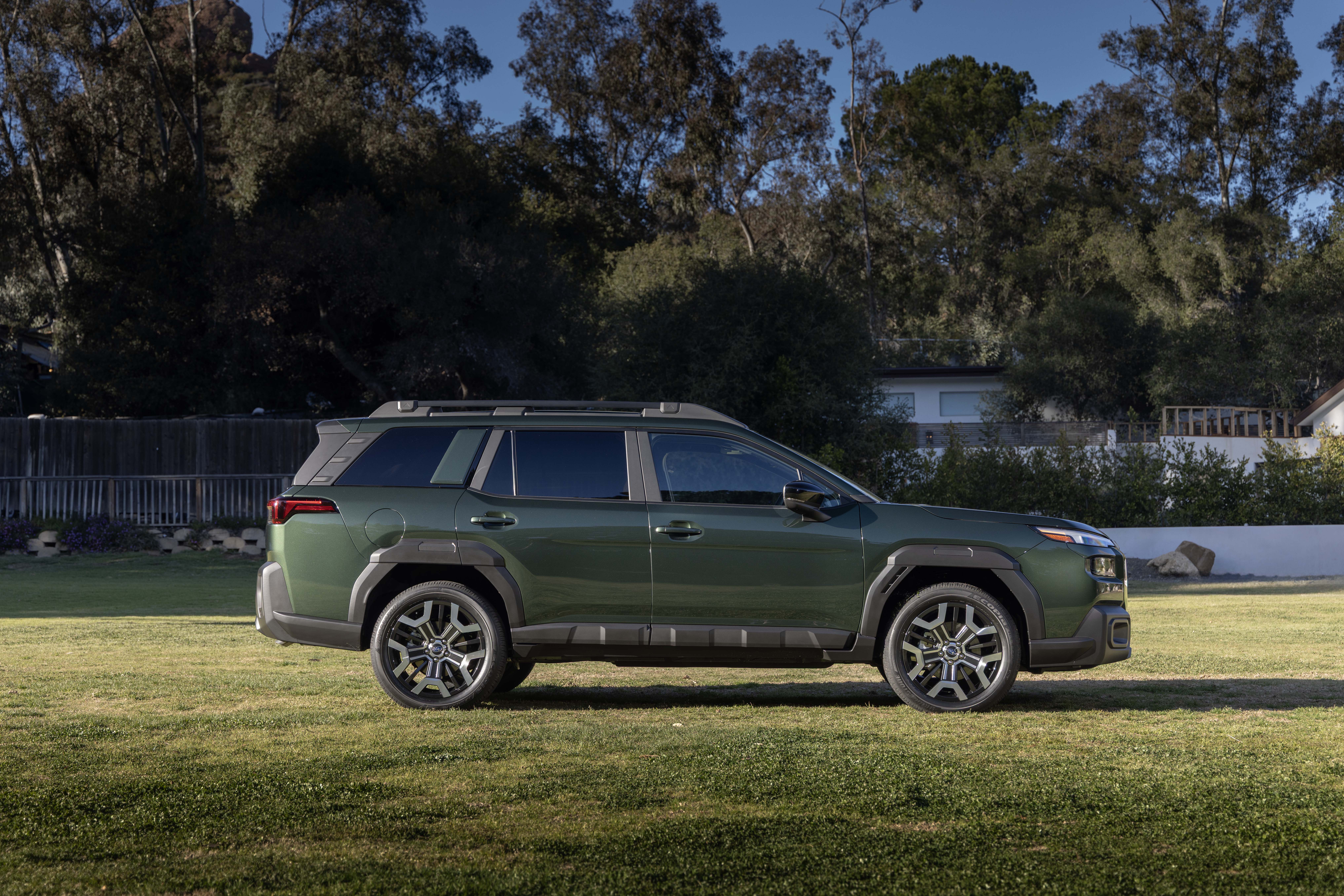
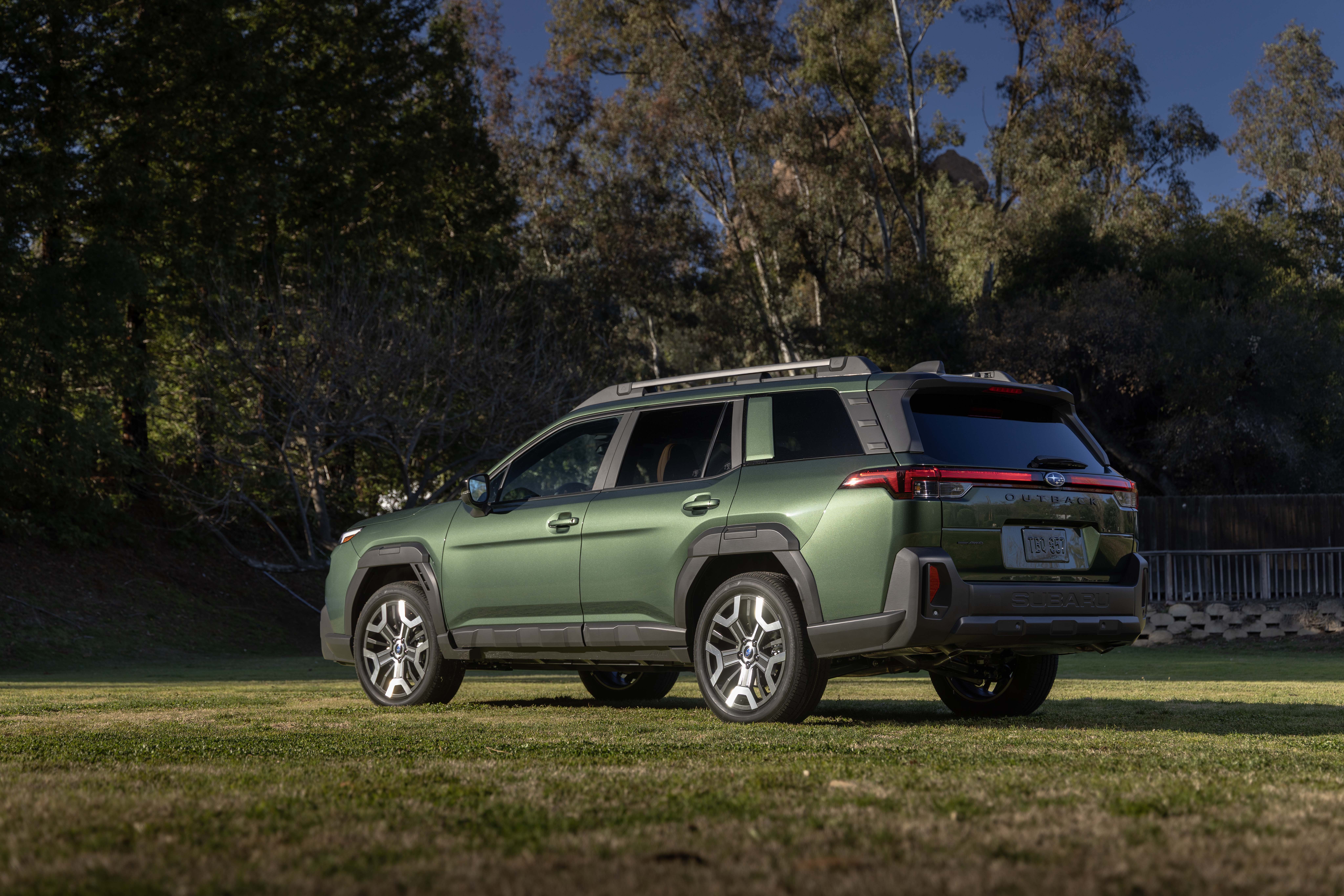
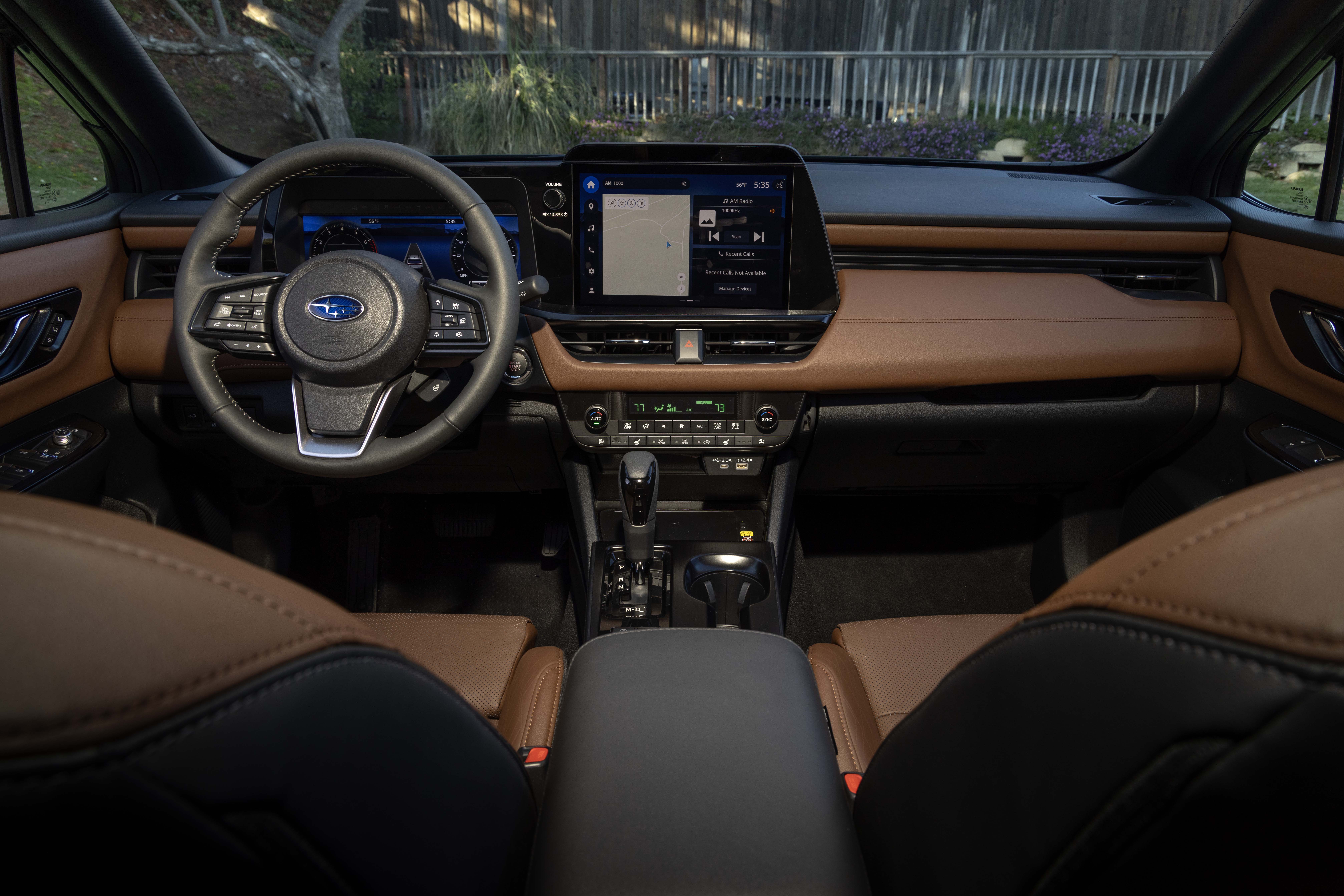
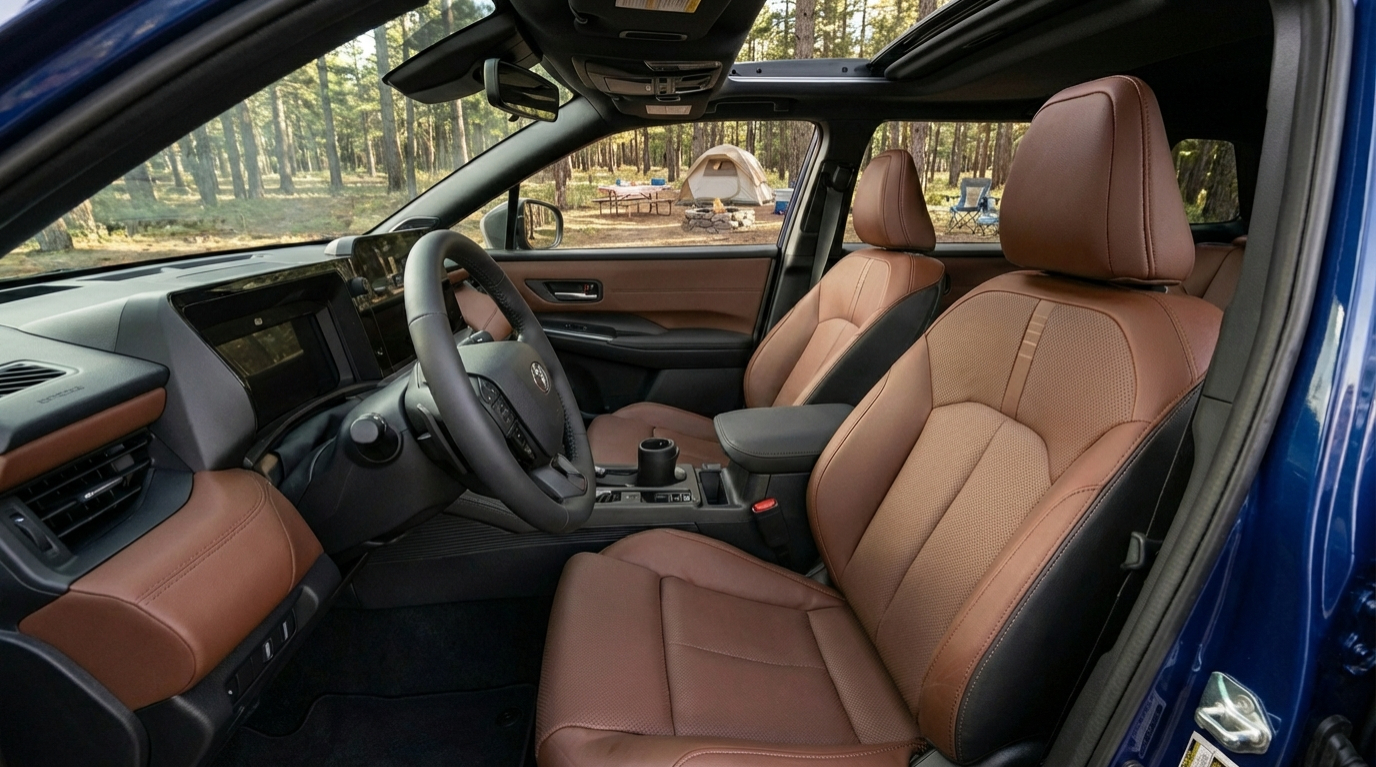
The design of the 2026 Outback Premium doubles down on its "rugged wagon" ethos, featuring a lifted ride height, prominent standard roof rails, and heavy textured cladding that signals outdoorsy capability. While the cladding remains a polarizing topic, pragmatic buyers view it as essential protection against brush and gravel. The vehicle’s silhouette remains an anomaly, looking longer and lower than blocky SUV competitors, which aids aerodynamics and elegance. Inside, the design theme is "durable utility," anchored by a massive 11.6-inch vertical touchscreen that dominates the dashboard. Materials in the Premium trim are selected to withstand wear from pets and gear rather than to pamper occupants, resulting in a sturdy, unpretentious workspace that prioritizes outward visibility and long-term resilience over fleeting fashion trends.
5. Interior & Cargo Room
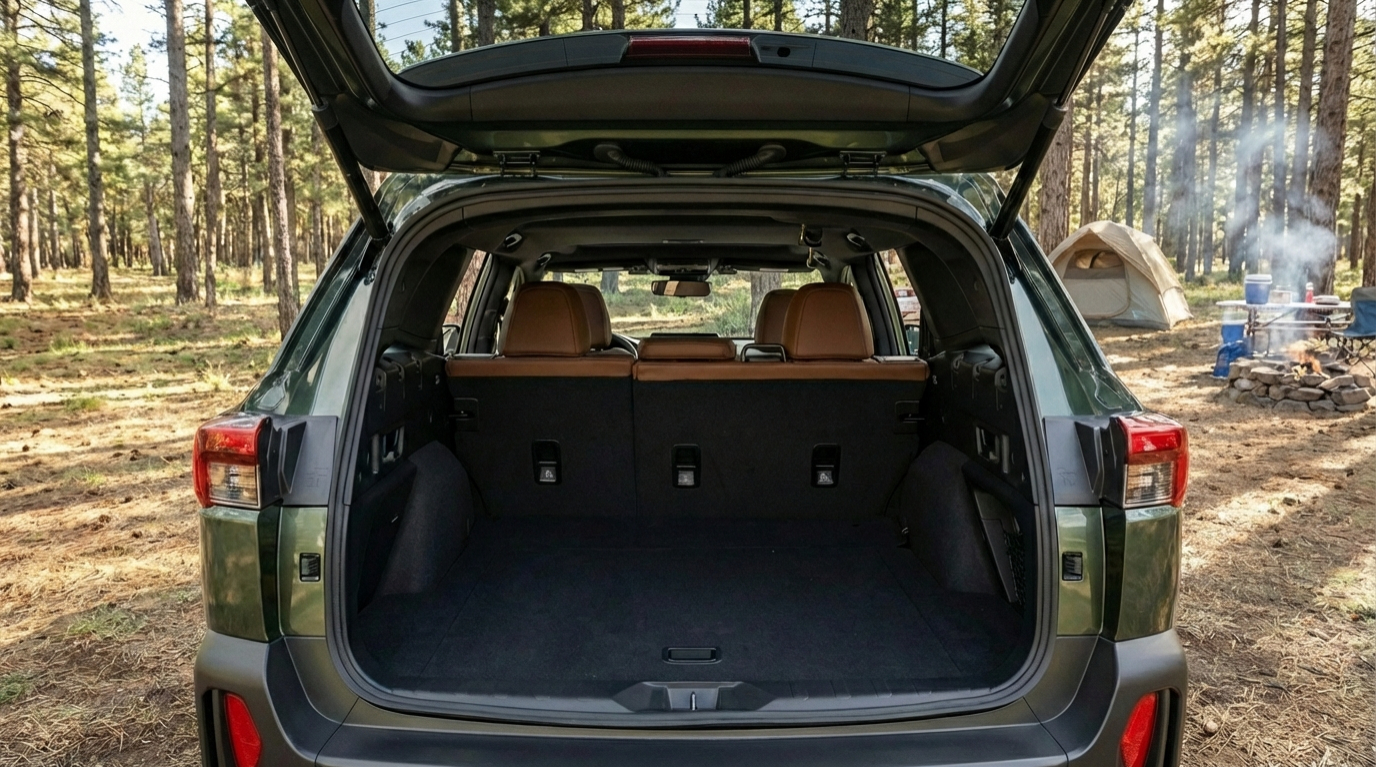
The 2026 Outback Premium is broadly characterized as a packaging triumph, utilizing its wagon architecture to offer a deep, usable cargo floor that rivals larger SUVs. Reviewers consistently highlight the exceptional load depth, which accommodates long items like camping gear and strollers more easily than shorter, boxy competitors. A standout advantage is the low lift-over height, making it significantly easier to load heavy objects or for aging pets to jump into the back. Passenger space is generous, with substantial rear legroom and an airy cabin feel, though the tapering roofline means vertical cargo space for tall, square boxes is more limited than in the Forester or CR-V. Ultimately, for "lifestyle" loading—groceries, luggage, and outdoor gear—the Outback’s layout is viewed as superior to traditional crossovers.
6. Ergonomics & Comfort
Ergonomically, the 2026 Outback Premium strikes a "Goldilocks" balance, offering a driving position that is elevated enough for security but low enough for easy entry and exit. The seats are frequently praised as supportive and forgiving, designed to minimize fatigue on long highway stints rather than for spirited cornering. Outward visibility is a major asset, with thin pillars and extensive glass providing excellent sightlines that reduce stress in traffic. However, the user experience is marred by the dominance of the central touchscreen; recurring complaints cite the integration of climate controls and seat heating into sub-menus, which forces drivers to look away from the road for simple adjustments. Despite this digital friction, the physical environment remains a highly comfortable, fatigue-reducing space for daily use.
7. Interior, Fit & Finish
The interior fit and finish of the 2026 Outback Premium is characterized as "functional quality," prioritizing durability and sturdiness over overt luxury. The Premium trim features high-quality cloth upholstery and soft-touch materials on key contact points, creating an honest aesthetic capable of withstanding mud, snow, and paws. While assembly is widely regarded as solid with tight panel gaps, reviewers note the visible cost-cutting in lower cabin plastics, which feel ready for abuse rather than admiration. A specific, universal complaint involves the use of piano-black gloss plastic around the infotainment screen, which attracts dust and fingerprints immediately. Overall, the cabin is positioned as "utilitarian premium"—a sensible, well-constructed environment built to last ten years of family use rather than to impress on the showroom floor.
8. Driver & Pass UX
The user experience in the 2026 Outback Premium is dominated by the standard 11.6-inch vertical touchscreen, which serves as the vehicle's nerve center. While the large display offers excellent map visibility and modern aesthetics, the "touch-everything" philosophy introduces friction, particularly regarding the lack of physical buttons for climate and seat-heater controls. A widely shared critique is the system's "startup lag" and occasional processing latency when switching between heavy applications, though wireless Apple CarPlay and Android Auto integration is described as reliable and effective. Voice recognition remains a secondary method of control, functioning adequately but lacking the natural language processing of premium rivals. Ultimately, the UX is feature-rich but requires a learning curve, prioritizing screen real estate over immediate, tactile intuition.
9. Sound System
The standard 6-speaker audio system in the 2026 Outback Premium is widely described as "competent" but decidedly average, tuned for mass appeal rather than fidelity. Reviewers agree that it performs well for spoken-word content like podcasts and news radio, delivering clear vocals that cut through road noise. However, for music lovers, the experience is underwhelming; the system lacks dynamic range and bass response, often sounding muddy or flat at higher volumes. It avoids being offensively bad but fails to offer the immersive experience found in upgraded competitor systems. The consensus recommendation is that audiophiles should seek the optional Harman Kardon upgrade, as the base setup acts merely as a utilitarian tool for background listening rather than a source of enjoyment.
10. Acceleration
Research regarding the 2026 Outback Premium’s acceleration paints a consistent picture of a vehicle that is "sufficient" rather than spirited. Equipped with the standard 2.5-liter naturally aspirated engine and a CVT, the Outback prioritizes smoothness over speed, delivering 0-60 mph times in the leisurely 8.5 to 9.0-second range. While adequate for city driving, the powertrain struggles with high-speed highway passing; heavy throttle inputs often result in a "rubber band" sensation and pronounced engine noise without a commensurate surge in speed. Compared to turbocharged or hybrid rivals, the base Outback feels noticeably slower. The consensus is that this powertrain is a reliable tool for momentum rather than excitement, and buyers seeking engagement are universally advised to look at the optional Turbo XT models.
11. Braking
The braking performance of the 2026 Subaru Outback Premium is widely characterized as reassuring and competent, fitting its role as a family safety vehicle. Stopping distances from 60 mph are competitive for the class, typically landing in the mid-120-foot range. A notable improvement cited in 2026 coverage is the brake pedal feel; historically criticized for being "mushy," the newer calibration is described as firmer and more linear, inspiring greater confidence. While the vehicle’s high ground clearance results in some "nose dive" during panic stops, the balanced weight distribution and AWD system ensure stable, straight-line deceleration. Overall, the braking setup is well-matched to the car's relaxed demeanor, offering a predictable safety net for daily driving.
12. Handling
On the road, the 2026 Outback Premium is defined by stability rather than agility. The handling profile is universally described as secure and predictable, with a long wheelbase that provides excellent tracking on highways, requiring minimal steering correction. While body roll is present due to the comfort-tuned suspension and high ground clearance, the low center of gravity provided by the Boxer engine keeps the vehicle feeling planted rather than tippy. The steering is light and manageable, making urban maneuvering and parking surprisingly easy for a vehicle of its length. Ultimately, the Outback prioritizes safe, "set it and forget it" dynamics that communicate limits early, encouraging a relaxed driving style rather than corner-carving aggression.
13. Interior Noise
The acoustic refinement of the 2026 Outback Premium is a story of two different environments. At steady highway cruising speeds, the cabin is widely praised for being surprisingly quiet, with effective insulation managing wind and road noise to create a serene long-distance tourer. However, this tranquility is often interrupted by the powertrain; the naturally aspirated engine and CVT combination produces a coarse "drone" that permeates the cabin during hard acceleration or hill climbs. Unlike premium vehicles that use active noise cancellation, the Outback relies on passive sound deadening, which works well until the engine is pushed. Net-net, it is a peaceful place to be, right up until the point you need to pass someone in a hurry.
14. Ride Quality
Ride quality is widely cited as the 2026 Outback Premium’s "superpower," an area where it outperforms almost every competitor in its price bracket. The suspension is tuned for compliance, giving it a plush, absorbent character that "floats" over expansion joints and eats speed bumps with ease. The high-profile tires on the Premium trim further aid this, acting as a secondary cushion against sharp impacts that would jar passengers in stiffer, sportier SUVs. While enthusiasts might find it too soft, the consensus is that for real-world roads—often broken and uneven—the Outback offers a level of refinement and isolation that feels like a class above, prioritizing passenger comfort unapologetically.
15. Driver Assist Systems
The 2026 Outback Premium is praised for its comprehensive standard "EyeSight" driver-assist suite, which is widely regarded as a high-value inclusion. The adaptive cruise control is highlighted for its smoothness, managing following distances with a natural fluidity that reduces driver fatigue. However, the "Lane Centering" and Driver Monitoring systems receive mixed reviews; while effective on straight highways, they are frequently criticized as intrusive "nannies" that can be overzealous with alerts. Despite these annoyances, features like blind-spot monitoring and rear cross-traffic alert function reliably, and the overall consensus is that the technological safety net provides immense peace of mind, reinforcing the car’s safety-first identity even if it requires a firm hand occasionally.
16. Mileage
Fuel economy for the 2026 Outback Premium is viewed as merely "acceptable" rather than impressive. Equipped with the standard 2.5-liter engine, the vehicle typically delivers EPA ratings around 26 mpg city and 32 mpg highway. While these numbers are respectable for a permanent All-Wheel Drive vehicle of its size, the "standard AWD penalty" means it lags significantly behind hybrid rivals like the Toyota RAV4 or Honda CR-V, which can achieve near 40 mpg. Real-world highway range is noted as a positive due to the large fuel tank, but the Outback represents the "old guard" of efficiency—dependable and capable, but undeniably thirsty compared to the modern electrified competition.
17. Safety
Safety is the cornerstone of the Subaru brand, and the 2026 Outback Premium is universally expected to maintain its status as a segment leader in this category. The vehicle consistently earns top-tier accolades, including IIHS Top Safety Pick+ and NHTSA 5-Star ratings, supported by a structural design engineered to withstand severe impacts. Beyond crash scores, the standard EyeSight system provides a watchful co-pilot that helps prevent accidents, while the vehicle’s excellent outward visibility and stable AWD handling contribute to superior "active safety." While some drivers find the system's alerts early and intrusive, the consensus is that the Outback Premium offers one of the most comprehensive safety packages on the market, making it a default choice for risk-averse buyers.
18. Pricing
The pricing strategy for the 2026 Outback Premium places it in the "value sweet spot" of the midsize crossover market, typically hovering in the mid-$30,000 range. Reviewers champion this trim as the rational buy, bundling essential features like a power driver’s seat, heated seats, and the large infotainment screen without the inflated flexibility of luxury trims. A key advantage is standard All-Wheel Drive; while rivals like the RAV4 or CR-V might appear cheaper initially, equipping them with comparable AWD capability often bridges the price gap. Although price creep has pushed it out of "budget" territory, the consensus is that the Outback Premium offers fair value for its substantial hardware and utility.
19. Value
The value proposition of the 2026 Outback Premium is driven by immediate utility and exceptional long-term retention. Data consistently shows that Subarus hold their value incredibly well, often outperforming domestic rivals to lower the total cost of ownership. In terms of "lifestyle value," the inclusion of sturdy roof rails with integrated crossbars and standard AWD makes it a turnkey adventure vehicle straight off the lot, saving owners money on aftermarket accessories. However, the value equation is slightly diminished by fuel costs compared to hybrid competitors, which may save thousands over time. Ultimately, the Outback Premium offers unbeatable value for the active user, but merely average mathematical value for the passive commuter.
20. Reliability
The reliability outlook for the 2026 Outback Premium is generally "solid," characterizing it as a dependable product with a few specific electronic vices. The mechanical core—the naturally aspirated 2.5-liter engine—is viewed as a mature, proven unit, with historical head gasket issues largely considered resolved. However, caution flags persist regarding the CVT transmission's long-term reliance on strict maintenance and the infotainment system, which is prone to occasional software glitches and freezing. While it may rank slightly below the industry gold standard of Toyota due to these tech gremlins, it consistently outperforms many domestic rivals, making it a safe bet for a long-term keeper provided the owner accepts the occasional screen hiccup.
Frequently asked questions about the 2026 Subaru Outback Premium
Is the 2026 Subaru Outback Premium worth buying?
The 2026 Subaru Outback Premium is widely characterized as the "sweet spot" of the lineup, successfully bridging the gap between a traditional station wagon and a midsize SUV. Industry consensus positions the Premium trim as the volume leader, designed for pragmatic buyers who desire essential comforts like heated seats and an upgraded infotainment interface without the price creep of top-tier luxury models. While it occupies a unique market niche offering the ground clearance of a crossover with the driving dynamics of a car, it remains an "anti-SUV" focused on utility over status. Reviewers
How much does the 2026 Subaru Outback Premium cost?
The 2026 Subaru Outback Premium is priced at $34,995 – $47,995, before destination, options, and incentives.
What is the fuel economy of the 2026 Subaru Outback Premium?
The 2026 Subaru Outback Premium returns 27 MPG combined per published EPA figures.
How this review is produced
moblr meta-reviews are generated by aggregating multiple published expert road tests using AI consensus and sentiment analysis, then read and reviewed by a human editor before publication. Category ratings on the −50 to +50 scale show how each vehicle compares to the average for its segment. Learn more about the moblr review process.