2026 Tesla Model 3 RWD
Consensus at a glance
- Consensus score
- Not yet rated
- Price
- $36,990 – $54,990
- Powertrain
- Electric
- Combined fuel economy
- 139 MPG
- Body type
- sedan
Quick Take
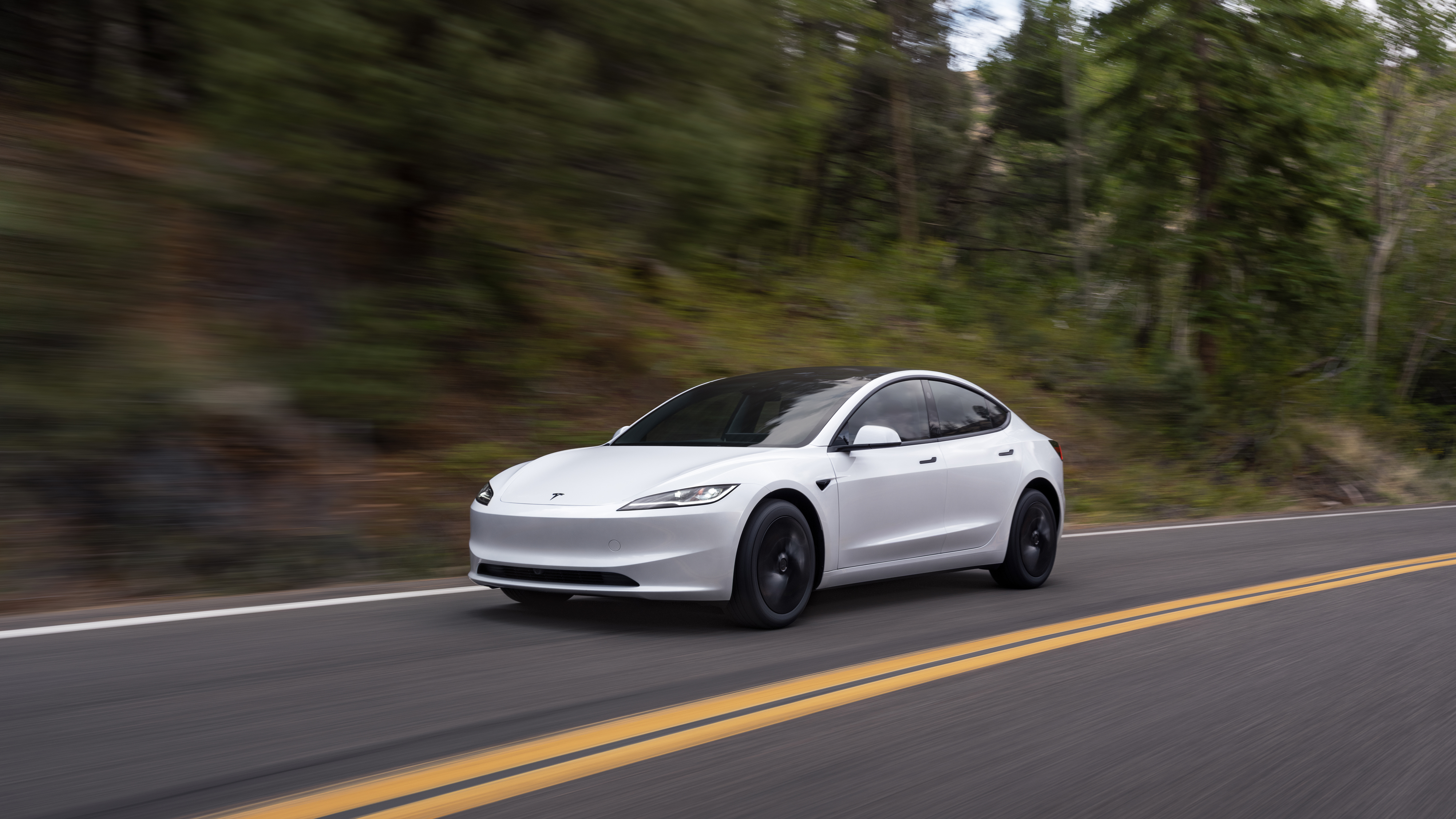
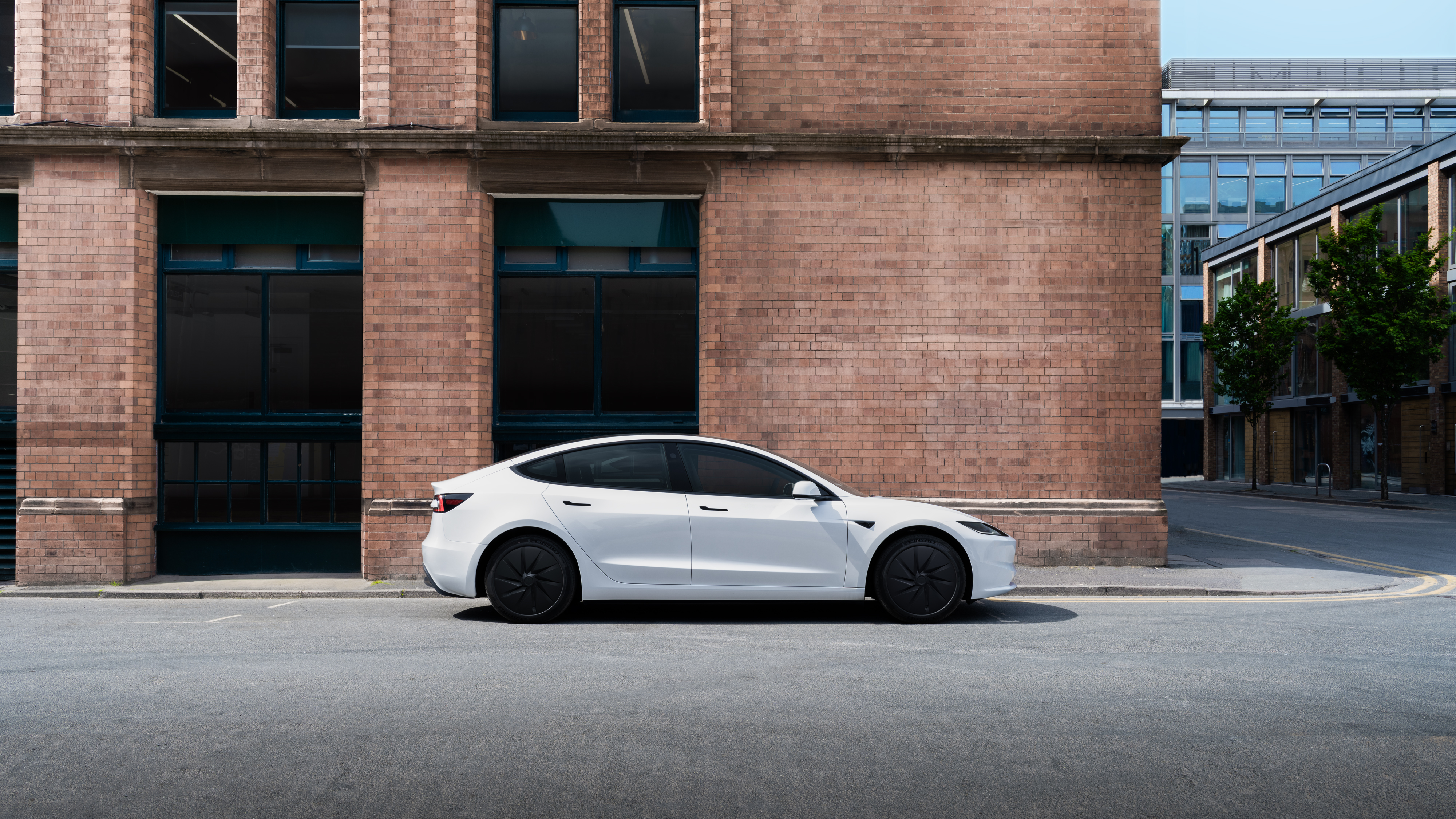
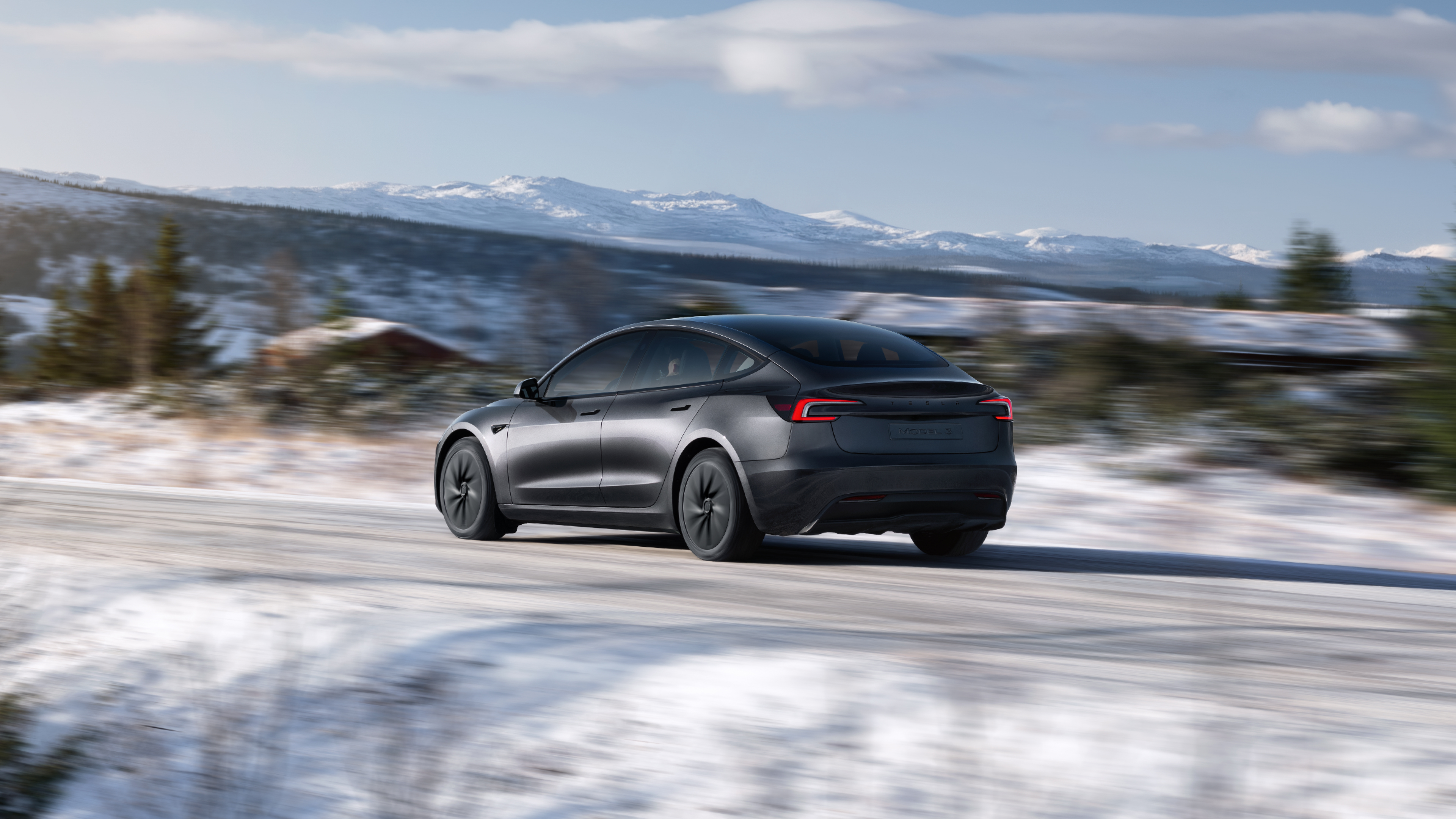
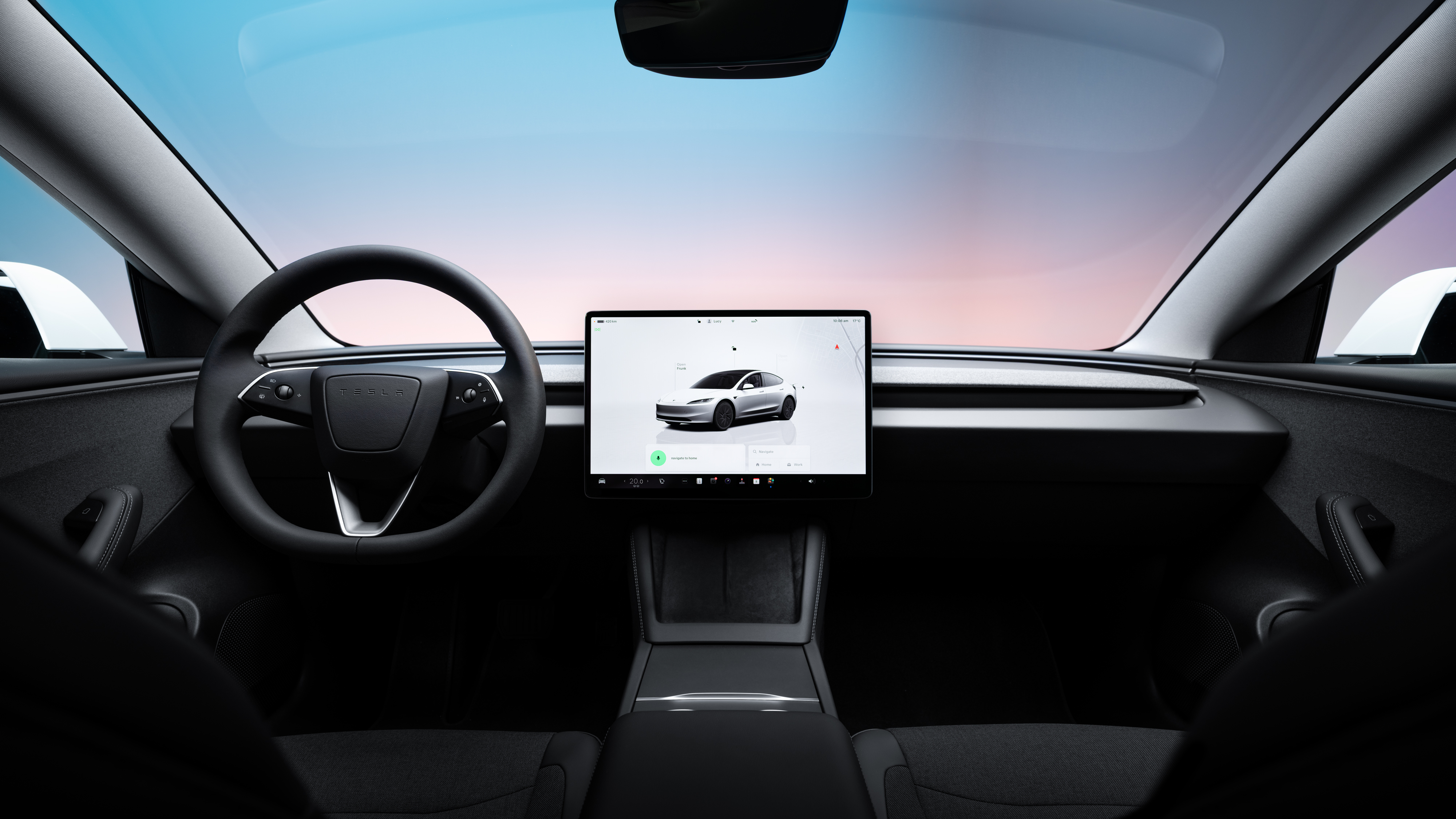
The 2026 Tesla Model 3 RWD serves as the brand's entry-level compact electric sedan, designed to balance affordability with a high-tech ownership experience. It is positioned as an optimized daily driver that competes on its tightly integrated ecosystem, which includes advanced software, continuous over-the-air updates, and seamless access to the Supercharger network. Praised for its remarkable efficiency and quiet ride, the vehicle’s design is defined by a sleek, aerodynamic exterior and a minimalist interior. The cabin is famously polarizing, centered around a single large touchscreen that controls nearly all vehicle functions, a design choice that eliminates traditional buttons and steering column stalks. This futuristic approach appeals to tech-forward professionals and commuters but can be a point of frustration for others. Despite its controversial interface, the Model 3 RWD is widely regarded as a compelling and complete EV package.
Its Main Competition
The 2026 Tesla Model 3 RWD’s primary rivals are the Hyundai Ioniq 6, Polestar 2, and BMW i4. Against this set, the Model 3’s key differentiator remains its seamlessly integrated software and highly reliable Supercharger network with native route planning. The Hyundai Ioniq 6 competes with distinct styling and a more conventional interior featuring physical controls, with some variants offering faster peak charging speeds. The BMW i4 is positioned as the traditional German sport sedan alternative, emphasizing classic luxury materials, refined driving dynamics, and familiar switchgear, though its shared platform results in interior packaging compromises. Meanwhile, the Polestar 2 is often praised for its premium Scandinavian design and practical hatchback utility. Where competitors often try to blend EV tech with familiar automotive design, the Model 3 stands apart with its minimalist, software-first approach.
Its Buyer's Demographics
The buyer profile for the 2026 Model 3 RWD is sharply defined, consisting mainly of urban and suburban professionals typically between their 30s and 50s. These consumers are highly educated, with a large proportion holding bachelor's or advanced degrees in fields like technology, engineering, finance, and healthcare. Household incomes generally fall in the upper-middle-class to affluent range, often starting around six figures. Demographically, buyers are frequently married or in a partnership, with many having one or two children. This group is strongly attracted to the car's identity as a cutting-edge tech product, valuing the convenience of home charging, seamless software integration, and low operating costs. While environmental consciousness is a factor, the purchase decision is often equally driven by an appreciation for modern design and a digitally-integrated lifestyle.
Design
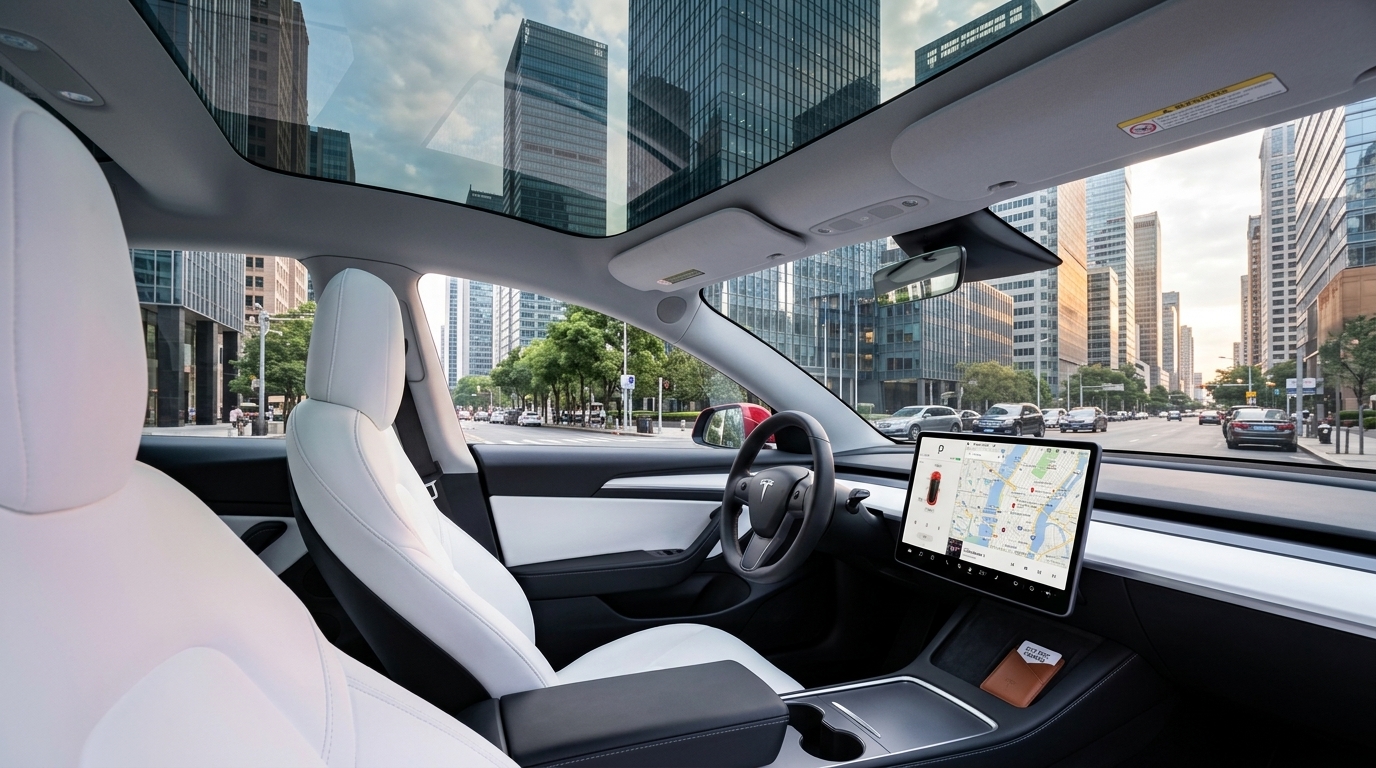
The design of the 2026 Model 3 RWD is an exercise in aerodynamic efficiency and sleek minimalism. Its exterior features a sharp, clean front fascia with slim LED headlights and smooth surfacing, creating a modern silhouette that prioritizes low wind drag over expressive flair. While some find its elegant shape understated compared to more dramatic rivals, it looks cohesive and futuristic. The interior design philosophy is even more radical and polarizing. The hyper-minimalist cabin eliminates nearly all physical buttons and stalks, centering all functions in a large central touchscreen. This creates an undeniably airy, spacious, and futuristic environment enhanced by a wraparound ambient LED light strip. However, this spartan approach can feel refreshingly modern to some drivers and frustratingly austere to others who prefer traditional tactile controls.
Interior & cargo room
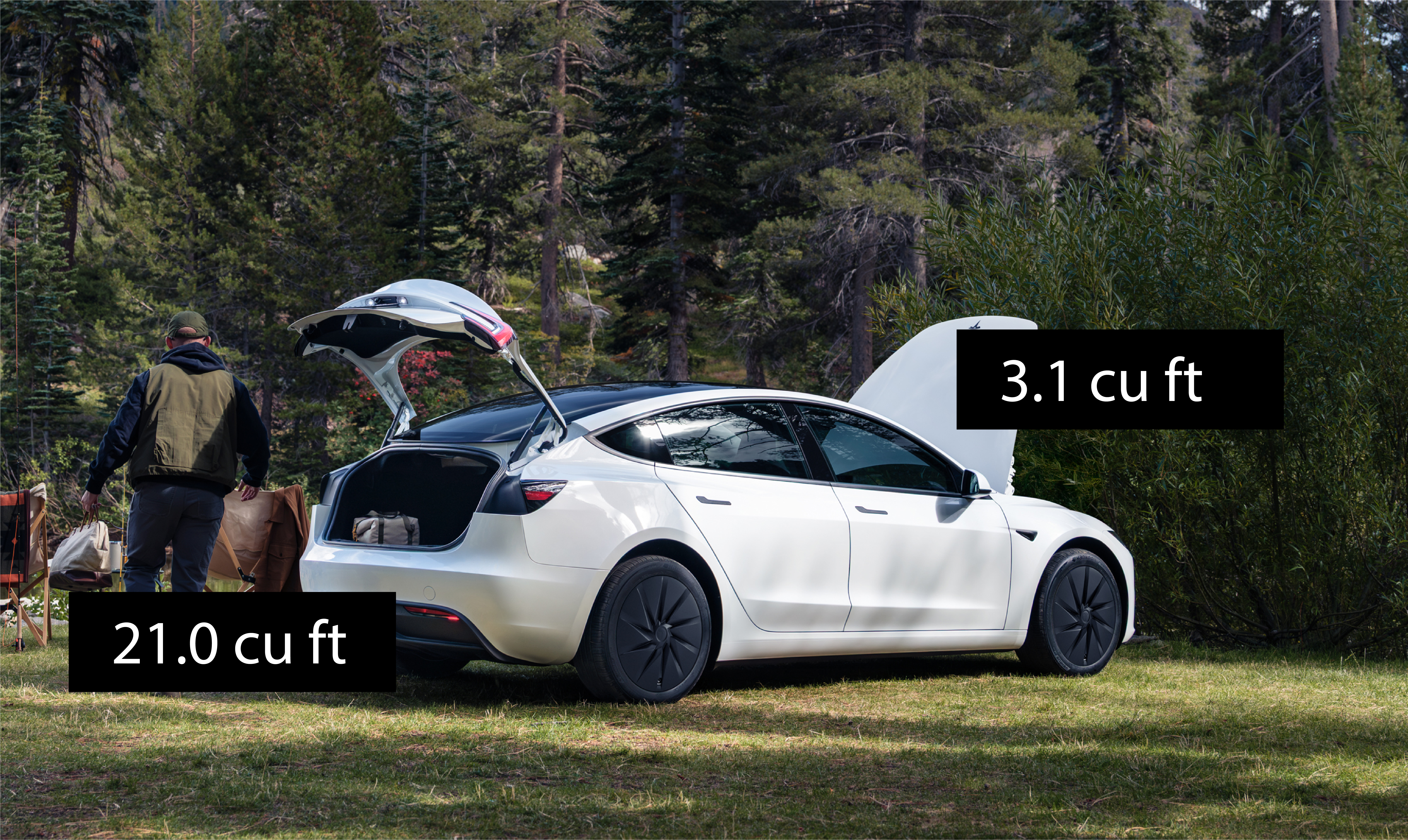
The 2026 Model 3 RWD offers a generous and airy front cabin, enhanced by the minimalist dashboard and expansive glass roof. While front occupants enjoy plenty of space, the rear seating area presents a mixed experience. Rear legroom is considered competitive for the compact sedan class, but headroom is a primary limitation for taller adults due to the car’s sloping roofline. Where the Model 3 truly excels is in total cargo volume. The combination of a deep rear trunk and a highly practical front trunk (frunk) provides excellent overall storage capacity that outclasses many rivals. A notable drawback, however, is the traditional sedan trunk lid, which creates a smaller opening that can make loading bulky items more difficult than in competitors offering a more versatile liftback design.
Ergonomics & comfort
The driving position in the 2026 Model 3 RWD is highly adjustable and comfortable, but its ergonomics are defined by a controversial screen-centric philosophy. The lack of traditional steering column stalks and physical buttons for common functions introduces a steep learning curve and can be a source of distraction. On the positive side, seat comfort is a major highlight, with supportive front seats that are excellent for long-distance cruising. Cabin storage is also highly practical, offering generous covered bins in the center console and multiple cupholders. Connectivity is excellent, featuring dual wireless phone chargers and numerous USB-C ports for all passengers. Outward visibility is a mixed bag; the forward view is panoramic, but rearward visibility is significantly limited by the high trunk and steeply sloped rear glass.
Interior, fit & finish
The interior of the 2026 Model 3 RWD presents a clean, modern aesthetic that prioritizes minimalism over traditional luxury. Material quality is generally strong, featuring a mix of soft-touch surfaces, premium synthetic leather, and modern fabric accents on the dashboard. Fit and finish have seen significant improvements over earlier years, with tighter, more consistent panel gaps and a solid, vault-like feel to the cabin, aided by the use of acoustic glass. This results in a remarkably quiet and well-isolated ride. While the overall build quality is highly commendable and feels premium, some owners may still encounter occasional minor issues like squeaks or rattles, and some harder plastics are used in lower, less-visible areas of the cabin. The result is a cohesively designed interior that feels both modern and well-assembled.
Driver & pass UX
The user experience in the 2026 Model 3 RWD is dominated by the massive central touchscreen, which is renowned for its lightning-fast responsiveness and crisp, high-resolution graphics. While the system is powerful, its reliance on virtual controls for nearly every function—from adjusting the mirrors to changing wiper speed—requires a significant learning curve for new drivers. To mitigate this, the voice control system is incredibly robust and accurate, flawlessly handling natural language commands for navigation, climate, and media, which reduces the need to hunt through menus. Bluetooth connectivity is another standout feature, offering quick, seamless, and reliable device pairing. The overall user experience is polished and technologically advanced, provided the driver is willing to adapt to Tesla’s unique and unconventional interface logic.
Sound system
The standard audio system in the 2026 Model 3 RWD is consistently praised for delivering an impressive listening experience. In the RWD's nine-speaker configuration, the sound is clean, clear, and well-balanced, with a surprisingly punchy bass response. The system particularly excels at reproducing vocals with warmth and presence, making it outstanding for listening to podcasts and audiobooks in the car's quiet cabin. For music, it creates a wide, immersive soundstage that feels more premium than a typical base-model offering. While it may not deliver the same raw power or sub-bass authority as the optional high-end branded systems found in some competitors, it provides a rich, fatigue-free audio performance that is a genuine highlight and strong value for the segment.
Acceleration
The 2026 Model 3 RWD’s single-motor powertrain prioritizes efficiency but still delivers the thrilling, instantaneous acceleration characteristic of electric vehicles. Its power delivery is exceptionally smooth and linear, with an immediate response to every press of the accelerator pedal and none of the hesitation found in combustion engines. Official 0–60 mph times are consistently around 5.8 seconds, which feels particularly brisk in real-world city and suburban driving. This setup, often paired with an LFP battery, provides brisk performance for daily commutes and highway merging. While it lacks the sheer straight-line force of more powerful dual-motor All-Wheel Drive competitors, its eager and silent surge of power makes for an effortlessly quick and engaging driving experience.
Braking
The braking system in the 2026 Model 3 RWD inspires confidence with its strong, consistent, and stable performance. In emergency situations, it delivers very competitive stopping distances for its class, often aided by the car’s low center of gravity. The system seamlessly blends aggressive regenerative braking—which allows for a smooth one-pedal driving experience—with its powerful friction brakes. This transition is exceptionally well-calibrated, feeling completely natural and seamless to the driver. The brake pedal itself is described as firm, progressive, and predictable, providing excellent feedback without feeling overly sensitive or vague. This combination of strong mechanical grip and sophisticated regenerative braking results in a highly effective and confidence-inspiring stopping experience in all driving conditions.
Handling
Handling is a standout characteristic of the 2026 Model 3 RWD, which feels agile, precise, and composed. The car’s low center of gravity, a result of its floor-mounted battery pack, keeps it feeling incredibly planted and stable with minimal body roll through corners. On the highway, it is calm and easy to place, while its quick and responsive steering makes it feel nimble and fun to drive in the city. The steering is direct and accurate, reacting instantly to inputs, though some drivers note it prioritizes precision over rich road feedback. Its good turning circle further aids maneuverability in tight urban environments. The overall result is a chassis that skillfully blends sporting character with daily-driving confidence, making it enjoyable on both sweeping freeways and congested city streets.
Interior noise
The cabin of the 2026 Model 3 RWD is impressively serene and one of the quietest in its class, representing a significant improvement over previous iterations. The electric powertrain is virtually silent under acceleration, and at highway speeds, wind noise is kept to a minimum. This remarkable quietness is primarily achieved through passive measures, including extensive use of acoustic glass, enhanced door seals, and improved sound-deadening materials. While these advancements create an exceptionally hushed environment ideal for conversations or listening to audio, tire noise can still become noticeable when driving on coarse or rough pavement. The overall effect is a calm and refined atmosphere that elevates the daily driving and long-distance cruising experience, feeling more like a premium sedan.
Ride quality
The ride quality in the 2026 Model 3 RWD strikes a sophisticated balance between sporty control and daily comfort. On the freeway, the ride is good, feeling stable and composed while effectively absorbing highway expansion joints and gentle undulations without feeling floaty. In the city, the ride remains comfortable but reveals the suspension’s firmer, more athletic character. It handles bumps and broken pavement with a controlled, muted thud rather than a harsh crash, filtering out the sharpest impacts. Navigating over speed bumps reveals a well-damped and controlled response, with no lingering bounciness. The overall ride leans toward firm and controlled rather than soft and isolating, delivering a planted feel that communicates the road surface without being uncomfortable or jarring for passengers.
Driver assist systems
The 2026 Model 3 RWD comes standard with a comprehensive and technologically advanced suite of driver assistance systems, commonly known as Autopilot. Operating on a camera-based, vision-only architecture, the system excels at its core functions. Its adaptive cruise control is praised for being exceptionally smooth and human-like in stop-and-go traffic, while the automatic lane-centering technology confidently keeps the vehicle perfectly positioned in its lane, even through gentle curves on the highway. These features work together to significantly reduce driver fatigue during long commutes and road trips. The suite also includes robust active safety functions like automatic emergency braking and blind-spot monitoring, making it one of the most capable standard systems on the market.
Mileage
In an electric vehicle, "mileage" translates to range and charging experience, which are major strengths for the 2026 Model 3 RWD. It is regarded as one of the most efficient EVs available, maximizing its miles per kilowatt-hour. Real-world range is typically lower than the official EPA figure and is heavily influenced by speed, temperature, and driving style, with cold weather causing the most noticeable reduction. The charging experience is anchored by seamless integration with Tesla’s reliable Supercharger network and the car’s intelligent navigation system, which simplifies road trips. For daily use, convenient and cost-effective Level 2 charging at home is ideal, and the RWD model’s LFP battery often allows for routine charging to one hundred percent without significant long-term degradation.
Safety
Safety is a cornerstone of the 2026 Model 3 RWD, which combines a robust physical structure with a comprehensive suite of active safety technologies. Its architecture, featuring a low-mounted battery pack, creates a very low center of gravity that makes the vehicle highly resistant to rollovers. The Model 3 has historically earned top-tier safety ratings, including a 5-star overall score from NHTSA and a Top Safety Pick+ designation from IIHS. The standard driver assistance system, built on a camera-only vision platform, includes highly effective automatic emergency braking and lane-keeping support. This blend of excellent passive crashworthiness and vigilant active safety systems has solidified the Model 3’s reputation as one of the safest vehicles in its segment.
Pricing
The 2026 Model 3 RWD is the entry-level trim in the lineup, positioning it as the most affordable way to access the full Tesla experience. It is priced competitively against other premium-adjacent electric sedans. This base RWD model is overwhelmingly the most popular choice among buyers, widely considered the "sweet spot" of the range because it offers an ideal balance of performance, range, and advanced technology for daily use. It delivers the same core design, software, and ecosystem access as the more expensive dual-motor variants, making it a compelling value proposition. With the U.S. federal tax credit no longer a factor for this model, its relatively accessible base price has become an even more critical element in its market appeal.
Value
The value proposition of the 2026 Model 3 RWD is a combination of its purchase price and long-term ownership benefits. At the time of purchase, it delivers strong value by including a wealth of standard technology, excellent efficiency, and access to Tesla’s superior charging ecosystem. Its total cost of ownership is often cited as a key advantage, thanks to lower energy and maintenance expenses compared to both gasoline cars and some competing EVs. The car's ability to receive over-the-air software updates also adds long-term value by keeping features current and improving functionality over time. However, resale value can be more unpredictable than with traditional vehicles, as its used market price is often influenced by Tesla’s frequent new-vehicle price adjustments, creating some volatility for owners.
Reliability
Reliability for the 2026 Model 3 RWD is generally seen as a tale of two parts. The fundamental electric powertrain and battery are considered highly robust and durable, with few widespread reports of major mechanical failure. Ownership satisfaction often hinges on factors outside the core drivetrain. While build quality has improved significantly over the years, common complaints can still include minor fit-and-finish inconsistencies, interior squeaks or rattles, and occasional software glitches. On the positive side, many of these electronic quirks can be resolved conveniently through over-the-air software updates without requiring a service visit. The overall picture is one of strong powertrain dependability paired with a non-zero chance of experiencing nuisance-level quality or electronic issues.
Frequently asked questions about the 2026 Tesla Model 3 RWD
Is the 2026 Tesla Model 3 RWD worth buying?
The 2026 Tesla Model 3 RWD serves as the brand's entry-level compact electric sedan, designed to balance affordability with a high-tech ownership experience. It is positioned as an optimized daily driver that competes on its tightly integrated ecosystem, which includes advanced software, continuous over-the-air updates, and seamless access to the Supercharger network. Praised for its remarkable efficiency and quiet ride, the vehicle’s design is defined by a sleek, aerodynamic exterior and a minimalist interior. The cabin is famously polarizing, centered around a single large touchscreen that c
How much does the 2026 Tesla Model 3 RWD cost?
The 2026 Tesla Model 3 RWD is priced at $36,990 – $54,990 , before destination, options, and incentives.
What is the fuel economy of the 2026 Tesla Model 3 RWD?
The 2026 Tesla Model 3 RWD returns 139 MPG combined per published EPA figures.
How this review is produced
moblr meta-reviews are generated by aggregating multiple published expert road tests using AI consensus and sentiment analysis, then read and reviewed by a human editor before publication. Category ratings on the −50 to +50 scale show how each vehicle compares to the average for its segment. Learn more about the moblr review process.