2026 Toyota Grand Highlander Hybrid Limited AWD
Consensus at a glance
- Consensus score
- Not yet rated
- Price
- $41,660 – $59,975
- Powertrain
- Gasoline
- Combined fuel economy
- 33 MPG
- Body type
- suv
.jpg)
title
1. Quick Take
The 2026 Toyota Grand Highlander Hybrid Limited AWD is a masterclass in pragmatic family transport, designed to solve the conflict between needing space and wanting efficiency. It fits above the standard Highlander without the bulk of a full-size SUV. Its universally praised unique selling proposition is the combination of a genuinely adult-sized third row, substantial cargo space behind it, and a smooth, fuel-sipping hybrid powertrain. This appeals to practical, research-driven families who prioritize total cost of ownership, reliability, and utility over flashy styling or sporty dynamics. While it won't win hearts for its athletic feel or luxurious cabin materials, critiques are mild. The consensus is that it flawlessly executes its mission as a spacious, efficient, and dependable tool for modern family life.
2. Its Main Competition
In the crowded three-row SUV segment, the Grand Highlander Hybrid faces formidable rivals like the Kia Telluride, Hyundai Palisade, and Honda Pilot. Its competitive edge is defined by its hybrid powertrain, which delivers mid-30s MPG—a significant advantage over the thirstier V6 and turbocharged engines of its main non-hybrid competitors. While the Telluride and Palisade are lauded for bold styling and near-luxury interiors, the Toyota counters with a more functional, conservative design. It also excels in interior packaging, offering a usable adult-sized third row and ample cargo space, a combination some rivals like the sleeker, more athletic Mazda CX-90 sacrifice. The Grand Highlander is tuned for quiet comfort, contrasting with the more engaging driving dynamics offered by competitors like Mazda.
3. Its Buyer’s Demographics
The target buyer for the 2026 Toyota Grand Highlander Hybrid is a practical, upper-middle-class family. These consumers are typically in their peak child-rearing years (35-55), with multiple children and a need for a versatile "do-it-all" vehicle for daily life and road trips. Financially secure and often college-educated, they are diligent researchers who prioritize safety ratings, reliability, and long-term value over status or thrilling performance. Many are loyal Toyota owners upgrading from a smaller SUV or minivan. They are drawn to the brand’s reputation for durability and strong resale value, and the hybrid powertrain appeals to their desire for lower running costs without the lifestyle change required by a fully electric vehicle.
4. Design
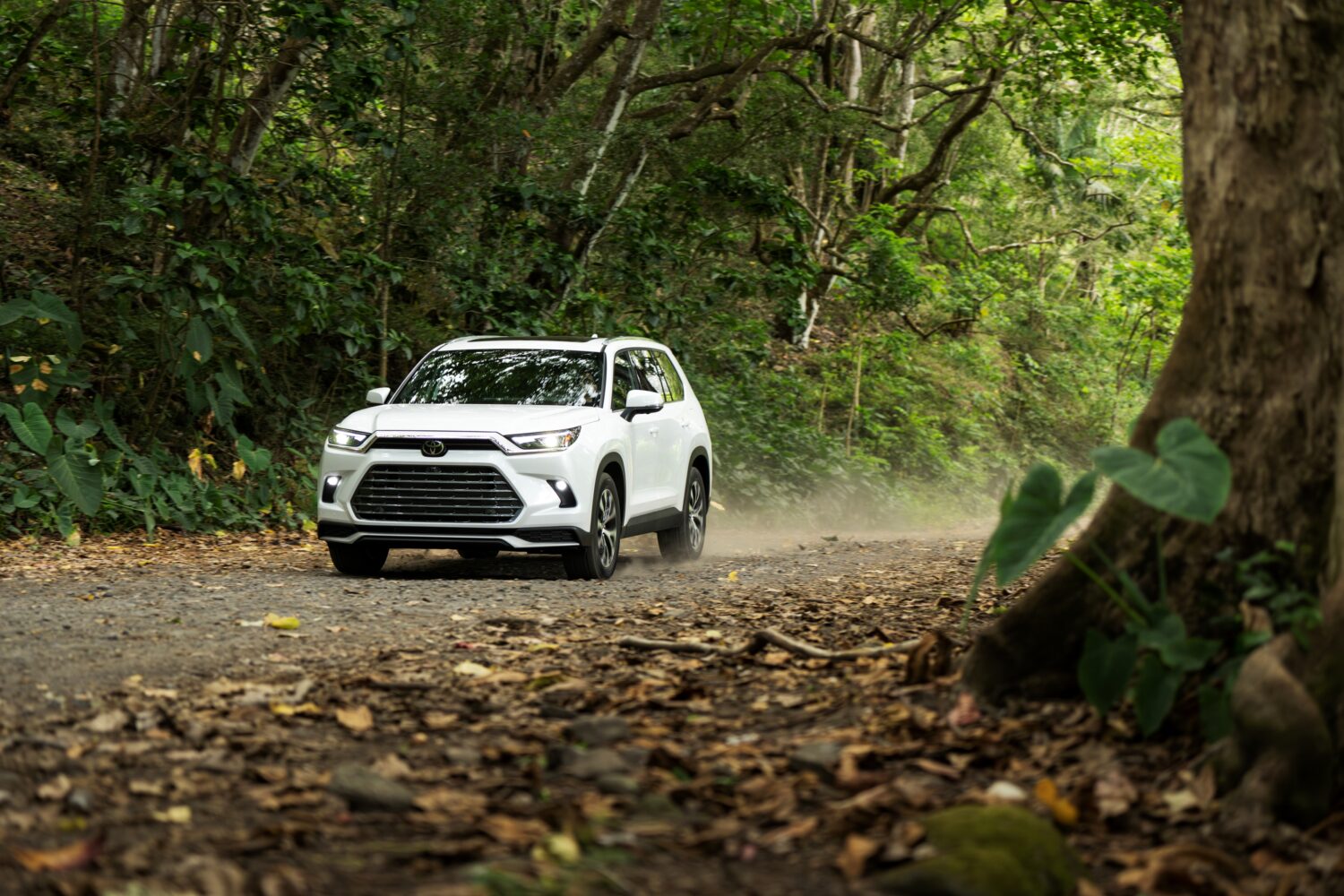
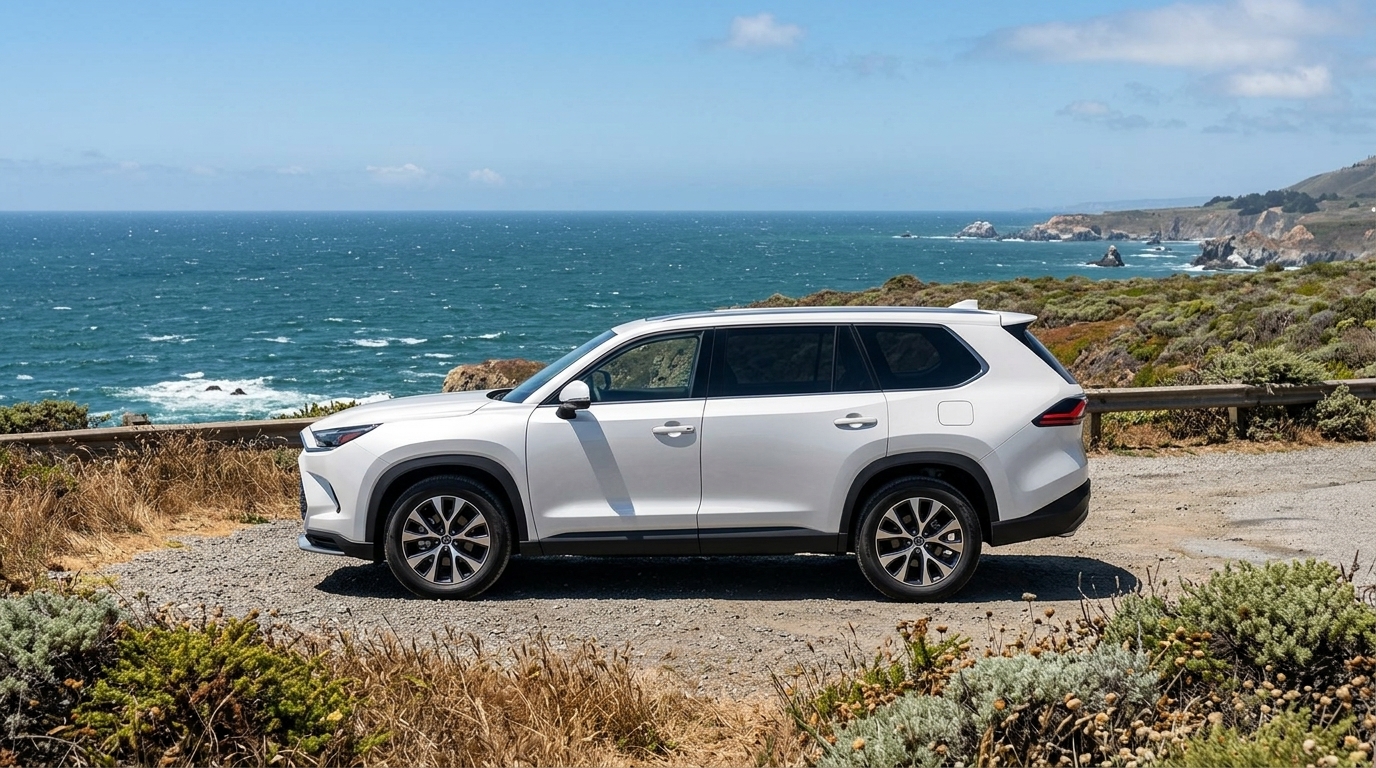
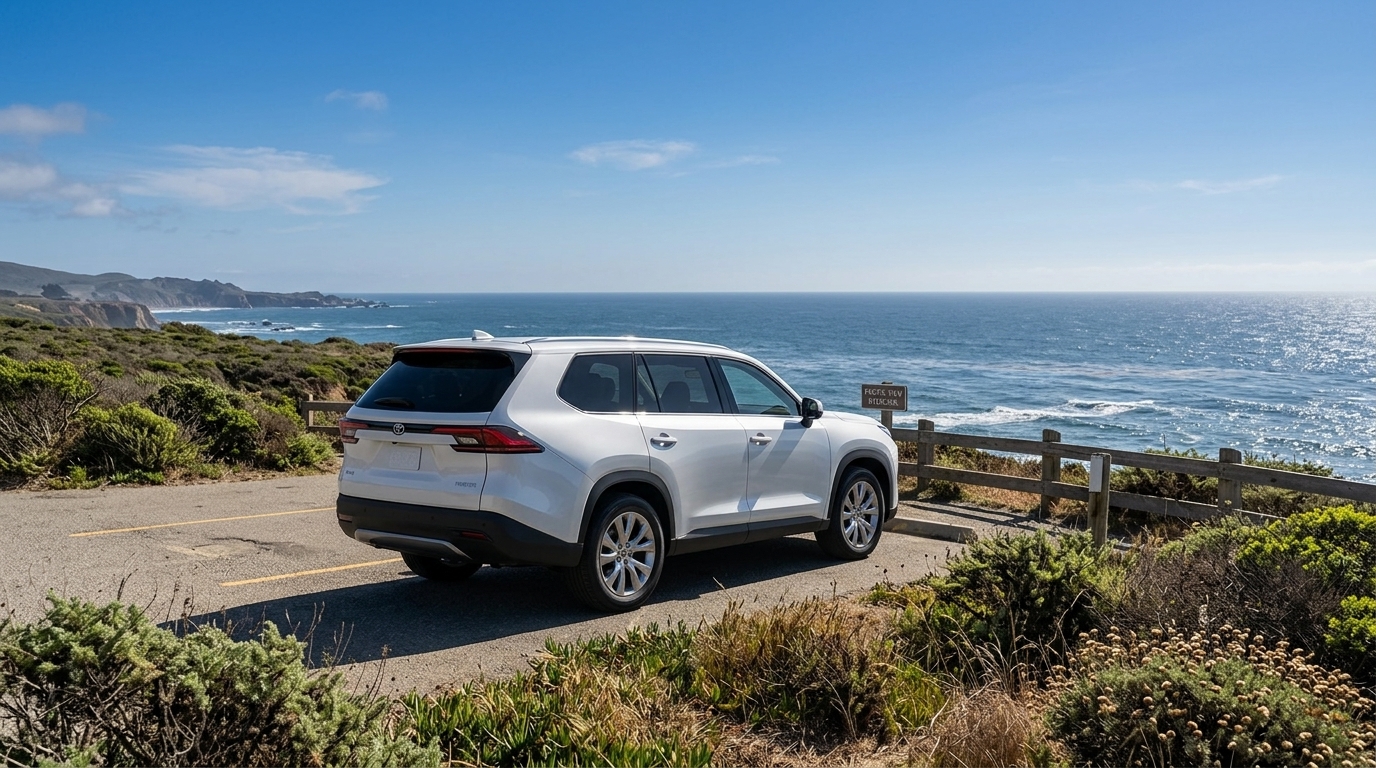
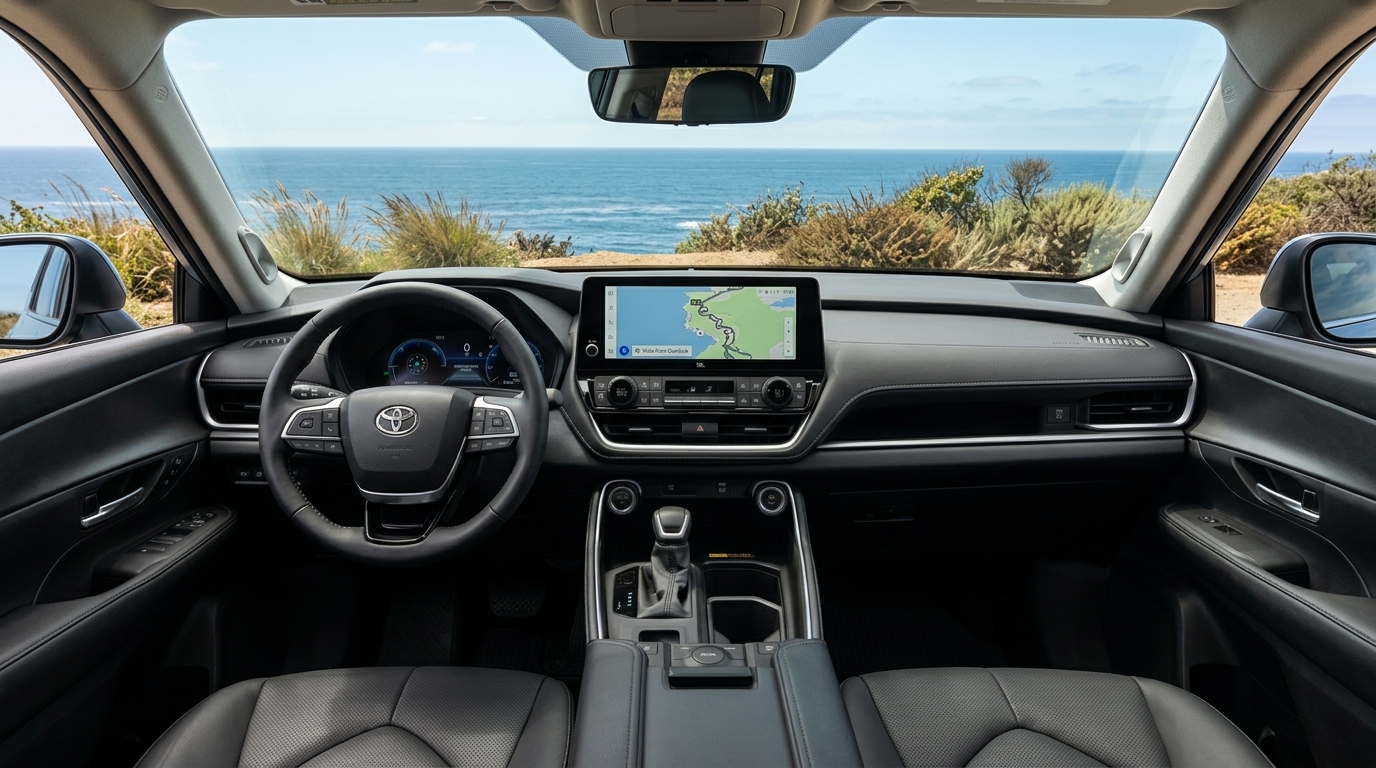
The design philosophy of the 2026 Toyota Grand Highlander is a clear case of "function over fashion." Its handsome but conservative exterior features a strong, upright, and somewhat boxy silhouette, a deliberate choice to maximize interior volume. This practical approach aligns with Toyota’s history of prioritizing substance over fleeting style trends. Inside, the dashboard is logical and highly ergonomic, receiving consistent praise for retaining physical knobs and buttons for climate and audio volume, which enhances usability. While the Limited trim includes quality soft-touch surfaces, the cabin prioritizes family-proof durability over the showy, near-luxury ambiance found in rivals like the Hyundai Palisade. Its straightforward design is a strength for a vehicle destined for the rigors of family life.
5. Interior & cargo room
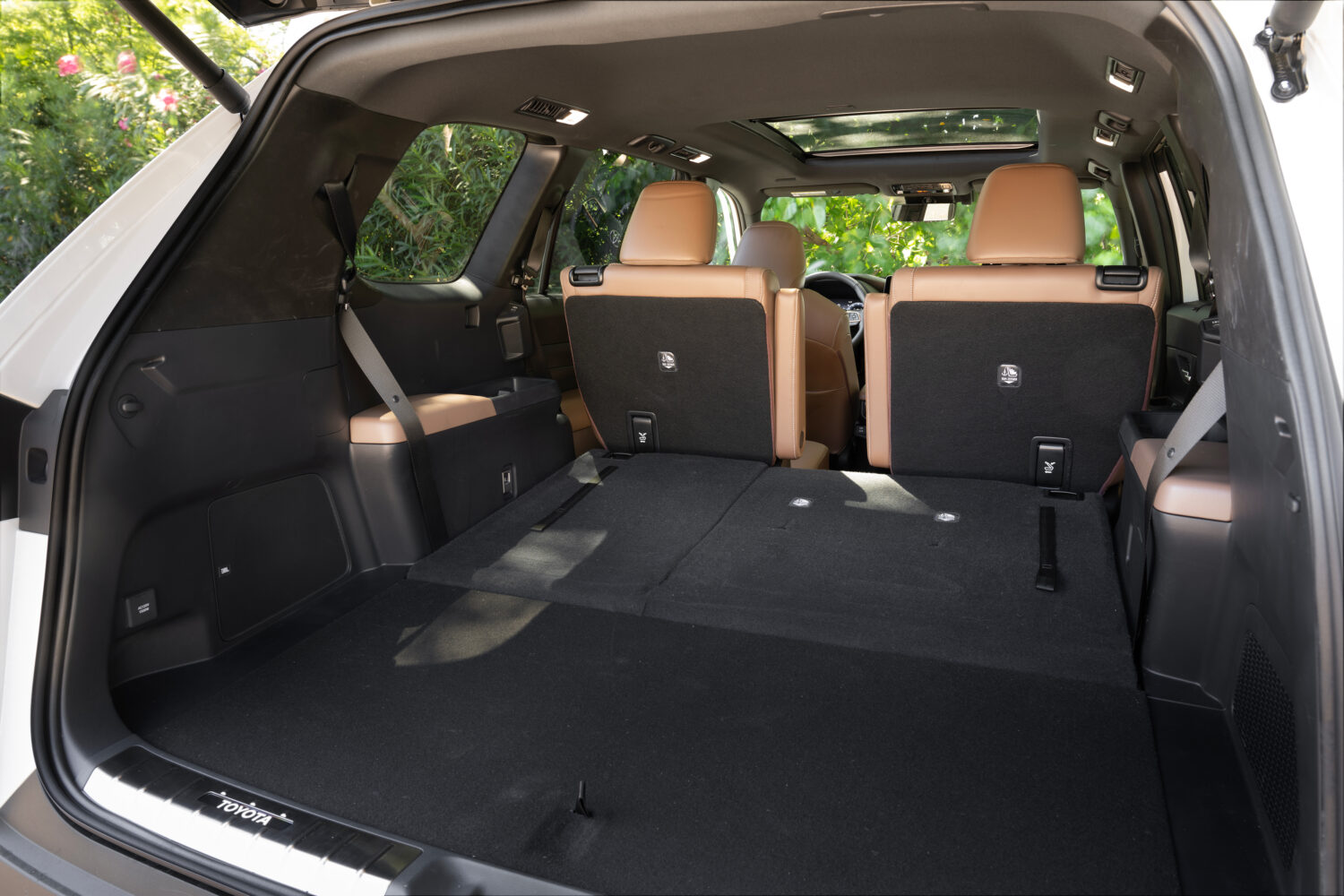
The cavernous and intelligently packaged interior is the Grand Highlander's most celebrated attribute and its primary reason for being. The standout feature is its genuinely adult-sized third row, which offers legitimate head and legroom that can comfortably accommodate teenagers and adults, a true game-changer in its class. This passenger space does not compromise luggage capacity. With all seats in use, it offers a class-leading 20.6 cubic feet of cargo room, allowing a full family to travel with their gear. Folding the third row expands this to 57.9 cubic feet, while stowing both rear rows opens up a massive 97.5 cubic feet. This rare ability to carry a full passenger load and significant cargo at the same time is a key advantage.
6. Ergonomics & comfort
The Grand Highlander’s cabin is a masterclass in family-friendly ergonomics. A key victory is Toyota's retention of physical knobs and buttons for essential controls like climate and volume, a feature widely praised for its ease of use. The upright driving position provides a commanding view of the road, and seat comfort is rated highly for long journeys. However, the vehicle’s greatest ergonomic achievement is its thoughtful inclusion of family-centric amenities. The interior is packed with an abundance of cupholders, numerous large storage bins, and plentiful USB ports distributed across all three rows to keep everyone’s devices charged. While thick rear pillars can impede visibility, a common issue in this segment, this is largely mitigated by the standard suite of cameras and sensors.
7. Interior, fit & finish
The Grand Highlander’s interior earns consistent praise for its outstanding build quality, reinforcing Toyota’s reputation for durability. Fit and finish are excellent, with tight panel gaps and a solid, rattle-free construction that feels built to withstand years of family use. The Limited trim elevates the cabin with soft-touch materials on key touchpoints, aiming for a "premium utility" feel. However, it stops short of outright opulence. Hard, durable plastics are used in lower cabin areas, which, while practical for cleaning and resisting scuffs, can feel less upscale than the more consistently lavish interiors of rivals like the Kia Telluride. Overall, the cabin prioritizes long-lasting, practical quality over the showy design flourishes found in some competitors.
8. Driver & pass UX
The user experience in the 2026 Grand Highlander is modern and user-friendly, centered on a responsive 12.3-inch touchscreen. Its interface is clean and intuitive, with a logical menu structure that is easy to master. A key point of universal praise is Toyota’s decision to blend the screen with physical knobs and buttons for core functions like volume and climate control, which significantly reduces driver distraction. Bluetooth pairing is a seamless process with stable connections. The "Hey Toyota" voice command system is also effective, understanding natural language requests for navigation or climate adjustments. While not flashy, the system's straightforward and reliable performance makes it a competitive and highly usable interface that simplifies daily operation.
9. Sound system
The upgraded JBL premium audio system in the Grand Highlander Limited is a strong all-rounder that will please most families. Its greatest strength is clarity, especially for podcasts and spoken-word content, where its crisp midrange and vocal reproduction make dialogue easy to understand. For music, it delivers a clean, well-balanced sound that serves as a significant upgrade over the base system. However, more critical listeners will note a common weakness: the bass. While present, it lacks the deep, impactful punch and richness found in the best premium systems from rivals like Kia or Hyundai. It’s a very good system for daily use, but audiophiles seeking a powerful, immersive experience may find some competitors have a slight edge.
10. Acceleration
The Grand Highlander Hybrid's powertrain is engineered for smoothness and efficiency, providing acceleration that is confident and adequate rather than sporty. At low speeds, the instant torque from the electric motors creates an effortless and responsive feel, making it pleasant for city driving. However, during heavy acceleration for highway merging, its efficiency-focused nature is apparent. The e-CVT causes the engine to rev high and hold a sustained RPM, creating an engine drone that can sound strained and unrefined compared to a traditional automatic. With 0-60 mph times in the mid-to-high 7-second range, it has ample power for daily driving but lacks the punch and auditory excitement of its V6-powered rivals.
11. Braking
Braking performance in the Grand Highlander Hybrid is competent and secure, with emergency stopping distances that are average and competitive for the large three-row segment. The system provides confident stopping power for a vehicle of its size. The most discussed aspect is its pedal feel, a common trait for hybrids that blend regenerative and mechanical braking. Some drivers note the initial pedal application can feel slightly soft or artificial, with a subtle, non-linear transition noticeable at very low speeds. While described as a distinct “hybrid feel,” it is not considered unpredictable or unsafe. Toyota’s calibration is one of the smoother implementations of this technology, and most owners adapt quickly to its feel.
12. Handling
The Grand Highlander’s handling is deliberately tuned for comfort, stability, and ease of use over athletic engagement. On the highway, it is a composed and relaxing cruiser with light, accurate steering that minimizes driver fatigue on long trips, though it offers little road feel. Body roll is present in sharp turns, as expected for a tall SUV, but it remains well-controlled and never feels unsettled in normal driving. Its large size is surprisingly manageable in urban environments, thanks to its easy steering and a good turning circle for its footprint. Parking and maneuvering in tight spaces are made significantly easier by the essential 360-degree camera system. The handling is perfectly aligned with its mission: safe, predictable, and without surprises.
13. Interior noise
The interior of the Grand Highlander is remarkably quiet and serene during steady-state cruising, ranking among the most peaceful in its class. Wind and road noise are well-suppressed due to effective sound insulation and acoustic glass, creating a calm atmosphere ideal for conversation and long trips. However, the acoustic profile changes under heavy acceleration. This is when the powertrain’s main critique emerges: the e-CVT holds the engine at a high, sustained RPM, producing a noticeable drone that penetrates the otherwise quiet cabin. This sound is less refined than that of V6 rivals. Overall, the vehicle offers a hushed ride most of the time, with prominent engine noise during spirited acceleration being the primary compromise.
14. Ride quality
Ride quality is a standout feature of the Grand Highlander, with a suspension overwhelmingly praised as supple, composed, and plush. On the highway, it truly shines, gliding over expansion joints and pavement imperfections with a sophisticated smoothness that filters out harshness without feeling floaty. This makes it an exceptional long-haul vehicle. In the city, this comfort-focused tuning continues to impress, adeptly absorbing most bumps and broken pavement. While the large wheels on the Limited trim can transmit a firmer thump over sharp-edged potholes, the ride is never harsh. Speed bumps are handled with controlled, deliberate motions, minimizing disturbance to passengers. The suspension is unapologetically tuned for comfort and succeeds brilliantly in that mission.
15. Driver assist systems
The standard Toyota Safety Sense 3.0 suite is a major strength, considered one of the most comprehensive and well-calibrated systems in the mainstream market. The full-speed adaptive cruise control is lauded for its smooth, natural acceleration and braking in traffic, while the lane tracing assist provides subtle steering inputs that effectively reduce driver fatigue on long trips. These systems work cohesively to provide a confident and relaxing highway experience. Features like blind-spot monitoring and the 360-degree camera are invaluable for safely maneuvering a vehicle of this size. While performance can degrade in poor weather, a common limitation, Toyota’s driver aids are consistently ranked at the top of their class for refinement and real-world usability.
16. Mileage
Fuel economy is a cornerstone of the Grand Highlander Hybrid’s value proposition. The all-wheel-drive model is expected to achieve an EPA-estimated combined rating in the mid-30s MPG range (around 34 mpg), placing it far ahead of its gas-only V6 and turbocharged rivals, which typically hover in the low 20s. This advantage translates into significant long-term fuel savings for families. As a conventional hybrid, it delivers this efficiency without requiring any change in driver behavior—no plugging in is necessary. While real-world mileage varies with driving style, its impressive fuel economy and lower CO2 emissions make it a top choice for buyers prioritizing efficiency in a spacious and versatile family package.
17. Safety
Safety is a core strength, built upon a robust vehicle structure and the standard Toyota Safety Sense 3.0 suite of active safety technologies. This package includes Pre-Collision System, Dynamic Radar Cruise Control, and Lane Tracing Assist. In recent years, the Grand Highlander has earned top-tier crash test ratings, including the IIHS Top Safety Pick+ award and a 5-Star Overall Safety Rating from NHTSA, placing it on par with other safety leaders like the Honda Pilot. Higher trims add further aids like a 360-degree camera. The consensus is that the Grand Highlander represents a modern, highly-equipped, and fundamentally safe choice for families, living up to Toyota's strong reputation in this critical area.
18. Pricing
The Grand Highlander Hybrid Limited AWD is positioned in the upper-middle tier of the mainstream three-row SUV market, with a price expected in the low-to-mid $50,000s. This is not a budget vehicle. It is often priced higher than similarly equipped non-hybrid top trims of the Kia Telluride or Hyundai Palisade. The premium reflects its unique combination of class-leading space, a highly efficient hybrid powertrain, and Toyota’s formidable reputation for reliability and resale value. The pricing strategy focuses on a lower total cost of ownership, where fuel savings can help offset the higher initial investment over time, making it a rational choice for discerning family-vehicle buyers.
19. Value
The Grand Highlander Hybrid’s value is a tale of two parts. Its long-term value is projected to be a class leader, with exceptionally high resale value driven by the combination of the Toyota brand, its family-friendly utility, and in-demand hybrid efficiency. This low depreciation significantly reduces the total cost of ownership. However, its value at the time of purchase is more debatable. Its upfront cost is often higher than rivals from Kia or Hyundai that may offer more luxurious-feeling interiors or flashier features for a similar price. Therefore, its overall value proposition hinges on a buyer’s priorities, weighing a higher initial investment against the long-term financial benefits of lower fuel costs and excellent value retention.
20. Reliability
Predictive reliability for the 2026 Grand Highlander Hybrid is overwhelmingly positive and stands as a primary reason for purchase. This confidence is rooted in Toyota's stellar reputation and its mastery of hybrid technology. The powertrain is part of a lineage that Toyota has perfected over two decades in millions of vehicles, making it one of the most proven hybrid systems in the industry. While any new tech-heavy vehicle may have minor software-related "teething" issues, no widespread mechanical problems are anticipated. The Grand Highlander is expected to be at the very top of its segment for dependability, making it one of the safest bets for a family seeking long-term, trouble-free ownership.
Frequently asked questions about the 2026 Toyota Grand Highlander Hybrid Limited AWD
Is the 2026 Toyota Grand Highlander Hybrid Limited AWD worth buying?
The 2026 Toyota Grand Highlander Hybrid Limited AWD is a masterclass in pragmatic family transport, designed to solve the conflict between needing space and wanting efficiency. It fits above the standard Highlander without the bulk of a full-size SUV. Its universally praised unique selling proposition is the combination of a genuinely adult-sized third row, substantial cargo space behind it, and a smooth, fuel-sipping hybrid powertrain. This appeals to practical, research-driven families who prioritize total cost of ownership, reliability, and utility over flashy styling or sporty dynamics. Wh
How much does the 2026 Toyota Grand Highlander Hybrid Limited AWD cost?
The 2026 Toyota Grand Highlander Hybrid Limited AWD is priced at $41,660 – $59,975 , before destination, options, and incentives.
What is the fuel economy of the 2026 Toyota Grand Highlander Hybrid Limited AWD?
The 2026 Toyota Grand Highlander Hybrid Limited AWD returns 33 MPG combined per published EPA figures.
How this review is produced
moblr meta-reviews are generated by aggregating multiple published expert road tests using AI consensus and sentiment analysis, then read and reviewed by a human editor before publication. Category ratings on the −50 to +50 scale show how each vehicle compares to the average for its segment. Learn more about the moblr review process.