2026 Toyota Prius XLE
Consensus at a glance
- Consensus score
- Not yet rated
- Price
- $28,755 – $37,170
- Powertrain
- Gasoline
- Combined fuel economy
- 51 MPG
- Body type
- sedan
- Transmission
- cvt
- Drivetrain
- FWD
Quick Take
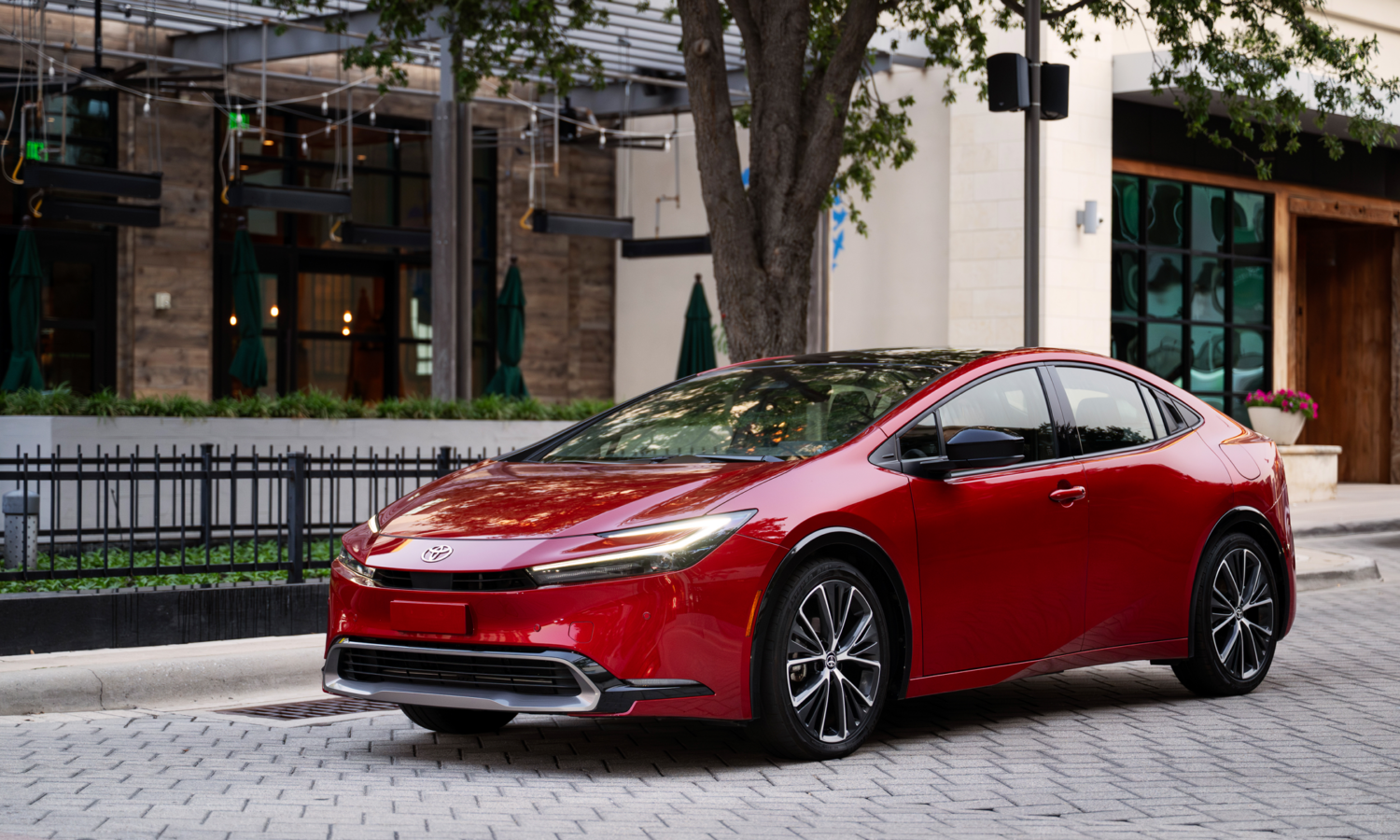
The 2026 Toyota Prius XLE is a modern hybrid hatchback representing the popular mid-tier trim that balances advanced features, efficiency, and price. It has successfully shed its historically utilitarian image in favor of a sleek, aerodynamic silhouette that offers surprising performance. The powertrain provides spirited acceleration with around 194 horsepower while still delivering its hallmark fuel economy of over 50 miles per gallon. This combination attracts a new wave of style-conscious buyers alongside traditional, pragmatic consumers who prioritize low running costs and reliability. The vehicle is widely praised for its engaging driving experience and premium-feeling cabin. However, its bold, coupe-like design introduces clear trade-offs, as the aggressively sloped roofline compromises rear passenger headroom, cargo utility for bulky items, and overall rearward visibility. The XLE is considered a smart, desirable choice for commuters and small families.
Its Main Competition
The 2026 Toyota Prius XLE’s chief rivals are the Honda Civic Hybrid and the Hyundai Elantra Hybrid, with the Toyota Corolla Hybrid also serving as a key alternative. A fundamental difference is its five-door hatchback body style, which provides greater cargo versatility compared to the traditional sedan configurations of the Civic and Elantra. The Prius distinguishes itself with a potent powertrain that offers acceleration competitive with the Civic Hybrid and significantly quicker than the Elantra Hybrid. It also holds a major advantage with the availability of an on-demand all-wheel-drive system, a crucial feature for inclement weather that its main sedan competitors do not offer. Aesthetically, the Prius boasts a unique and futuristic design that stands in stark contrast to the more conventional or polarizing styles of its rivals, giving it a distinctive presence on the road.
Its Buyer's Demographics
The buyer for the 2026 Prius XLE is a mix of pragmatic consumers and a new demographic drawn to its modern style. The target audience typically consists of professionals between the ages of 35 and 55, with middle to upper-middle-class incomes and high levels of education. These owners value Toyota’s proven reliability and low operating costs but also appreciate the vehicle’s contemporary design and advanced technology. The car suits a variety of households, including single commuters, couples, and small families with one or two children. However, due to its sleeker packaging and more compact rear quarters, it is less frequently the top choice for larger families or those who need to accommodate bulky child seats regularly in the back.
Design
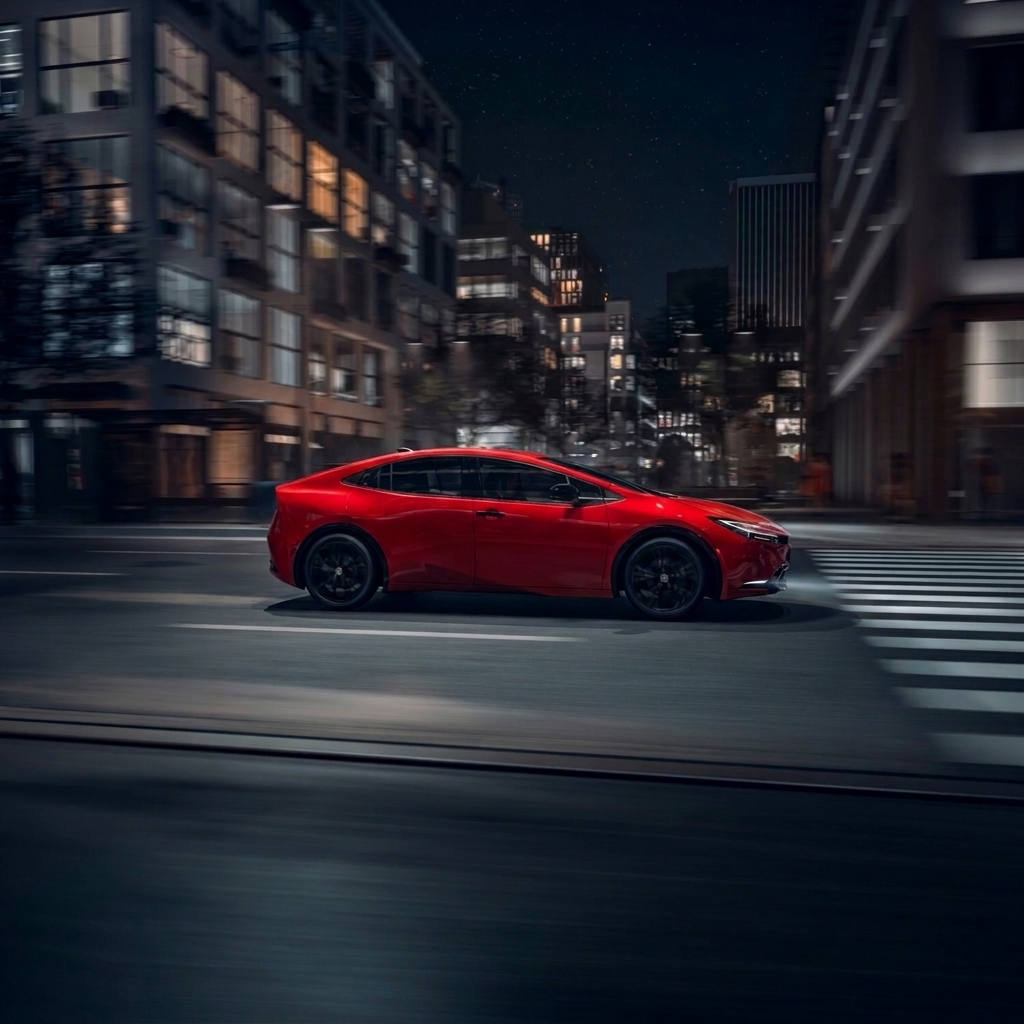
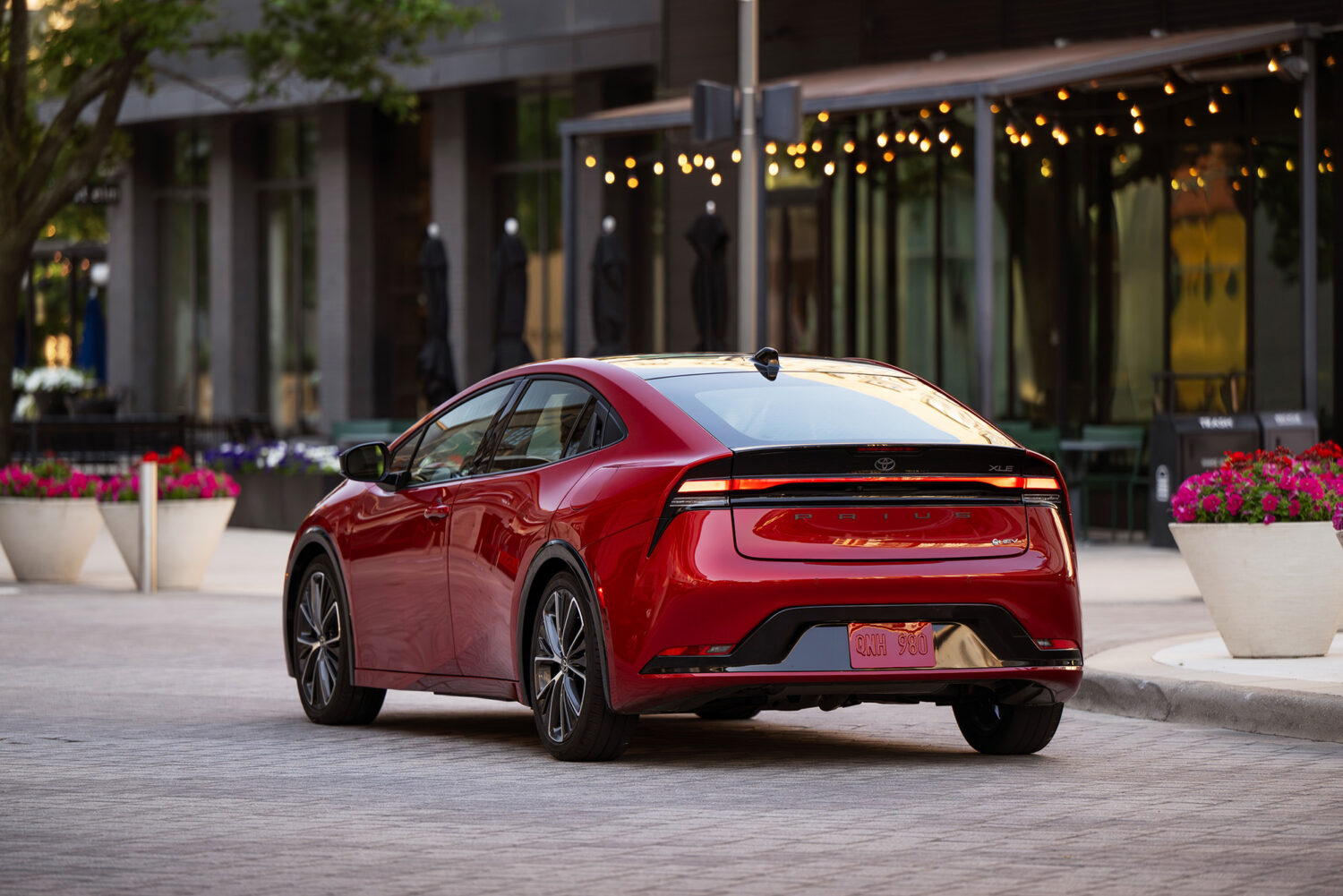
The design of the 2026 Toyota Prius XLE is a revolutionary departure from its predecessors, defined by a sleek, fastback profile with sharp character lines and a low, athletic stance. This modern aesthetic makes it appear more adventurous and dynamic than conventionally styled competitors like the Honda Civic Hybrid. Inside, the cabin features a clean, driver-focused layout that employs quality materials and soft-touch surfaces on key touchpoints. The design strikes a contemporary balance that feels upscale and functional without being overly aggressive or cluttered. While some may find the tapered roofline and rear styling polarizing, the overall look meets the expectations of buyers wanting a fuel-efficient vehicle that no longer compromises on visual appeal. It successfully updates the Prius identity for a new generation of drivers.
Interior & cargo room
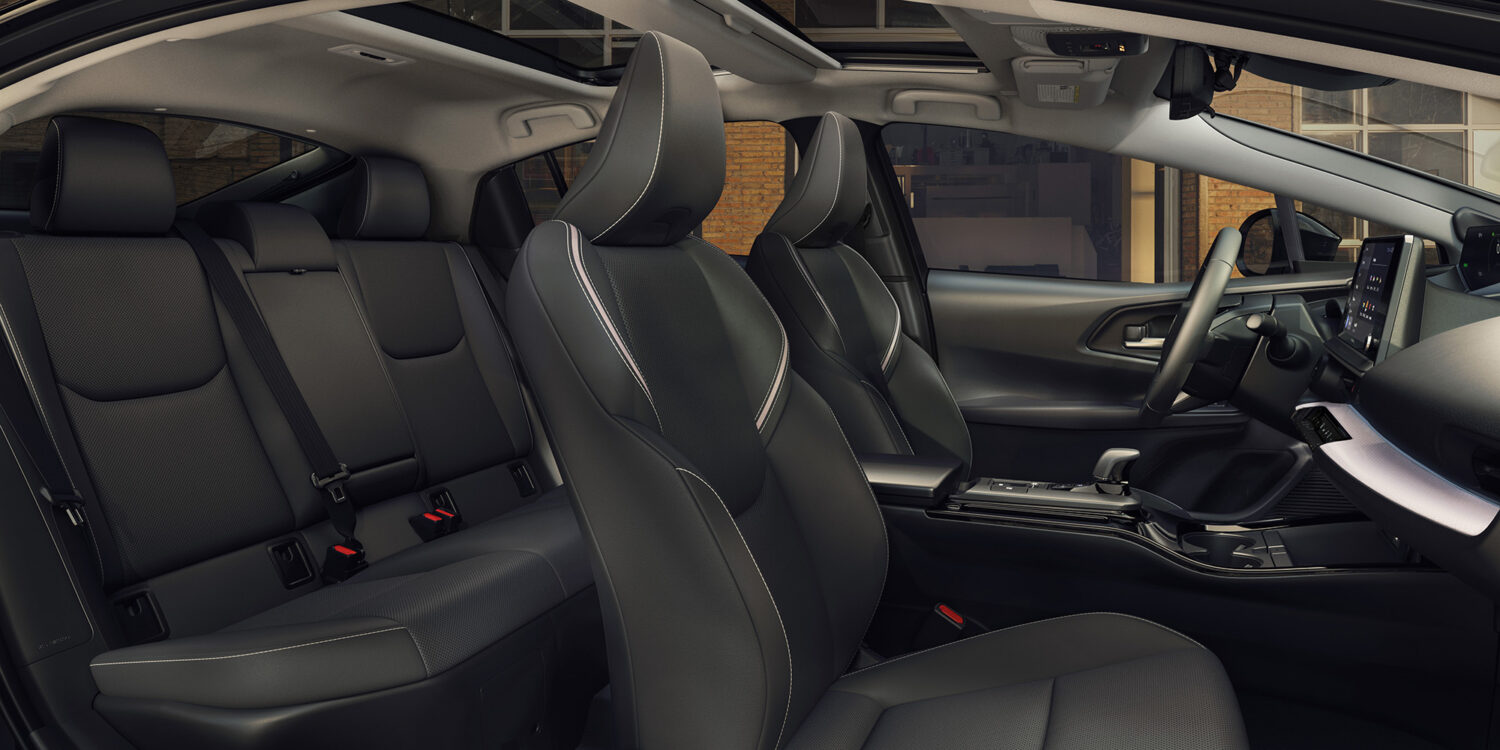
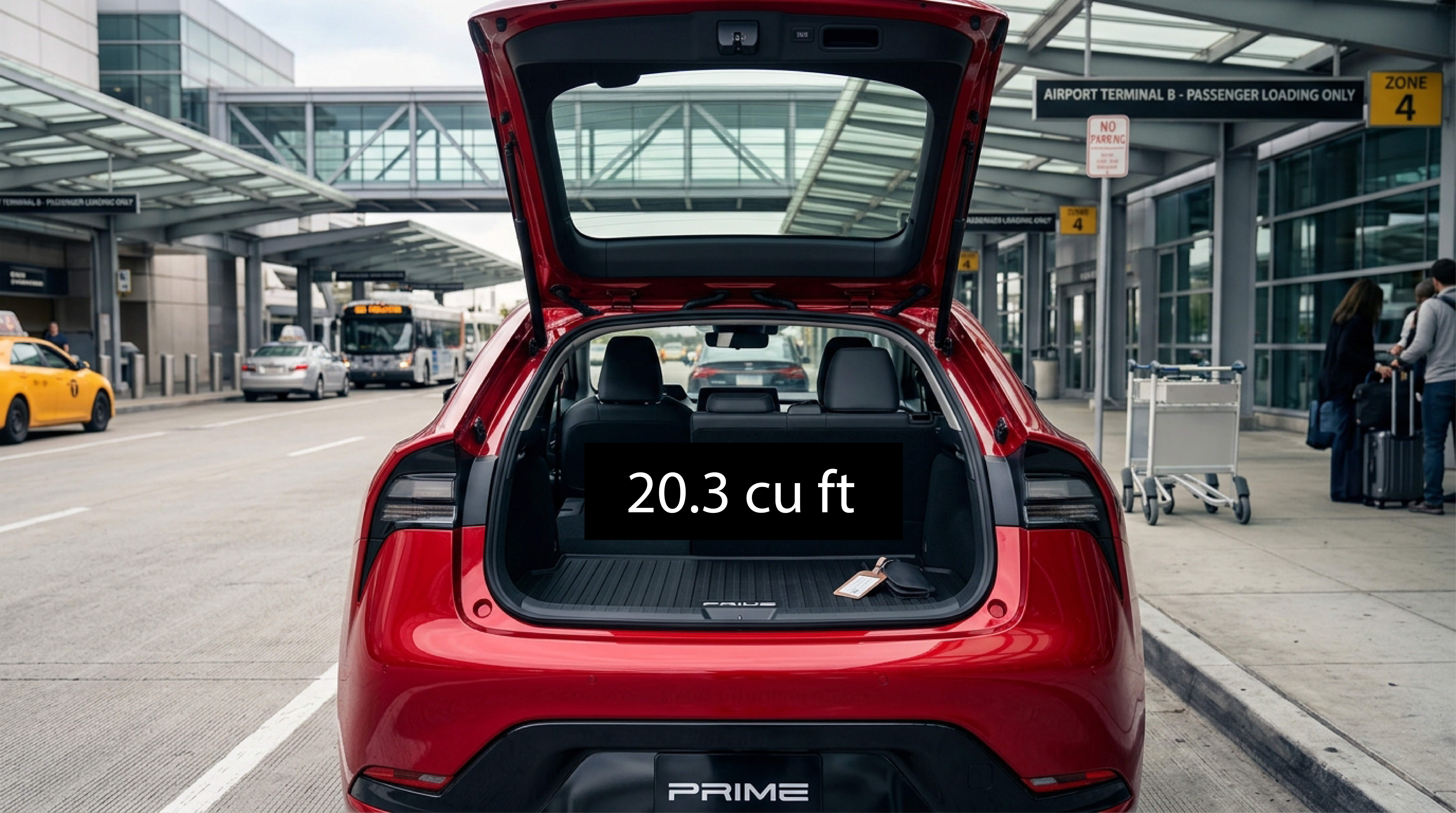
The interior of the 2026 Prius XLE offers adequate space for a compact car, but its sleek design creates functional trade-offs. Front headroom is generally comfortable for most drivers, but the aggressively raked roofline results in tight rear headroom, which can feel confining for taller adult passengers. Rear legroom is serviceable for its class but is not a standout feature compared to more conventionally shaped competitors. The car’s greatest utility advantage comes from its hatchback design, offering a flexible cargo area of around 20 cubic feet that is more versatile than a sedan’s trunk. However, the steeply sloped rear glass significantly limits vertical space, making it difficult to load tall or boxy items like large suitcases. The packaging clearly prioritizes style and aerodynamics over maximizing interior volume.
Ergonomics & comfort
The 2026 Prius XLE offers a thoughtfully designed cabin, though its sporty profile introduces some ergonomic quirks. While the low roofline can require some ducking upon entry, the driving position is comfortable and well-supported, with good adjustability. The front seats are a high point, with supportive bolstering and quality materials that hold up well on long commutes. Rear seat comfort is adequate, but headroom is notably tighter than in boxier competitors. Storage is practical, with several bins, door pockets, and an accommodating number of cupholders and USB-C ports for charging devices. A key trade-off is outward visibility; the forward view is expansive, but the thick rear pillars and sloping rear glass significantly compromise over-the-shoulder and rearward sightlines, making the standard blind-spot monitoring system an essential feature.
Interior, fit & finish
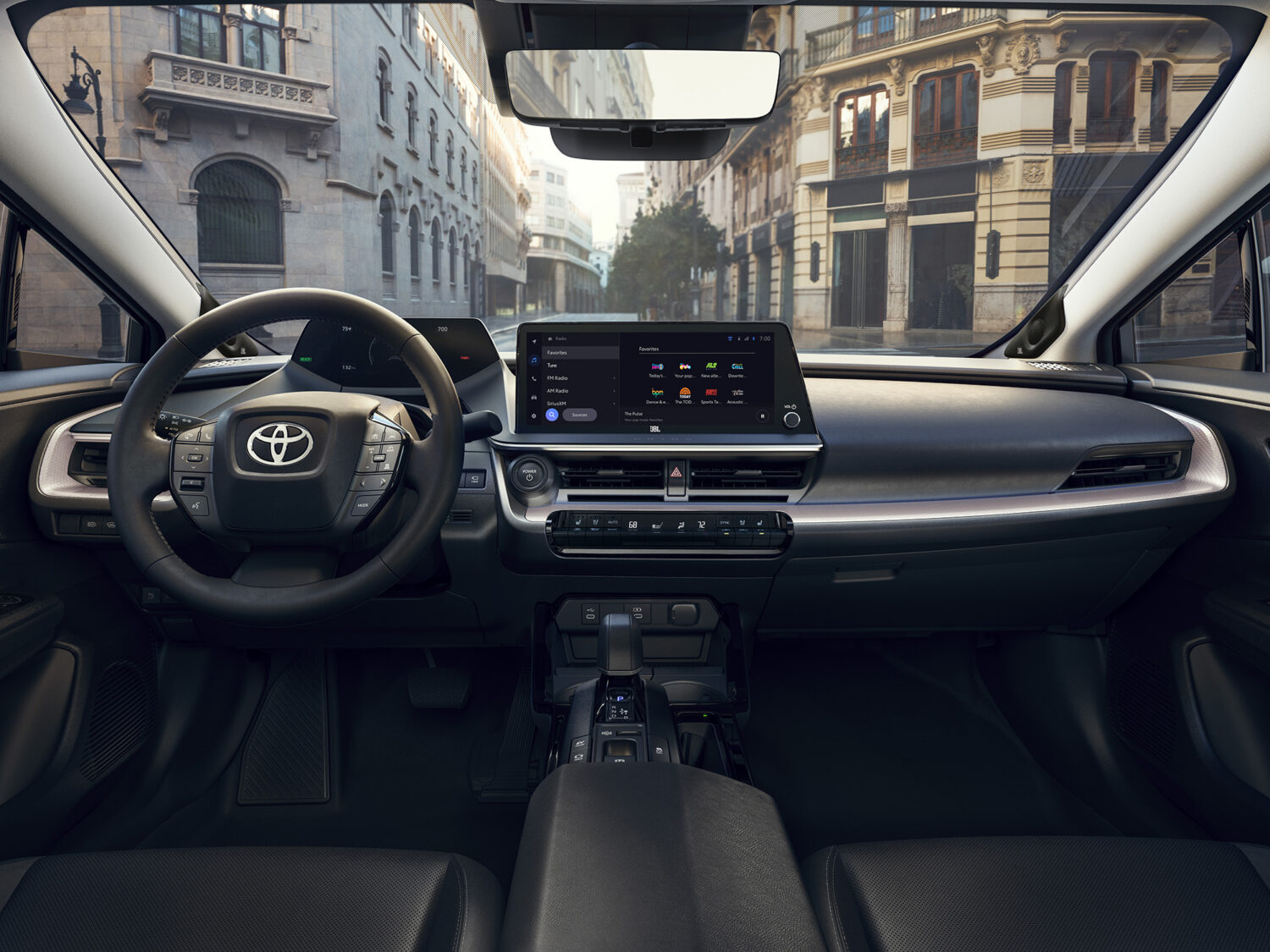
The interior of the 2026 Toyota Prius XLE feels modern and surprisingly upscale for its segment, featuring a thoughtful mix of materials. The upper dashboard and primary touchpoints are covered in soft-touch surfaces that feel pleasant and look contemporary. However, as is common in this class, harder and more durable plastics are used on the lower door panels and console areas. The overall build quality is a strong point, showcasing Toyota’s reputation for excellent fit and finish with tight, consistent panel gaps and a solid, rattle-free construction. While the cabin avoids feeling cheap, some glossy black trim elements are prone to collecting fingerprints and dust, requiring frequent cleaning to maintain their sleek appearance. The cabin provides a well-assembled and durable environment that exceeds expectations for a mass-market hybrid.
Driver & Pass UX
The user experience in the 2026 Prius XLE is centered around a responsive central touchscreen that features a clean, intuitive interface with large, easy-to-read icons. System response time is quick, with minimal lag when navigating menus, a significant improvement over older Toyota systems. Critically, the vehicle retains physical buttons and knobs for core functions like climate control, reducing driver distraction and eliminating the frustrating learning curve associated with screen-only interfaces. The "Hey Toyota" voice command system works reliably for tasks like navigation and audio adjustments. Wireless Apple CarPlay and Android Auto are standard and connect seamlessly after a straightforward initial setup, maintaining a stable connection. The unique driver’s instrument cluster, placed high and forward, requires a brief adjustment period but helps keep the driver’s eyes closer to the road.
Sound system
The standard six-speaker audio system in the 2026 Toyota Prius XLE provides a clear and balanced sound profile well-suited for daily driving. It excels at reproducing spoken-word content, making podcasts and news broadcasts sound crisp and easy to understand, even with some background road noise. For music, the system performs respectably at moderate volumes, offering a pleasant listening experience without noticeable distortion. However, it lacks the deep bass and dynamic range that would satisfy serious audiophiles. When pushed to higher volumes, the sound can lose some of its composure, with bass thinning out. For many buyers, it is a perfectly adequate setup for commuting, but those seeking a more immersive, high-fidelity experience might consider it a baseline rather than a premium offering.
Acceleration
The 2026 Toyota Prius XLE delivers surprisingly energetic acceleration that shatters the model’s sluggish stereotypes. Its hybrid powertrain, combining a 2.0-liter engine and electric motors, produces a robust 194 horsepower. Its key strength is the smooth, immediate torque from the electric motor, which makes the car feel lively and responsive in city driving and from a stop. This translates to confident merging and passing on the highway, with 0-60 mph times reported in the low-to-mid 7-second range, placing it competitively within the compact segment. Throttle response is prompt, particularly at lower speeds. While the engine can sound strained and produce a noticeable drone under sustained hard acceleration due to its continuously variable transmission, the overall performance is more than sufficient for everyday driving and feels impressively brisk for such an efficient car.
Braking
The braking performance of the 2026 Toyota Prius XLE is confident, predictable, and well-suited for daily driving. In emergency stops from 60 mph, it achieves distances in the low-to-mid 120-foot range, which is competitive and squarely within the mainstream for the compact hybrid class. The brake pedal has a firm and linear feel, inspiring confidence by providing a response that is directly proportional to the pressure applied. Toyota has expertly calibrated the transition between regenerative and traditional friction braking, making the process feel impressively seamless and natural to most drivers. While some earlier hybrids were known for vague or unpredictable pedal feel, the Prius delivers smooth, easily modulated stops, even in slow-moving traffic. The overall system provides reassuring and consistent stopping power without any significant drama.
Handling
The 2026 Prius XLE offers composed and surprisingly engaging handling that marks a significant improvement over previous generations. On the highway, it feels stable and planted, with direct steering that requires minimal corrections to hold its lane, making long drives less fatiguing. The steering is responsive and linear, weighting up appropriately at speed to enhance driver confidence. Body roll in corners is well-controlled and less than average for an economy-focused car, thanks to its low center of gravity. In city driving, the Prius is nimble and easy to maneuver, with a good turning circle that simplifies U-turns and parking in tight spaces. Its handling strikes an impressive balance, feeling secure and relaxed during commutes yet responsive enough to be enjoyable on a winding road.
Interior noise
The cabin of the 2026 Prius XLE is generally quiet and refined for its class, though noise levels vary with driving conditions. During gentle, low-speed driving, the hybrid system operates nearly silently, often relying on electric power alone. At highway speeds, wind noise is well-controlled thanks to the car’s aerodynamic shape. The most noticeable sound intrusion comes from tire roar on coarse pavement and the engine during hard acceleration. When pressed for power, the engine and continuously variable transmission can produce a prominent, droning sound that penetrates the cabin. However, once at a steady cruising speed, the powertrain settles down, creating a calm environment suitable for conversation. While not the absolute quietest car in its segment, the Prius is significantly more serene than its predecessors.
Ride quality
The 2026 Prius XLE delivers a ride quality that feels mature and well-controlled, striking a balance between comfort and handling composure. On the freeway, the ride is good, with the suspension effectively soaking up minor imperfections and expansion joints for a stable, settled feel. It avoids the floaty or bouncy sensations common in some efficiency-focused cars, providing a reassuring experience on long trips. In city driving over broken pavement and potholes, the ride is best described as average-to-good with a noticeable firmness. Sharper impacts can be felt in the cabin, partly due to the larger wheels on the XLE trim, but the damping is disciplined, preventing harshness or excessive jolting. Over speed bumps, the vehicle exhibits controlled movements, absorbing the impact without crashing or sloppy secondary motions.
Driver assist systems
The 2026 Prius XLE is equipped with a comprehensive suite of driver assistance systems that are both effective and user-friendly. The adaptive cruise control operates smoothly, managing speed and following distance in traffic with natural-feeling adjustments. It handles routine slowdowns and accelerations well, reducing driver fatigue on long commutes. The lane-centering assist is also well-calibrated, providing gentle steering inputs to keep the vehicle centered in its lane on clearly marked highways without feeling overly intrusive or creating a “ping-pong” effect. Standard safety aids like blind-spot monitoring and rear cross-traffic alert function reliably and are particularly helpful for improving visibility compromised by the car’s styling. While the systems require driver supervision, especially in complex conditions, they provide a valuable layer of convenience and safety for everyday driving.
Mileage
As a conventional hybrid, the 2026 Toyota Prius XLE continues to set a high bar for fuel efficiency. The front-wheel-drive XLE model achieves an excellent EPA-estimated 52 MPG combined, with an available all-wheel-drive version still delivering a remarkable 49 MPG combined. These figures place it at or near the top of its class, often outperforming key rivals like the Hyundai Elantra Hybrid and holding a competitive edge against the Honda Civic Hybrid. Real-world mileage is reported to be very close to these EPA estimates, especially with a calm driving style. Its exceptional fuel economy also translates to a low carbon footprint, emitting only around 37 pounds of CO2 per 100 miles. The Prius XLE’s main strength is its consistent, real-world efficiency that provides significant savings at the pump without requiring any plug-in charging infrastructure.
Safety
The 2026 Toyota Prius XLE is engineered with a strong emphasis on safety, featuring a rigid body structure and a comprehensive suite of standard active-safety technologies. It comes equipped with Toyota Safety Sense 3.0, which includes a pre-collision system with pedestrian detection, adaptive cruise control, lane departure alert, and lane-tracing assist. The XLE trim typically adds blind-spot monitoring and rear cross-traffic alert, crucial aids for daily driving. In official crash testing, the Prius has earned top ratings, including a five-star overall score from NHTSA and a prestigious Top Safety Pick+ award from the IIHS. These results demonstrate its excellent performance in a wide range of crash scenarios. When compared to its primary competitors, the Prius XLE consistently ranks as better than average, offering a robust combination of passive protection and advanced driver assistance features.
Pricing
The 2026 Toyota Prius XLE is competitively priced, with an MSRP typically in the low-$30,000 range. This positions it as an average to slightly higher-priced option compared to base model hybrid competitors but offers a strong value proposition. The XLE trim is widely regarded as the most popular choice and the "sweet spot" of the lineup for good reason. It provides a substantial upgrade over the base LE model, adding desirable features like larger alloy wheels, upgraded interior materials, heated seats, and more advanced convenience tech. These additions significantly enhance the daily driving experience without pushing the price into the territory of the top-tier Limited trim, which adds features many buyers consider non-essential. The XLE successfully blends desirable amenities with the Prius’s core efficiency, making it the best value for most shoppers.
Value
The 2026 Prius XLE delivers outstanding long-term value, driven by its superb fuel economy, low operating costs, and exceptionally strong resale value. Historically a leader in holding its value, the new generation’s stylish design has only increased its desirability in the used-car market, helping it outperform most competitors like the Hyundai Elantra Hybrid. While its initial purchase price may be slightly higher than some rivals, this is often offset by the comprehensive standard features on the XLE trim. The most significant value comes from total cost of ownership; dramatic fuel savings compound over time, and Toyota’s reputation for reliability means maintenance costs are typically predictable and minimal. For buyers focused on the complete financial picture, the Prius XLE represents a superior investment compared to nearly every other vehicle in its class.
Reliability
The 2026 Prius XLE upholds Toyota's long-standing reputation for dependability, built upon a proven and highly refined hybrid powertrain. The core mechanical components are known for their exceptional longevity, often reaching high mileage with only routine maintenance. Major powertrain issues are rare. While no modern car is entirely free of quirks, the most commonly noted concerns are minor and related to electronics, such as occasional infotainment software glitches that are typically resolved with over-the-air updates. Compared to competitors that may use more complex transmissions or newer hybrid systems, the Prius is consistently ranked as a more reliable choice for long-term ownership. Backed by a generous warranty on its hybrid components, the Prius XLE is widely regarded as a low-drama, low-surprise vehicle that minimizes unexpected trips to the service center.
Frequently asked questions about the 2026 Toyota Prius XLE
Is the 2026 Toyota Prius XLE worth buying?
The 2026 Toyota Prius XLE is a modern hybrid hatchback representing the popular mid-tier trim that balances advanced features, efficiency, and price. It has successfully shed its historically utilitarian image in favor of a sleek, aerodynamic silhouette that offers surprising performance. The powertrain provides spirited acceleration with around 194 horsepower while still delivering its hallmark fuel economy of over 50 miles per gallon. This combination attracts a new wave of style-conscious buyers alongside traditional, pragmatic consumers who prioritize low running costs and reliability. The
How much does the 2026 Toyota Prius XLE cost?
The 2026 Toyota Prius XLE is priced at $28,755 – $37,170, before destination, options, and incentives.
What is the fuel economy of the 2026 Toyota Prius XLE?
The 2026 Toyota Prius XLE returns 51 MPG combined per published EPA figures.
How this review is produced
moblr meta-reviews are generated by aggregating multiple published expert road tests using AI consensus and sentiment analysis, then read and reviewed by a human editor before publication. Category ratings on the −50 to +50 scale show how each vehicle compares to the average for its segment. Learn more about the moblr review process.