2026 Chevrolet Blazer 2LT
Consensus at a glance
- Consensus score
- Not yet rated
- Price
- $34,300 – $43,600
- Powertrain
- Gasoline
- Combined fuel economy
- 25 MPG
- Body type
- suv
title
1. Quick Take
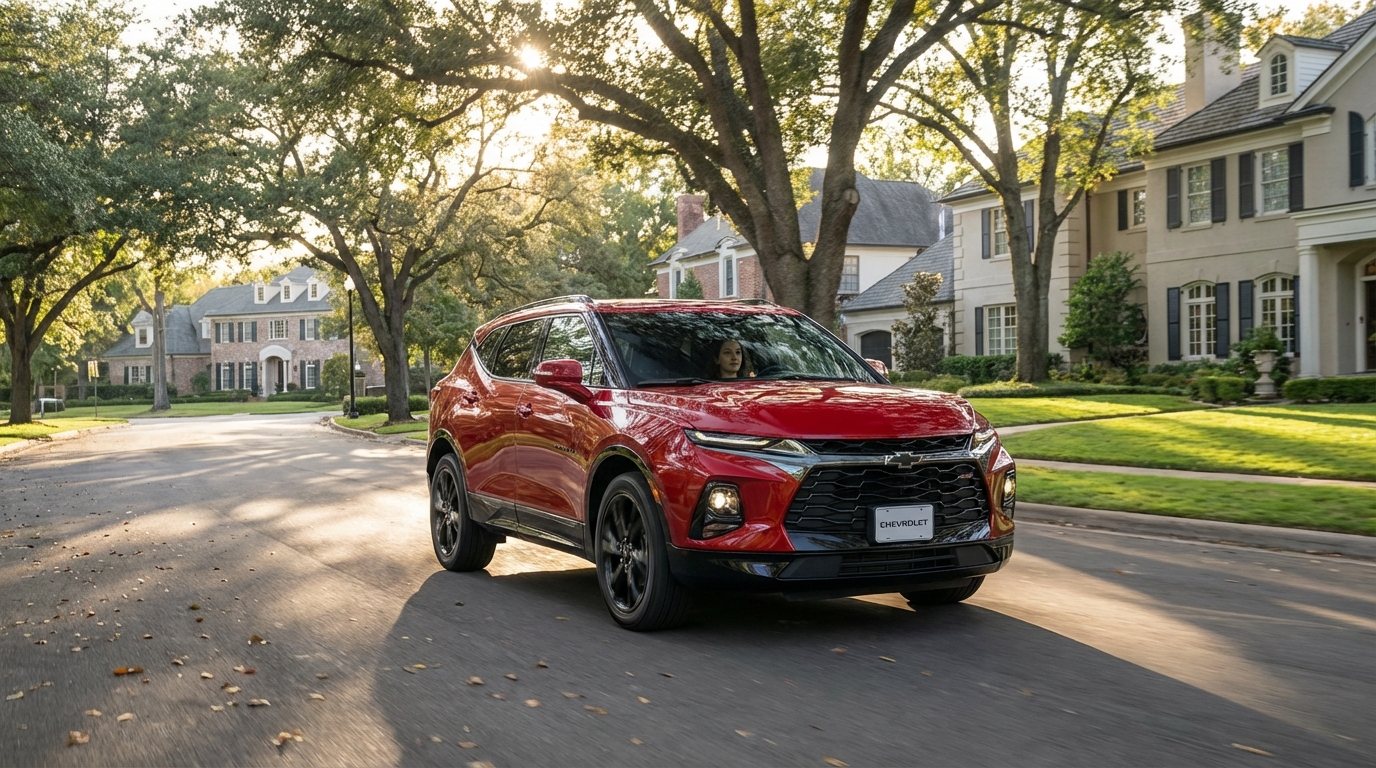
The 2026 Chevrolet Blazer 2LT positions itself as a distinct “style-first” contender in the crowded mid-size crossover market, slotting comfortably between the compact Equinox and the three-row Traverse. Unlike rivals that prioritize boxy utility, the Blazer doubles down on an aggressive, "Camaro-inspired" design language featuring a muscular stance and a dedicated pavement focus. The 2LT trim is widely considered the lineup's volume sweet spot, offering the visual drama of sportier models with a standard 2.0-liter turbocharged engine. While critics praise its sharp exterior and engaging handling, they note that the interior materials and equipment list can feel average compared to value-laden competitors. Ultimately, it appeals to buyers who prioritize curb appeal and driving dynamics over maximum cargo volume.
2. Its Main Competition
In the fierce arena of mid-size two-row crossovers, the 2026 Blazer 2LT faces highly competent rivals like the Ford Edge, Honda Passport, Hyundai Santa Fe, and Nissan Murano. The general consensus is that the Blazer distinguishes itself through aggressive styling and sporty handling, whereas its competitors generally double down on utility or comfort. The Honda Passport serves as the Blazer’s functional opposite, offering a boxy shape with significantly more cargo capacity, while the Hyundai Santa Fe provides superior standard technology and hybrid options at a similar price point. Although the Ford Edge shares the Blazer’s road-focused demeanor, the Chevy offers a fresher, more youthful design. Ultimately, the Blazer carves out a niche as the "driver's car" in a segment of practical haulers, differentiating itself negatively on pure utility but positively on attitude.
3. Its Buyer’s Demographics
The demographic profile for the 2026 Blazer 2LT is distinct from the typical "soccer parent" stereotype associated with larger SUVs, leaning toward style-conscious buyers in their 30s to 50s. Research indicates that these consumers are frequently empty nesters or dual-income households with no children (DINKs) who no longer require the massive cargo capacity of a three-row vehicle. Financially, this target audience falls into the middle to upper-middle-class bracket, with household incomes generally ranging from $75,000 to over $100,000. Psychographically, they seek a compromise between the practical ride height of a crossover and the expressive image of a sports car. These buyers are essentially purchasing a personal reward vehicle, prioritizing aesthetics and front-seat experience over the utilitarian demands of a family carpool.
4. Design
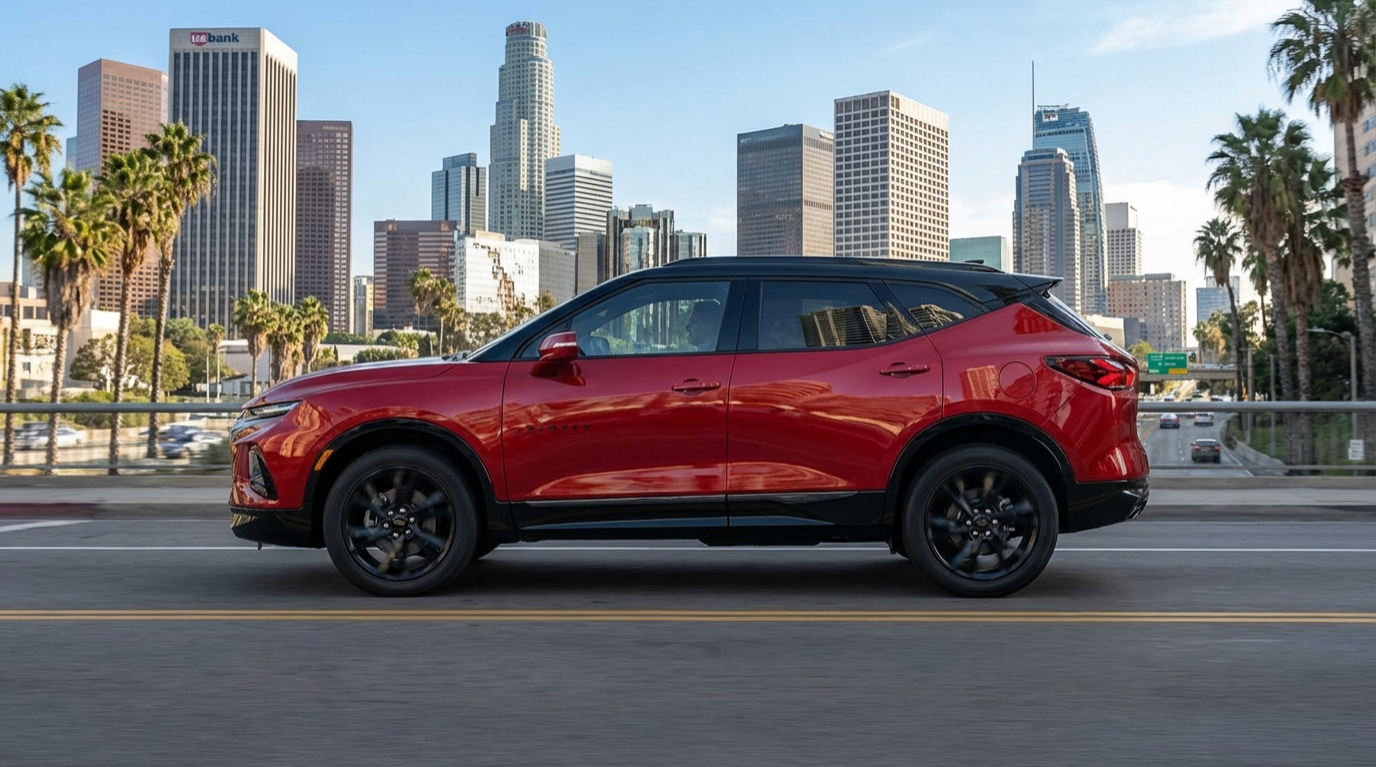
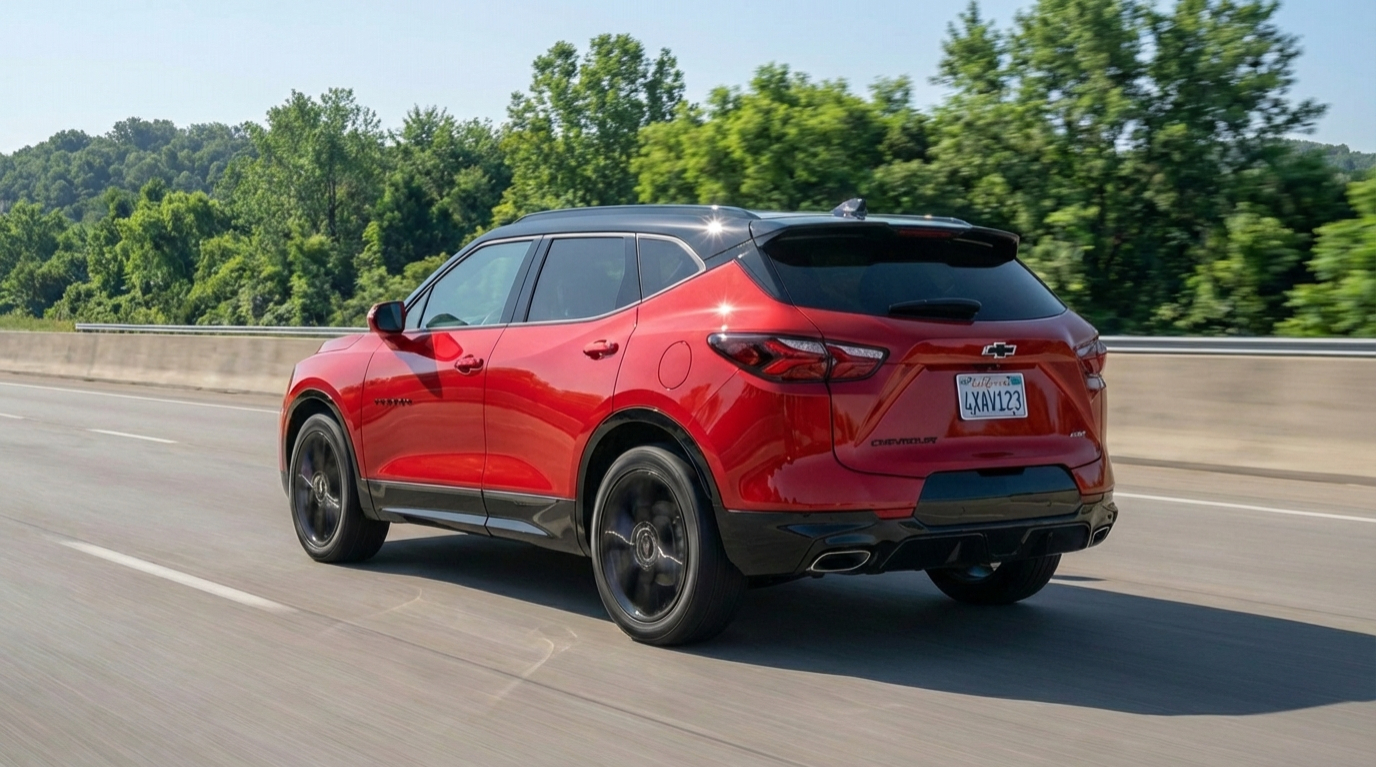
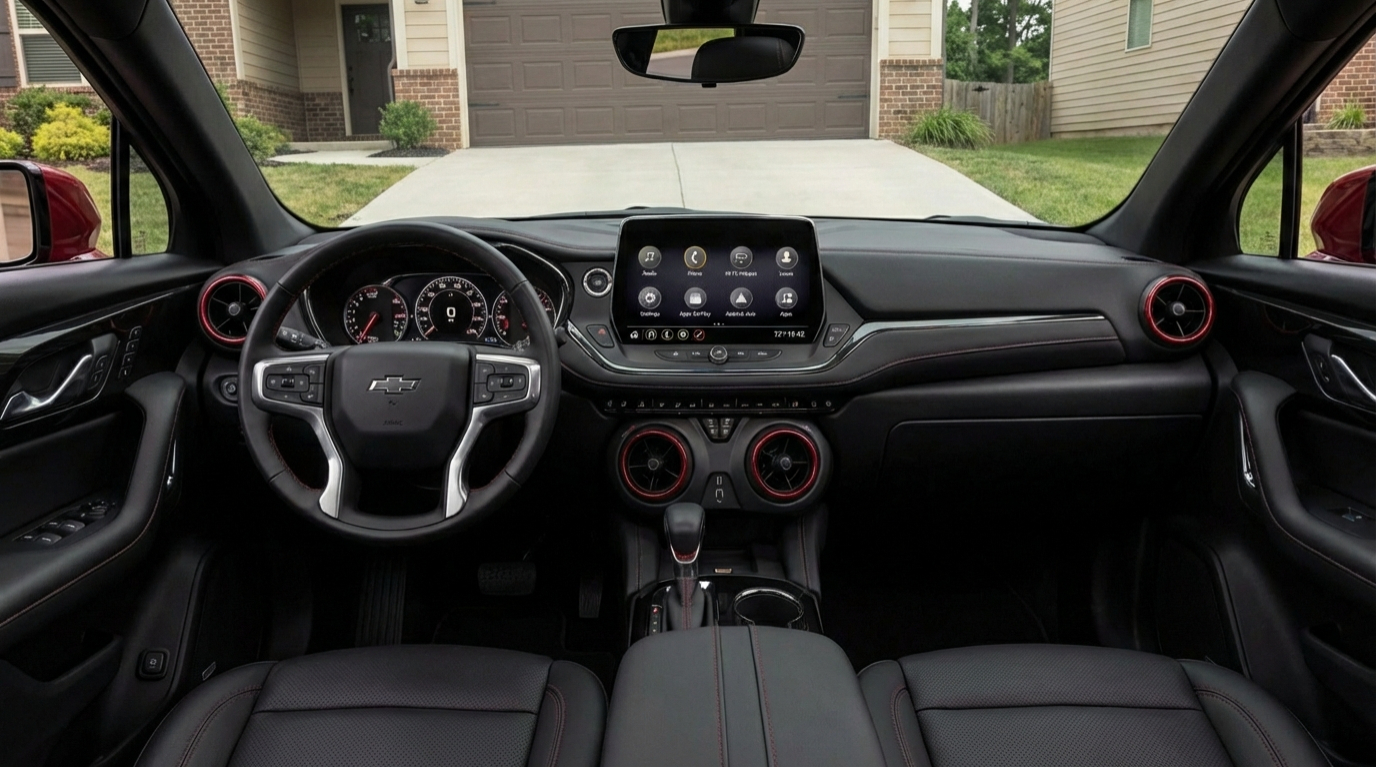
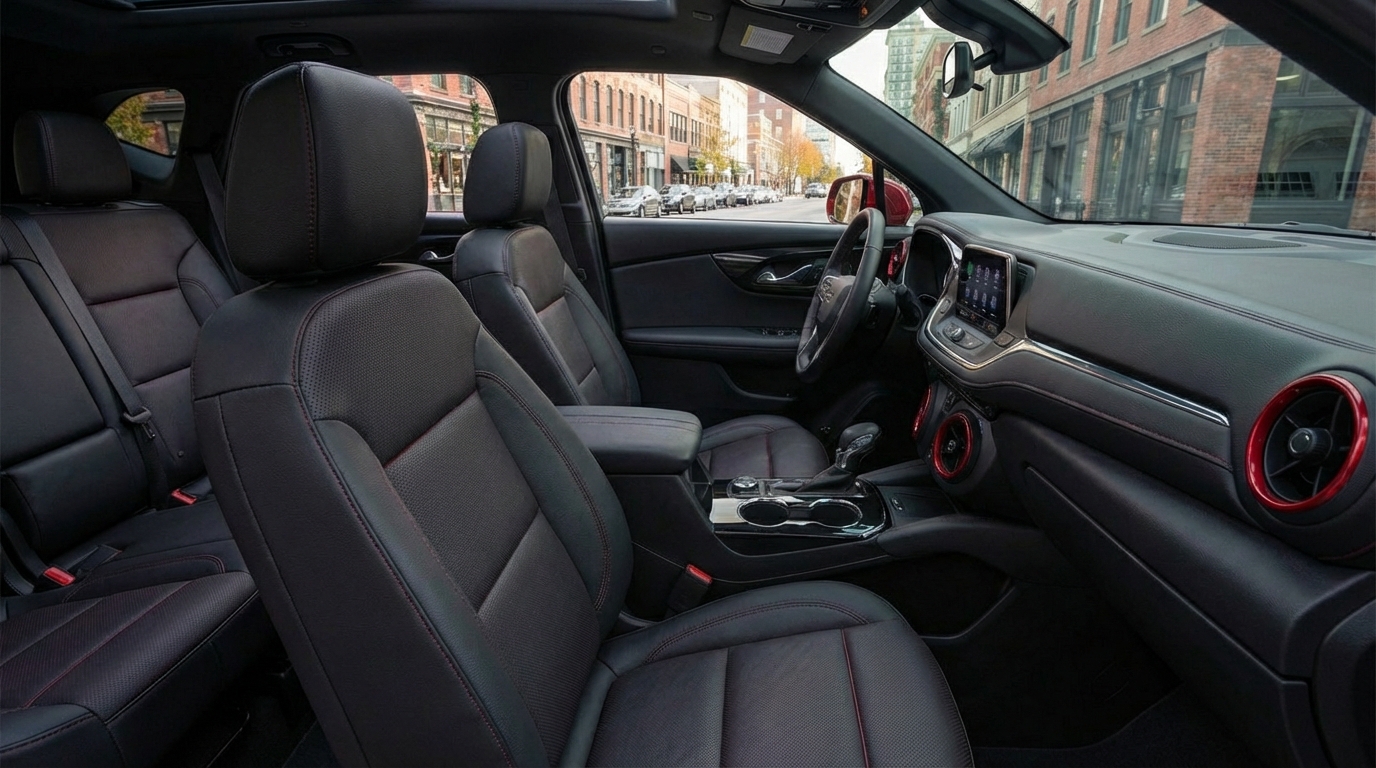
The design of the 2026 Blazer 2LT is unequivocally its primary calling card, dominated by an aggressive, "Camaro-inspired" aesthetic that rejects the boxy shape of traditional crossovers. The exterior features a massive grille, predatory LED running lights, and muscular sheet metal that gives the SUV a fast, planted profile even when parked. Inside, the performance theme continues with a driver-centric cockpit featuring large, circular air vents placed low on the center stack. However, this design-first approach involves compromises, as the high beltline and sloping roofline create significant blind spots and a "bunker-like" cabin feel. Furthermore, while the interior layout looks modern, critics frequently note that the extensive use of hard plastics in the 2LT trim feels less premium than the exterior styling suggests.
5. Interior & cargo room
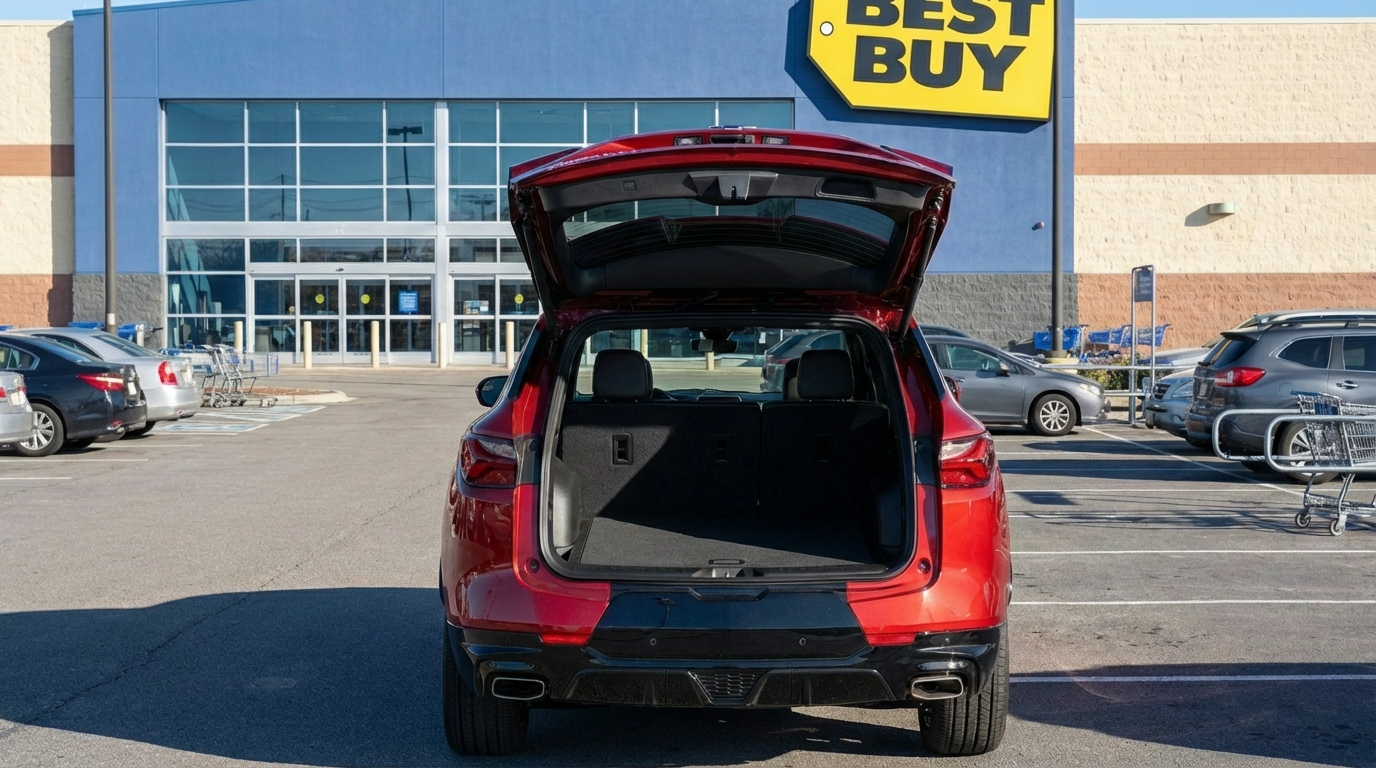
When it comes to interior volume, the 2026 Blazer 2LT is widely characterized as a vehicle that sacrifices maximum space for style. Front-seat passengers enjoy a spacious environment, but the sloping roofline cuts into rear headroom, making the second row feel tighter for tall passengers compared to boxier rivals. The trade-off is most evident in the cargo area, which offers approximately 30.5 cubic feet behind the rear seats and expands to roughly 64 cubic feet when folded. While this capacity handles groceries and luggage adequately, the angled rear glass and high lift-over height prevent the loading of tall, bulky objects that would fit in a Honda Passport. Ultimately, the Blazer is viewed as a comfortable lounge for couples or small families rather than a cavernous hauler.
6. Ergonomics & comfort
The ergonomic experience of the 2026 Blazer 2LT is largely defined by its intuitive, driver-focused design that blends modern tech with physical controls. A standout feature is the climate control interface, which uses large rotary rings surrounding the circular air vents to adjust temperature, allowing drivers to make changes without looking away from the road. Seat comfort is generally rated as good, offering supportive cushions for daily commuting, though the "cockpit" layout can feel snug for larger drivers. However, a major ergonomic compromise is outward visibility; the aggressive exterior styling results in thick rear pillars and small windows, creating significant blind spots. While the driving position is commanding, the physical sightlines are widely considered a weak point compared to the "greenhouse" visibility of boxier competitors.
7. Interior, fit & finish
The interior fit and finish of the 2026 Blazer 2LT is often summarized as a case of style over substance. On the surface, the cabin impresses with a cohesive, modern design and solid assembly quality that generally keeps the vehicle free of rattles and squeaks. However, once users touch the surfaces, the reliance on hard plastics in the lower cabin areas reveals the 2LT’s mainstream positioning. Reviewers frequently note that these materials feel surprisingly cheap given the price point, especially when compared to the softer-touch interiors of rivals like the Hyundai Santa Fe. Additionally, the extensive use of glossy piano black plastic around the infotainment system looks sleek in the showroom but attracts dust and fingerprints immediately, leaving the cabin feeling durable rather than premium.
8. Driver & pass UX
The user experience in the 2026 Blazer 2LT is widely regarding as a strong point, balancing modern technology with functional simplicity. The centerpiece is a responsive 10.2-inch infotainment system running a Google Built-in interface, which is praised for its fast processing speeds and intuitive, smartphone-like layout. Unlike competitors that bury functions in complex sub-menus, Chevrolet has retained physical buttons and knobs for frequently used controls like volume and climate, a decision celebrated for improving safety. Wireless Apple CarPlay and Android Auto are standard and connect reliably, while the native voice control creates a seamless digital environment. Overall, the consensus is that the Blazer 2LT offers a hassle-free, tech-forward environment that prioritizes ease of use over overwhelming gimmicks.
9. Sound system
The audio experience in the 2026 Blazer 2LT is generally described as functional and adequate, but rarely exceptional. The standard six-speaker system performs competently for podcasts and news, offering clear dialogue that remains intelligible even at highway speeds. However, for music lovers, the system reveals its limitations with a lack of bass depth and dynamic range, often sounding thin or muddy when the volume is pushed. While an available premium Bose system corrects these deficits, the default setup is viewed as strictly utilitarian. It gets the job done for the average commuter but falls behind the richer, more immersive standard audio offerings found in some value-focused competitors.
10. Acceleration
The 2026 Blazer 2LT is powered by a 2.0-liter turbocharged four-cylinder engine producing approximately 228 horsepower, mated to a 9-speed automatic transmission. The consensus is that this powertrain provides "peppy" acceleration that makes the Blazer feel eager and responsive in city traffic between 0 and 40 mph. However, its performance is described as middle-of-the-pack on the open highway, where the engine can feel slightly strained during high-speed passing maneuvers. While the transmission generally shifts smoothly during cruising, some reviewers note it can hesitate when sudden power is demanded, and the engine note often becomes coarse near the redline. Overall, the acceleration is competitive for a base-engine crossover, matching the sporty looks in the city but revealing its mainstream roots at higher speeds.
11. Braking
The braking performance of the 2026 Blazer 2LT is widely described as competent and confidence-inspiring, anchoring the vehicle’s sporty aspirations with a solid safety net. In emergency stopping tests, the Blazer delivers stable halts typical for the midsize segment, remaining composed and tracking straight. The subjective feel of the brakes is a specific point of praise; unlike competitors with mushy pedals, the Blazer offers a firm, progressive response that allows for smooth modulation in traffic. While the system exhibits average fade resistance under repeated heavy use, the everyday experience is viewed as a strength, balancing emergency capability with the refinement required for smooth daily driving.
12. Handling
Handling is consistently cited as one of the 2026 Blazer 2LT’s relative strengths, distinguishing it from the "boat-like" feel of many family haulers. The chassis tuning is described as sporty and composed, with a suspension setup that manages body roll significantly better than most direct competitors. Steering is frequently characterized as precise and well-weighted, making the vehicle feel smaller and more agile than it actually is, effectively driving more like a tall sedan than a traditional truck-based SUV. While the turning circle is merely average, the overall stability on sweeping highway ramps gives the driver a genuine sense of control. Ultimately, the Blazer 2LT offers a driving dynamic that is notably more connected and responsive than the segment average.
13. Interior noise
The acoustic experience inside the 2026 Blazer 2LT is a tale of two driving modes: quiet cruising versus vocal acceleration. When the driver asks for power, the 2.0-liter turbocharged engine makes itself known with a coarse, grainy note that feels less refined than smooth V6 competitors. However, once settled into a steady cruise, the cabin environment improves significantly, aided by standard Active Noise Cancellation that suppresses low-frequency drones. Wind noise is generally well-managed, though reviewers note that road noise can be tire-dependent, becoming noticeable on rough concrete. Overall, the interior noise levels are competitive for the class, successfully managing the most fatiguing frequencies provided the driver isn't constantly mashing the throttle.
14. Ride quality
The ride quality of the 2026 Blazer 2LT strikes a deliberate balance between sportiness and comfort, landing largely on the firmer side of the spectrum. Most reviewers describe the ride as controlled and composed; the vehicle settles quickly after bumps rather than floating or wallowing, ensuring the driver feels connected to the road. While this focus on control means it is not as plush as some luxury-leaning rivals, the standard 18-inch wheels on the 2LT trim provide enough sidewall cushion to absorb sharp pothole edges effectively. Consequently, the suspension handles road imperfections with a damped "thud" rather than a jarring crash. It is a setup designed for drivers who prefer stability and limited body motion over absolute, pillow-soft isolation.
15. Driver assist systems
The 2026 Blazer 2LT comes equipped with the "Chevy Safety Assist" suite as standard, a package widely regarded as competent and competitive. Core features include Automatic Emergency Braking and Lane Keep Assist, which are described as effective but "reactive," nudging the car rather than actively centering it with precision. Reviewers emphasize that while the standard list is solid, highly desirable features like Adaptive Cruise Control and blind-spot monitoring are often package-dependent options. Given the Blazer’s significant rear blind spots caused by its aggressive styling, critics consistently cite the blind-spot alert system as a "must-have" addition. When equipped, these systems operate smoothly, meeting industry standards for safety and convenience without being overly intrusive.
16. Mileage
Fuel economy for the 2026 Blazer 2LT is consistently described as "average" or "middle-of-the-pack" for a gas-powered midsize crossover. With the standard 2.0-liter turbo engine, EPA estimates typically hover around 22 mpg in the city and 29 mpg on the highway. While these numbers are competitive against V6-powered rivals like the Honda Passport, the Blazer suffers noticeably in comparisons against the growing number of hybrid competitors that offer significantly higher efficiency. Real-world reports suggest that city mileage can suffer in stop-and-go traffic, often dipping below 20 mpg. The consensus is that the Blazer’s efficiency is acceptable for a conventional SUV of its size, but the lack of a hybrid option is a notable disadvantage for eco-conscious buyers.
17. Safety
The safety narrative for the 2026 Blazer 2LT is generally positive, anchored by a 5-Star Overall Safety Rating from the NHTSA. The vehicle features a solid list of standard protection technology, including automatic braking, which provides a reassuring layer of active safety. However, the platform’s age is becoming apparent in stricter testing by the IIHS; while it generally performs well, it has shown some vulnerability in updated side-impact and moderate overlap evaluations compared to freshly redesigned competitors. Consequently, the consensus is that the Blazer 2LT is a safe choice that meets all federal requirements, but buyers demanding the absolute bleeding edge of crashworthiness might find slightly stronger performers among newer rival designs.
18. Pricing
The pricing strategy for the 2026 Blazer 2LT places it in the contested heart of the mid-size segment, with an MSRP typically ranging from the high-$30,000s to roughly $40,000. At full sticker price, it is often critiqued as being "de-contented" compared to value-laden rivals from Hyundai or Kia, requiring expensive option packages to match their standard equipment. However, market research frequently highlights that the Blazer is a heavily incentivized vehicle, often available with significant rebates and dealer discounts. Because of this, the "real world" transaction price is often much lower than the window sticker suggests. The consensus is that while the Blazer appears overpriced regarding material quality, aggressive incentives make it a competitive entry for those seeking style and performance.
19. Value
The value proposition of the 2026 Blazer 2LT is polarized, largely depending on whether the buyer prioritizes upfront savings or long-term retention. On the retention side, the Blazer is predicted to have average to below-average resale value compared to segment stalwarts like Toyota, facing steeper depreciation curves. However, as a "time-of-purchase" value, the Blazer can be compelling due to frequent manufacturer incentives that allow buyers to drive away in a stylish SUV for thousands less than comparably equipped imports. Additionally, owners often cite an intangible value in the vehicle's "cool factor" and unique aesthetics. The summary view is that the Blazer 2LT is a "deal-dependent" value: excellent if bought with rebates, but questionable if purchased at full sticker price without options.
20. Reliability
Reliability expectations for the 2026 Blazer 2LT are characterized as "average" to "solid," benefiting significantly from a platform and powertrain that have been in production for several years. The 2.0-liter turbo engine and 9-speed transmission are viewed as proven commodities with few reports of catastrophic mechanical failure, meaning the "teething problems" of new models are largely absent. Instead, the most common issues cited by owners are electronic annoyances, such as infotainment glitches or sensor error messages (like the "Shift to Park" issue), rather than powertrain disasters. While it may not match the "bulletproof" reputation of some Japanese competitors, the Blazer ranks comfortably in the middle of the pack. It is considered a low-risk purchase, particularly for buyers who keep the vehicle within the warranty period.
Frequently asked questions about the 2026 Chevrolet Blazer 2LT
Is the 2026 Chevrolet Blazer 2LT worth buying?
The 2026 Chevrolet Blazer 2LT positions itself as a distinct “style-first” contender in the crowded mid-size crossover market, slotting comfortably between the compact Equinox and the three-row Traverse. Unlike rivals that prioritize boxy utility, the Blazer doubles down on an aggressive, "Camaro-inspired" design language featuring a muscular stance and a dedicated pavement focus. The 2LT trim is widely considered the lineup's volume sweet spot, offering the visual drama of sportier models with a standard 2.0-liter turbocharged engine. While critics praise its sharp exterior and engaging handl
How much does the 2026 Chevrolet Blazer 2LT cost?
The 2026 Chevrolet Blazer 2LT is priced at $34,300 – $43,600, before destination, options, and incentives.
What is the fuel economy of the 2026 Chevrolet Blazer 2LT?
The 2026 Chevrolet Blazer 2LT returns 25 MPG combined per published EPA figures.
How this review is produced
moblr meta-reviews are generated by aggregating multiple published expert road tests using AI consensus and sentiment analysis, then read and reviewed by a human editor before publication. Category ratings on the −50 to +50 scale show how each vehicle compares to the average for its segment. Learn more about the moblr review process.