2026 Chevrolet Equinox EV LT1
Consensus at a glance
- Consensus score
- Not yet rated
- Price
- $34,995 – $44,095
- Powertrain
- Electric
- Combined fuel economy
- 108 MPG
- Body type
- suv

title
1. Quick Take
The 2026 Chevrolet Equinox EV LT1 represents General Motors’ attempt to normalize the electric vehicle experience, moving from niche early adopters to the heart of the mass market. Positioned as a volume-oriented successor to the Bolt EUV, this crossover utilizes the dedicated Ultium platform to offer a practical, “meat and potatoes” EV experience. Its primary mission is delivering everyday utility with a range exceeding 300 miles at a price targeting the mid-$30,000s. Crucially, without access to the $7,500 federal tax credit, the LT1 must compete strictly on its MSRP merits and hardware capabilities. Reviewers consistently note that it avoids futuristic gimmicks, aiming instead to be a standard Chevrolet SUV that simply happens to be electric. Ultimately, it serves as a functional choice for pragmatic buyers prioritizing range and dealership accessibility over adrenaline.
2. Its Main Competition
The 2026 Equinox EV LT1 enters a crowded ring, facing heavyweights like the Tesla Model Y, Hyundai Ioniq 5, Kia EV6, Volkswagen ID.4, and Ford Mustang Mach-E. Against the market-leading Model Y, the Equinox competes on a lower entry price and traditional ergonomics, offering physical controls that some drivers prefer over Tesla’s minimalist approach. Comparisons with the Korean Ioniq 5 and EV6 center on charging speeds; while those rivals boast 800-volt architectures for rapid refueling, the Equinox is positioned as a better value for buyers who primarily charge at home. The Chevy often bests the VW ID.4 in infotainment usability and undercuts the sporty Mach-E on price. Ultimately, the LT1 differentiates itself not by being the fastest or flashiest, but by offering the most accessible, long-range "real" SUV experience in the segment.
3. Its Buyer’s Demographics
The demographic profile for the 2026 Equinox EV LT1 shifts away from tech-focused early adopters toward the pragmatic "early majority." Research defines the typical buyer as falling between 35 and 55 years old, often residing in middle-to-upper-middle-class households with incomes ranging from $70,000 to $130,000. These purchasers are budget-conscious but solvent, frequently looking to replace high-mileage gas compact SUVs like the Toyota RAV4 or Honda CR-V to stabilize monthly fuel costs. Geographically, ownership concentrates in suburban areas where home charging is feasible, a critical factor for this value-oriented cohort. Most buyers are married with children or grandchildren, necessitating usable rear-seat utility. Psychographically, they are risk-averse regarding radical design but ready for electrification, seeking a vehicle that offers reliability, warranty coverage, and the safety of a wide dealership network rather than cutting-edge beta features.
4. Design
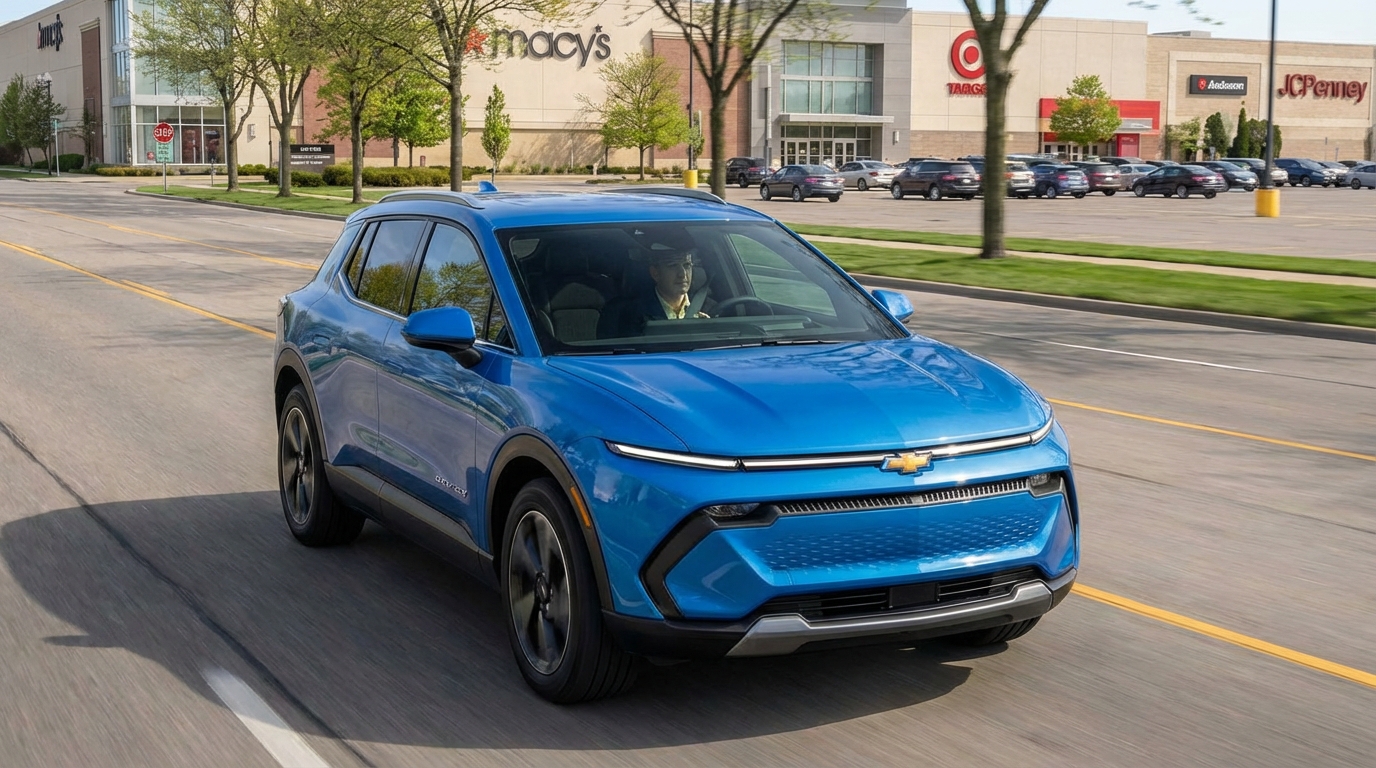
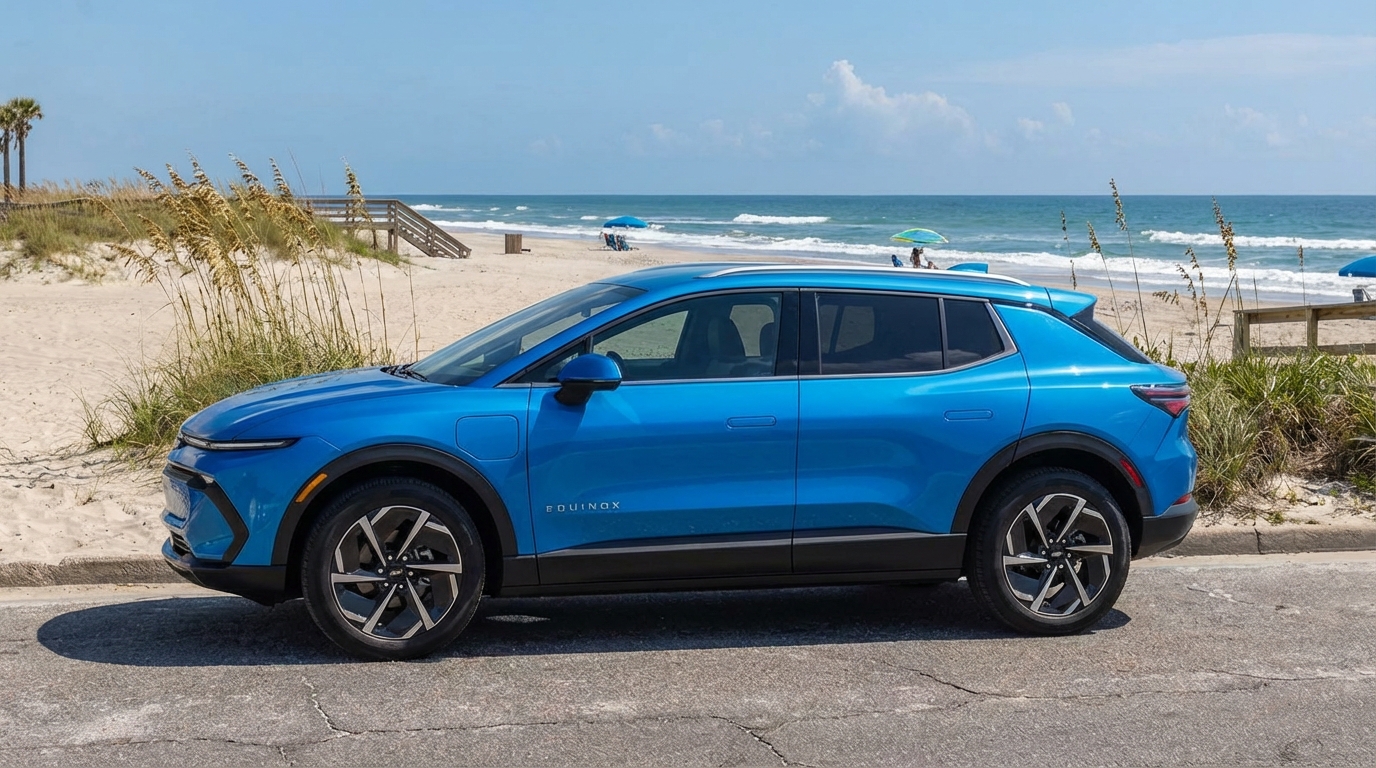
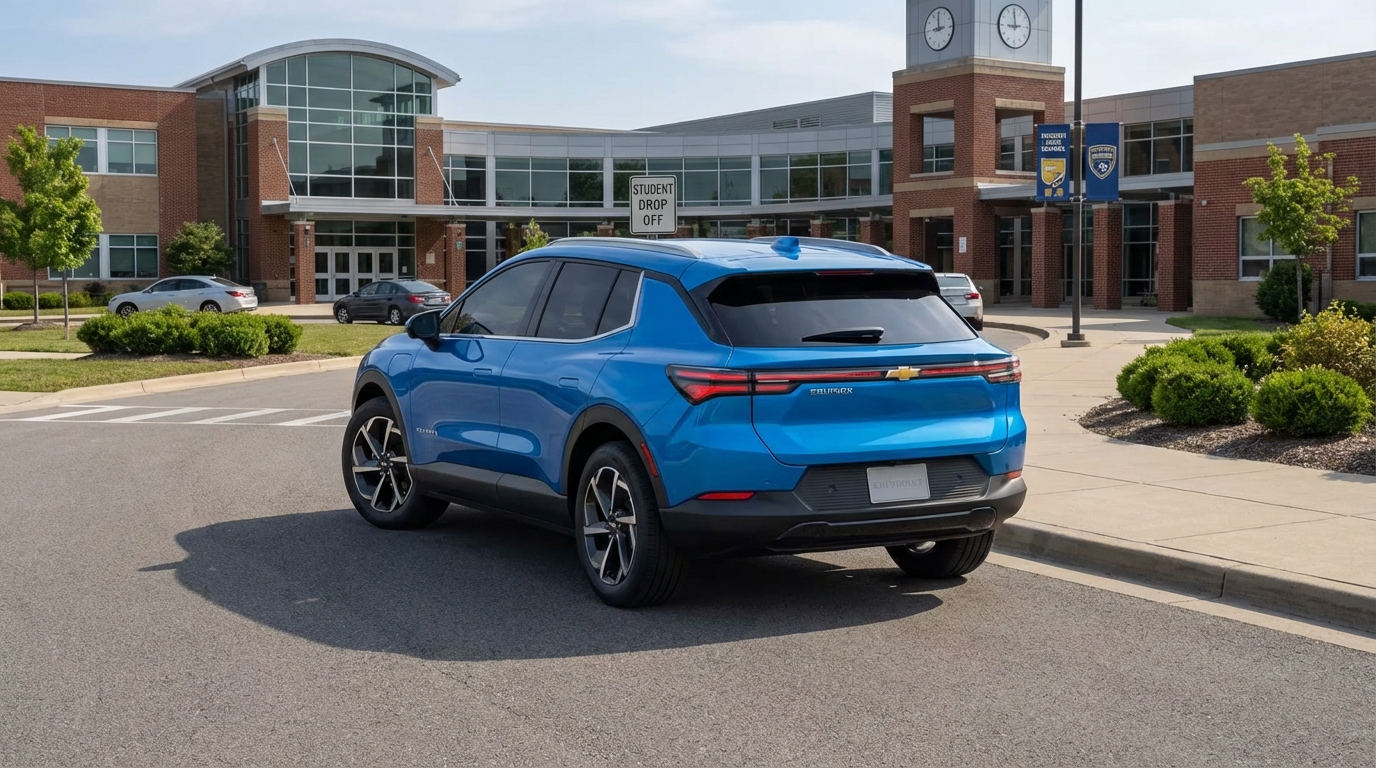
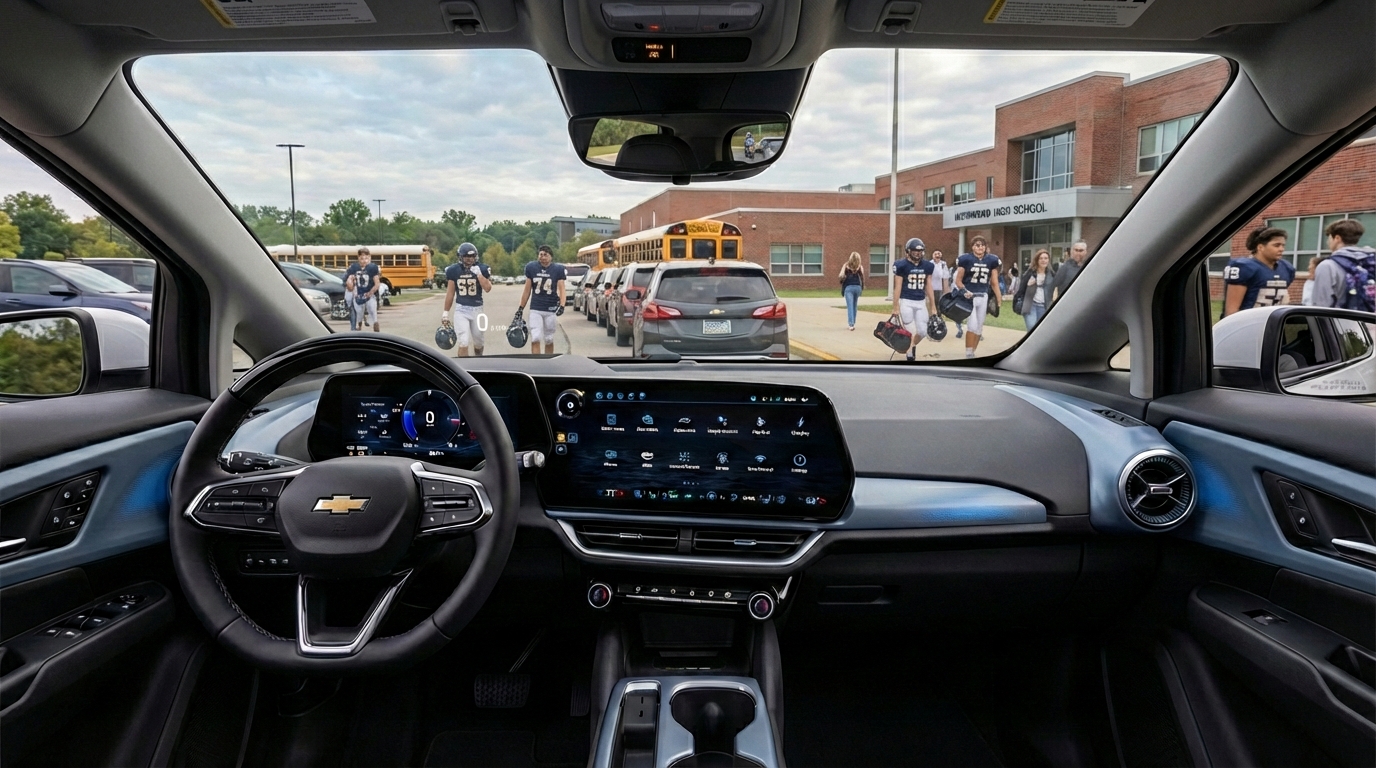
The design ethos of the 2026 Equinox EV LT1 is best described as "deliberately mainstream" with a touch of modern flair. Chevrolet avoids the amorphous shapes of early EVs, delivering a handsome, shark-nosed crossover that looks athletic yet safe. The LT1 trim is visually utilitarian compared to sportier models, lacking two-tone roofs and riding on smaller wheels that prioritize ride comfort over aggression. Inside, the narrative is dominated by a massive 17.7-inch infotainment touchscreen merged with an 11-inch driver display, a "screen-forward" approach that elevates the cabin's perceived value. However, reviewers note the juxtaposition of this high-tech interface with budget-conscious hard plastics on the lower dash and doors. Overall, the design succeeds in making the Equinox EV feel like a modern car rather than a spaceship, fitting comfortably into the school drop-off line.
5. Interior & Cargo Room
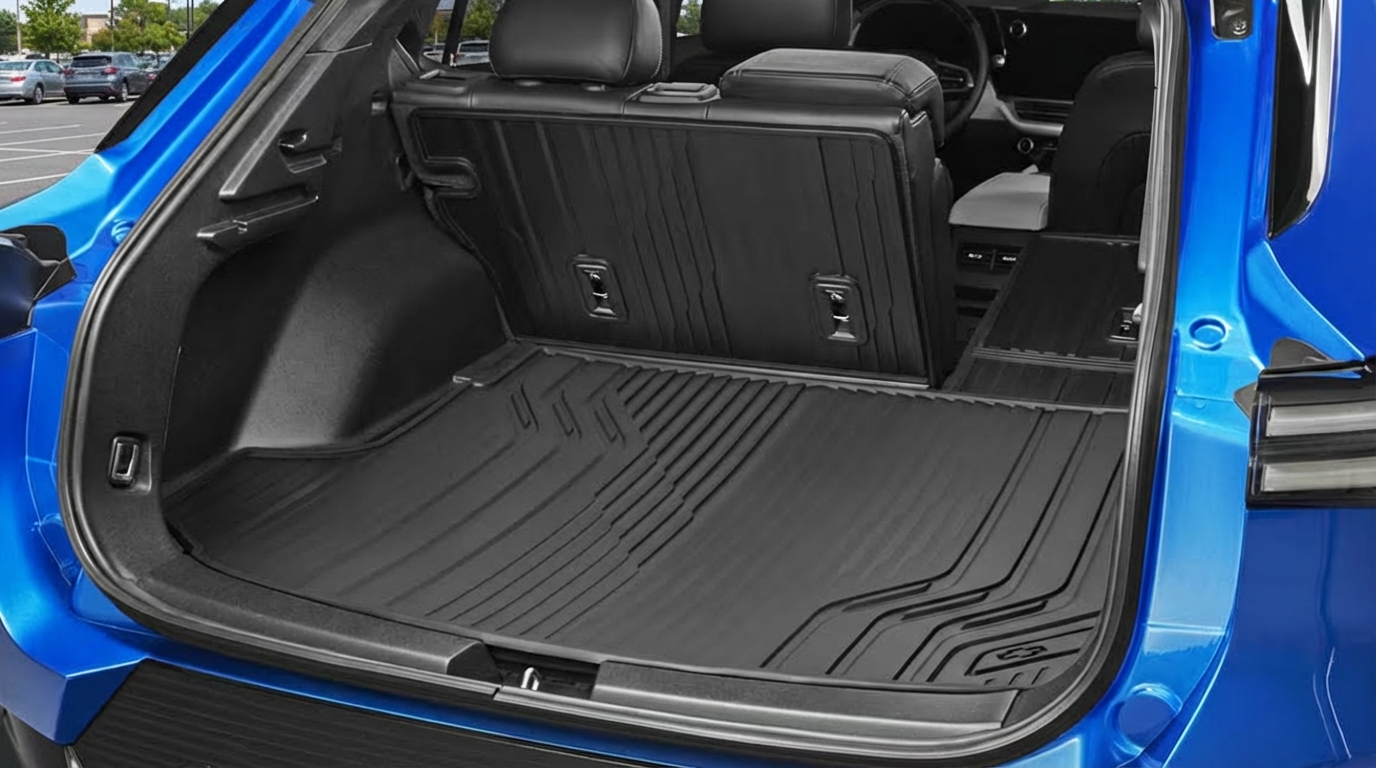
The 2026 Equinox EV LT1 is consistently praised for an airy, spacious cabin that punches above its weight class, benefiting from the flat floor of the Ultium platform. Front passengers enjoy generous headroom, while rear legroom is adult-friendly, though the battery pack raises the floor, creating a slight "knees-up" seating position that may compromise thigh support on long trips. Cargo capacity is competitive for families, offering roughly 26 cubic feet behind the rear seats and expanding to 57 cubic feet with seats folded. While this trails the cavernous Tesla Model Y, the deep sub-floor storage bin provides excellent utility for charging cables, partially compensating for the lack of a front trunk ("frunk"). Ultimately, the interior packaging successfully delivers the practical utility expected of a crossover, despite some compromises necessitated by the electric architecture.
6. Ergonomics & Comfort
The ergonomic approach of the 2026 Equinox EV LT1 is widely regarded as sensible, minimizing the "future shock" often associated with new EVs. A significant advantage is the retention of physical controls for volume and climate, a decision universally praised for reducing driver distraction compared to menu-heavy rivals. The driving position is easy to dial in, with large digital displays angled toward the driver, though high beltlines and thick pillars create notable blind spots that necessitate reliance on cameras. Comfort in the LT1 is dictated by its entry-level status; the cloth seats are supportive enough for commuting but lack the bolstering of sportier trims. While storage is plentiful, including a floating center console, some quirky choices remain, such as headlight controls relocating to the touchscreen. Overall, the vehicle prioritizes low-stress usability over avant-garde design.
7. Interior, Fit & Finish
The consensus on the 2026 Equinox EV LT1’s interior quality is summarized as visually impressive technology wrapped in budget-conscious materials. Upon entry, the expansive screens and turbine-style air vents create a premium first impression that exceeds typical base-model expectations. However, to achieve its aggressive price point, Chevrolet utilizes hard, textured plastics on the lower dashboard and door panels, which lack the soft-touch refinement of higher trims. Reviewers also note the generous use of gloss black plastic, which attracts dust and fingerprints. Despite these material compromises, assembly quality receives high marks; panel gaps are consistent, and the cabin is largely free of squeaks and rattles. Buyers appear willing to trade plush dashboard toppers for class-leading screen real estate and EV range, accepting that the LT1 represents a value play rather than a luxury experience.
8. Driver & Pass UX
The user experience in the 2026 Equinox EV LT1 is defined by excellent native software clashing with a controversial omission. The massive 17.7-inch touchscreen running Google Built-In is universally praised for its clarity, responsiveness, and sophisticated EV routing that accurately predicts state-of-charge. However, GM’s decision to remove Apple CarPlay and Android Auto phone projection is a significant friction point, forcing users to abandon familiar ecosystems for the vehicle's native apps. While the Google Assistant offers superior voice control for climate and navigation, the inability to mirror a phone screen disrupts the digital continuity many drivers expect. On the plus side, the digital instrument cluster is highly legible and customizable. Ultimately, the UX is powerful and fluid for those willing to adapt to GM's rules, but it represents a frustrating step backward for die-hard smartphone projection users.
9. Sound System
The audio experience in the 2026 Equinox EV LT1 is characterized as "commuter adequate," reflecting the vehicle's position as a value entry. Equipped with a basic, unbranded six-speaker system, it performs reliably for spoken-word content like podcasts and news, rendering vocals with good clarity. However, the system exposes its limitations when playing dynamic music; the lack of a dedicated subwoofer results in a sound profile that is thin on bass and narrow in soundstage. At higher volumes, distortion can creep in, and the equalizer settings are too basic to compensate for the hardware's lack of dynamic range. While the Google Built-In interface makes streaming convenient, the audio output is strictly functional. It provides effective background noise for the daily grind but will likely disappoint audiophiles or those accustomed to the branded systems found in premium competitors.
10. Acceleration
The 2026 Equinox EV LT1 delivers performance best described as "pleasantly sufficient," tuned for efficiency rather than adrenaline. With a single-motor front-wheel-drive setup producing approximately 220 horsepower, the vehicle offers characteristic EV zip off the line, making it responsive in city traffic. However, the 0–60 mph sprint takes roughly 7.7 to 8.0 seconds, which is average for the segment and noticeably slower than dual-motor rivals like the Tesla Model Y. Highway passing power is adequate but tapers off at higher speeds as the motor works against the vehicle's weight. Traction management is calibrated for stability and smoothness, avoiding jerky reactions to ensure passenger comfort. While it feels faster than a gas-powered Equinox due to instant torque, the LT1 is definitively designed for composed commuting rather than high-performance excitement.
11. Braking
Braking performance in the 2026 Equinox EV LT1 is considered competent and confidence-inspiring, fitting the profile of a safe family crossover. Emergency stopping distances from 60 mph fall in the 125–130 foot range, which is average for the class and reflects the significant mass of the battery-laden vehicle. The standout feature is Chevrolet’s implementation of "One-Pedal Driving," which is highly praised for its smooth calibration, allowing drivers to stop solely by lifting off the accelerator. However, feedback on the physical brake pedal is mixed; some describe the blended transition between regenerative slowing and mechanical biting as slightly "wooden" or artificial. Despite these tactile quirks, the system is reliable, and the regenerative features offer a significant convenience upgrade over traditional braking for daily urban driving.
12. Handling
Handling in the 2026 Equinox EV LT1 is tuned for "composed predictability," prioritizing stability over agility. On the highway, the low center of gravity provided by the floor-mounted battery keeps the vehicle planted and secure, resisting crosswinds effectively. Steering effort is light, making low-speed maneuvers and parking easy, though feedback is described as numb, offering little engagement for enthusiasts. In corners, the vehicle exhibits safe, progressive body roll and predictable understeer when pushed, signaling the driver to back off rather than encouraging spirited driving. The turning circle is tight enough for urban environments, allowing the car to drive "smaller" than it looks. Ultimately, the LT1 handles exactly as its target demographic desires: it is safe, stable, and easy to drive, favoring a relaxed commute over canyon-carving prowess.
13. Interior Noise
The 2026 Equinox EV LT1 earns high marks for cabin quietness, leveraging the inherent advantages of electrification to create a serene environment. Without internal combustion vibration, low-speed driving and city acceleration are described as almost silent, a major upgrade for buyers transitioning from gas vehicles. At highway speeds, the noise floor rises as wind noise around the side mirrors and pillars becomes audible, along with some tire roar on coarse pavement. However, the standard active noise cancellation helps mitigate low-frequency drones, keeping the cabin quiet enough for conversations at normal volumes. While it may not achieving the total isolation of a luxury vehicle, the consensus is that the Equinox EV feels more premium than its price tag suggests, effectively dulling the sharp edges of the auditory environment for a relaxing commute.
14. Ride Quality
The ride quality of the 2026 Equinox EV LT1 is distinctly comfort-oriented, benefiting significantly from its weight and tire setup. On the highway, the vehicle feels "substantial" and planted, smoothing out long undulations with a confident damping action that avoids floatiness. In the city, the LT1 typically utilizes 19-inch wheels with generous tire sidewalls, providing a primary layer of cushioning that absorbs small imperfections better than sportier trims. However, the suspension tuning must manage the heavy battery, necessitating stiffer springs that can transmit a noticeable "thump" or jitter into the cabin over sharp, square-edged potholes. Despite these occasional intrusions, the overall ride creates a sense of insulation and security; it successfully filters out the majority of road harshness, making for a smooth, fatigue-free daily driver.
15. Driver Assist Systems
The 2026 Equinox EV LT1 comes equipped with the "Chevy Safety Assist" suite as standard, a critical component of its value proposition. This package provides essential protections including Automatic Emergency Braking, Forward Collision Alert, and Lane Keep Assist. Reviewers find the systems generally reliable, though the Lane Keep function is described as reactive—nudging the car away from lines—rather than actively centering it like the optional Super Cruise system, which is typically absent on this base trim. Given the vehicle’s thick pillars and high beltline, features like Blind Zone Steering Assist and Rear Cross Traffic Braking are frequently cited as essential for daily operation. Overall, the ADAS suite is viewed as robust and competitive, offering high utility and safety without forcing the driver to navigate complex menus to keep the car on the road.
16. Mileage
In terms of electric capability, the 2026 Equinox EV LT1 tells a strong story of range triumph tempered by average charging speed. The headline figure is the EPA-estimated range of approximately 319 miles for the front-wheel-drive model, a specification that matches or exceeds many pricier rivals like the Mustang Mach-E and Ioniq 5. However, charging speeds peak at 150 kW due to the vehicle's 400-volt architecture; while this adds about 70 miles in 10 minutes, it lags significantly behind the blazing-fast 800-volt systems found in Korean competitors. Consequently, the Equinox is positioned as an ideal choice for owners who can charge at home overnight, where the range is sufficient for days of driving. While access to the Tesla Supercharger network boosts practicality, the LT1 prioritizes how far you can go on a charge over how fast you can fill it back up.
17. Safety
Safety coverage for the 2026 Equinox EV LT1 combines robust structural engineering with strong standard technology. Built on the Ultium platform, the vehicle benefits from a rigid battery integrated into the chassis, providing a low center of gravity that reduces rollover risk. While specific crash ratings should be verified at purchase, early indicators suggest strong performance. Crucially, the "Chevy Safety Assist" package ensures even base-model buyers receive Automatic Emergency Braking and Forward Collision Alert. The primary safety criticism revolves around visibility; the high beltline and thick pillars create significant blind spots, making the standard Blind Zone Steering Assist and rear cross-traffic alerts not just convenient, but essential. Overall, the Equinox EV LT1 is viewed as a safe vault for families, provided drivers utilize the sensor suite to mitigate sightline limitations.
18. Pricing
The pricing strategy of the 2026 Equinox EV LT1 is its most aggressive competitive lever. With a starting MSRP hovering around $35,000, it undercuts almost every major competitor in the 300-mile range class, including the Tesla Model Y and VW ID.4. This price point is designed to bring budget-conscious shoppers into the EV fold. However, a critical factor is the loss of the $7,500 federal tax credit for this specific vehicle in the U.S. market, meaning it must compete entirely on its sticker price and dealer incentives. While reviewers caution buyers to watch for dealer markups and "option creep" that can erode the value advantage, the consensus is that the LT1 represents one of the lowest financial barriers to entry for a capable, modern electric crossover, essentially offering EV technology for the price of a mid-spec gas SUV.
19. Value
The value proposition of the 2026 Equinox EV LT1 is widely considered a "bang for your buck" champion at the time of purchase. Buyers receive a full-size crossover cabin, over 300 miles of range, and modern screen technology for a price that significantly undercuts the competition. For those who charge at home, it offers nearly the utility of a Model Y for much less money. However, long-term value is viewed with caution due to the steep depreciation trends common among domestic EVs and rapid tech obsolescence. Analysts suggest the LT1 is best viewed as a "buy and hold" vehicle; while the savings on gas and maintenance make it a financial winner over a decade, short-term ownership could be costly due to resale value volatility compared to hybrid alternatives.
20. Reliability
As a relatively new model on the Ultium platform, the long-term reliability of the 2026 Equinox EV LT1 is a developing picture, though mechanically the outlook is positive. The electric powertrain has far fewer moving parts than internal combustion engines, reducing potential points of failure. However, early reports and owner forums highlight software as the primary "gray area," with glitches affecting the infotainment screens and Google Built-In system being common complaints. A significant advantage for the Equinox EV is the vast Chevrolet dealer network; unlike startup brands, owners have access to thousands of service points for warranty support. The consensus is that while the vehicle may experience digital teething pains requiring software updates, the fundamental hardware is solid, offering a generally reliable ownership experience backed by extensive infrastructure.
Frequently asked questions about the 2026 Chevrolet Equinox EV LT1
Is the 2026 Chevrolet Equinox EV LT1 worth buying?
The 2026 Chevrolet Equinox EV LT1 represents General Motors’ attempt to normalize the electric vehicle experience, moving from niche early adopters to the heart of the mass market. Positioned as a volume-oriented successor to the Bolt EUV, this crossover utilizes the dedicated Ultium platform to offer a practical, “meat and potatoes” EV experience. Its primary mission is delivering everyday utility with a range exceeding 300 miles at a price targeting the mid-$30,000s. Crucially, without access to the $7,500 federal tax credit, the LT1 must compete strictly on its MSRP merits and hardware capa
How much does the 2026 Chevrolet Equinox EV LT1 cost?
The 2026 Chevrolet Equinox EV LT1 is priced at $34,995 – $44,095, before destination, options, and incentives.
What is the fuel economy of the 2026 Chevrolet Equinox EV LT1?
The 2026 Chevrolet Equinox EV LT1 returns 108 MPG combined per published EPA figures.
How this review is produced
moblr meta-reviews are generated by aggregating multiple published expert road tests using AI consensus and sentiment analysis, then read and reviewed by a human editor before publication. Category ratings on the −50 to +50 scale show how each vehicle compares to the average for its segment. Learn more about the moblr review process.