2026 Hyundai Kona SEL Sport
Consensus at a glance
- Consensus score
- Not yet rated
- Price
- $25,500 – $34,150
- Powertrain
- Gasoline
- Combined fuel economy
- 31 MPG
- Body type
- suv
title
1. Quick Take
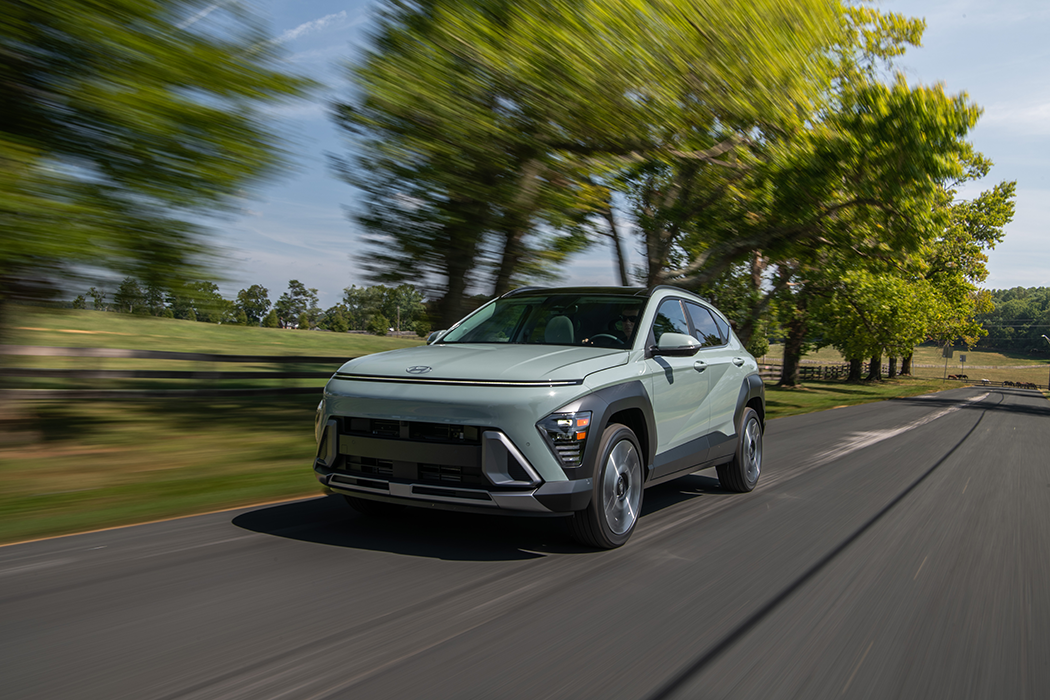
The 2026 Hyundai Kona SEL Sport (FWD) is a stylish subcompact crossover that positions itself as a value-forward, tech-heavy choice in a competitive segment. Its primary differentiator is its bold, futuristic exterior design paired with a modern, screen-centric interior that feels more premium than its price suggests. The vehicle is aimed at practical daily drivers, including younger shoppers and older downsizers, who want versatility without the size of a larger SUV. The powertrain prioritizes smooth, adequate performance for city commuting and efficiency over raw power, which some find unexciting. While praised for its generous feature set and a cabin that feels surprisingly spacious for its class, common criticisms center on a ride that can feel firm over rough roads and some noticeable interior road noise, which is typical for this value-oriented category.
2. Its Main Competition
The Kona SEL Sport (FWD) contends with a formidable group of subcompact crossovers, most notably the Honda HR-V, Toyota Corolla Cross, Mazda CX-30, Subaru Crosstrek, and its corporate cousin, the Kia Seltos. It distinguishes itself from the more conservative HR-V and Corolla Cross with a significantly bolder design and a more technologically advanced interior. Against the Mazda CX-30, the Kona offers superior passenger and cargo space, though the Mazda provides a more premium cabin feel and sportier driving dynamics. The primary difference with the Subaru Crosstrek is its purpose; the Crosstrek’s standard all-wheel drive and rugged persona contrast with the Kona’s urban-focused FWD agility. Compared to the Kia Seltos, it offers a similar value proposition but with a distinct styling direction and different feature packaging that lets buyers choose based on personal taste.
3. Its Buyer’s Demographics
Buyers of the 2026 Kona SEL Sport are typically practical, value-conscious individuals who still prioritize modern design and technology. The demographic is notably split between two main groups: younger professionals, often in their late 20s to early 40s buying their first new car, and older downsizers looking for an easier-to-manage vehicle. These buyers generally fall into the middle-income bracket and are often college-educated. The Kona appeals to smaller households, including singles, couples, or families with one child, who live in urban or suburban areas where its compact footprint is an advantage. These shoppers are drawn to its high seating position and crossover versatility but don't require the space or expense of a larger SUV, making it an ideal choice for their lifestyle.
4. Design
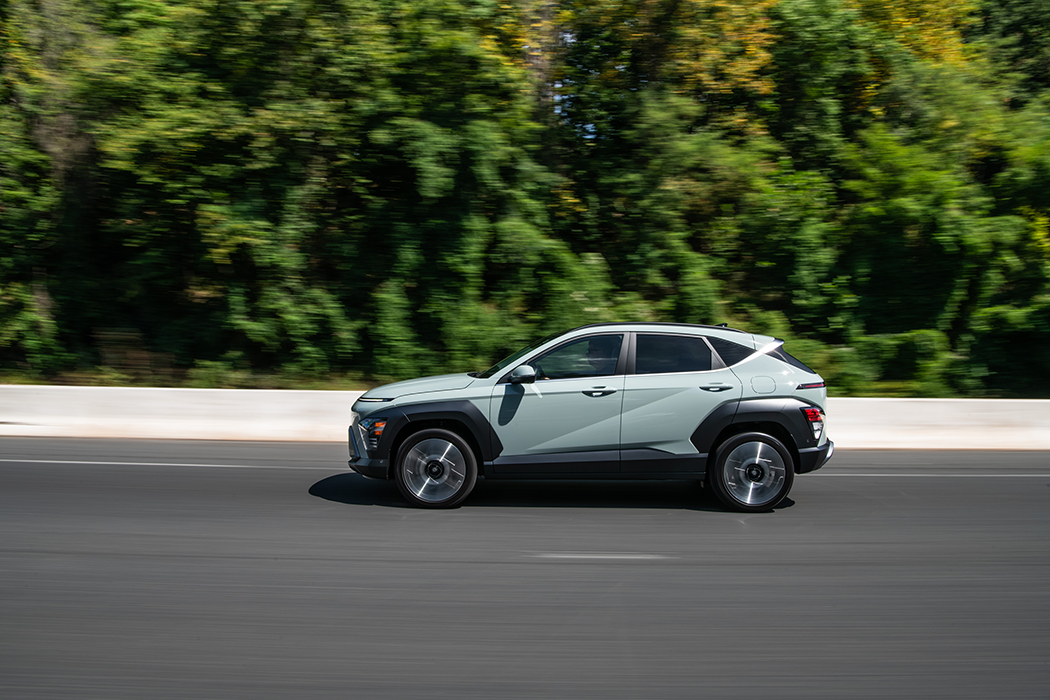
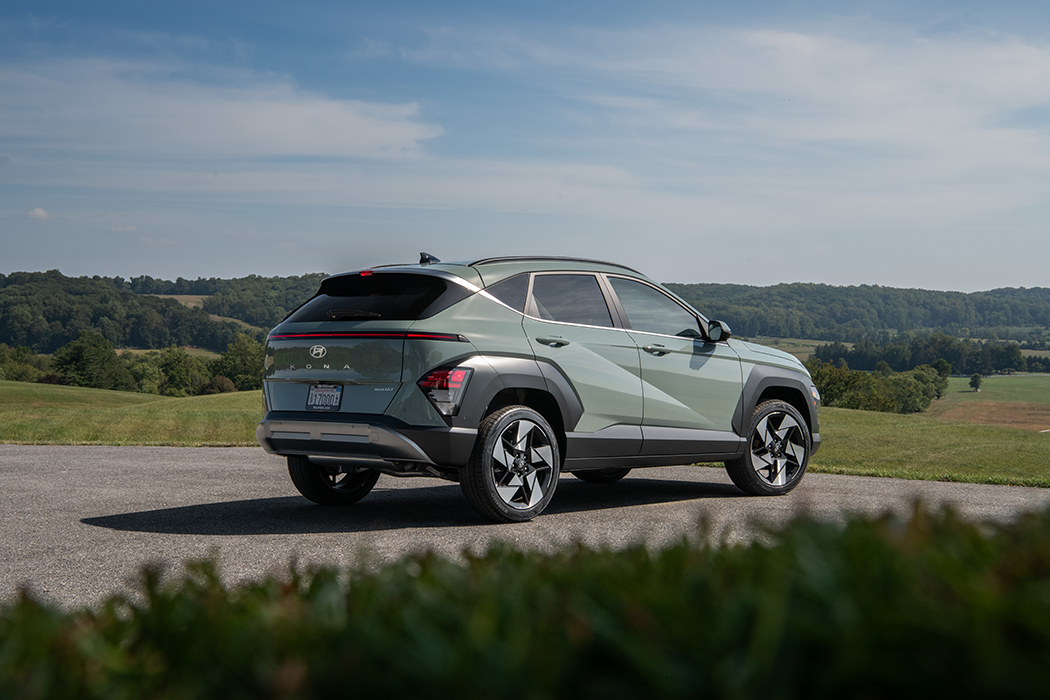
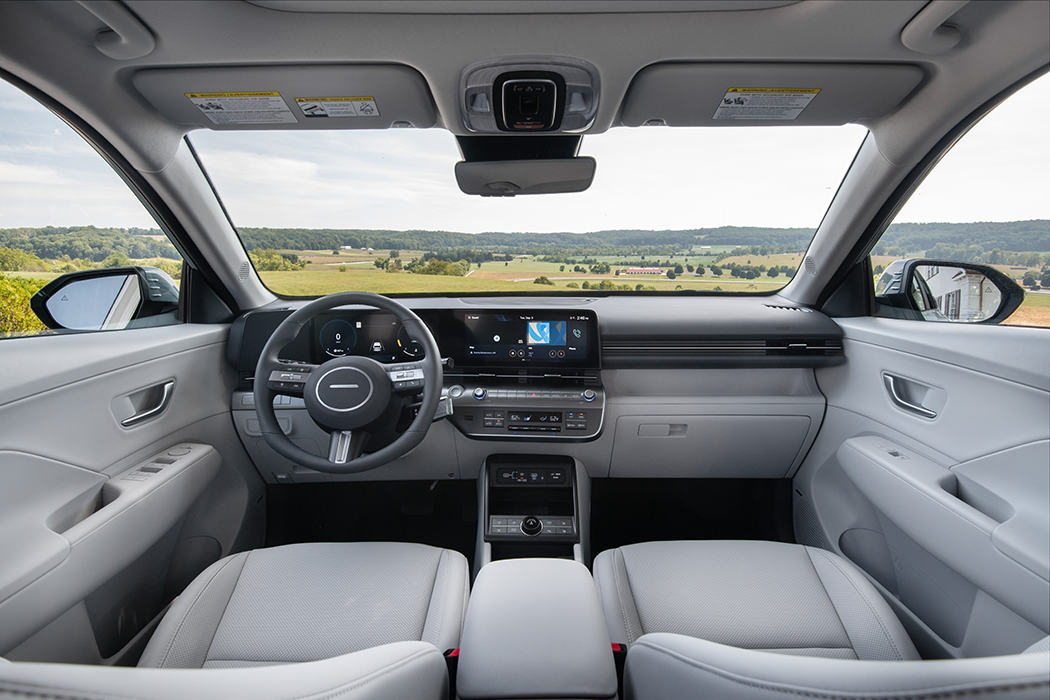
The design of the 2026 Kona SEL Sport is one of its most defining characteristics, featuring a bold, futuristic aesthetic that stands out. The exterior is marked by a distinctive, full-width LED light bar and sharp, angular body creases that give it a unique and polarizing road presence. The SEL Sport trim enhances this with sportier accents and unique wheels. Inside, the cabin continues the modern theme with a clean, horizontal dashboard dominated by a large, dual-screen panoramic display that integrates the instrument cluster and infotainment. This tech-forward approach gives the interior a contemporary and upscale feel for its class. The overall design successfully meets the expectations of buyers looking for a vehicle with a strong, expressive personality that avoids the anonymous look of many class rivals.
5. Interior & cargo room
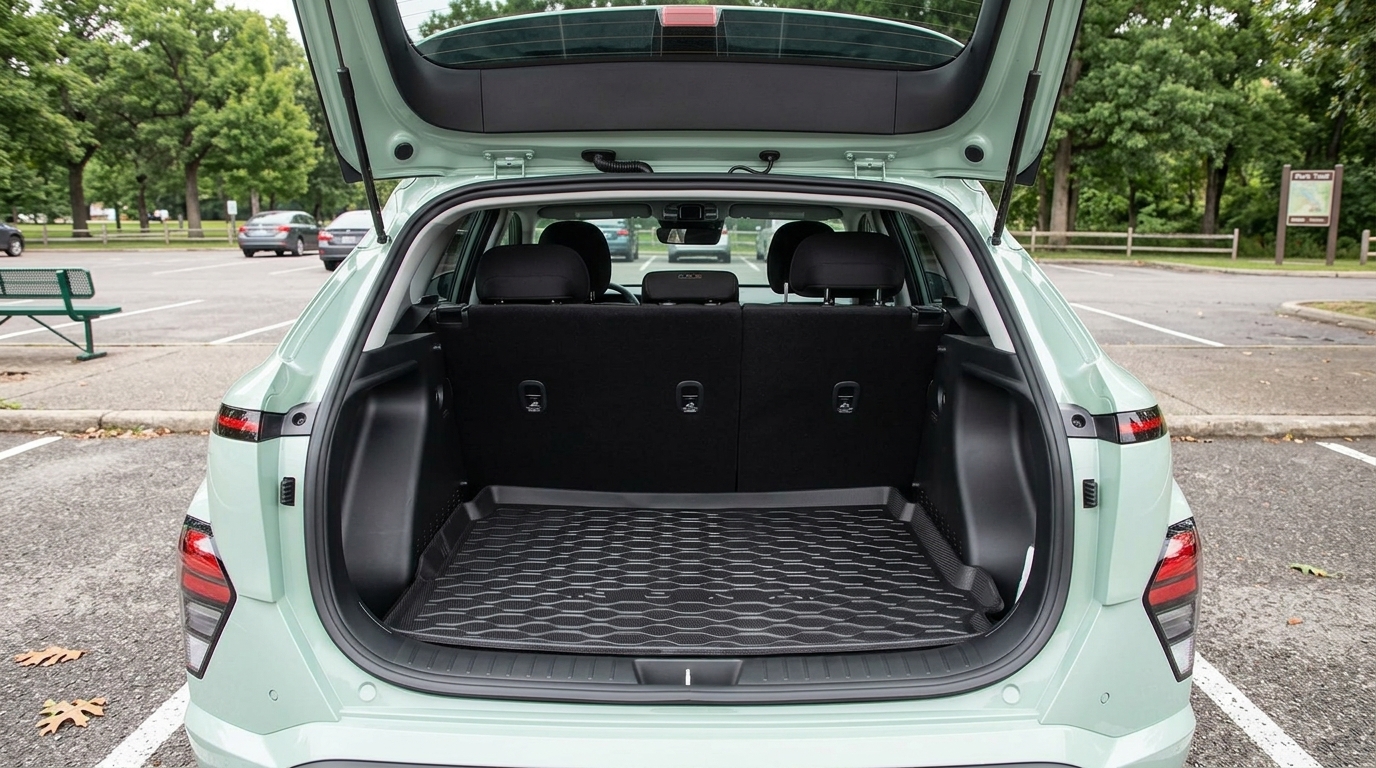
The 2026 Kona SEL Sport is a masterclass in packaging efficiency, offering an interior that feels remarkably spacious for the subcompact segment. It provides generous rear-seat legroom that is more accommodating for adult passengers than many competitors, including the notably tighter Mazda CX-30. Cargo capacity is another significant strength, with approximately 25.5 cubic feet of space behind the rear seats, expanding to over 63 cubic feet when folded. This places it among the most utilitarian options in its class. Loading is made easy by a wide hatch opening and a low lift-over height. While the rear seats do not fold completely flat, the available dual-level cargo floor provides useful underfloor storage, further enhancing its impressive practicality and making it feel larger than its exterior dimensions suggest.
6. Ergonomics & comfort
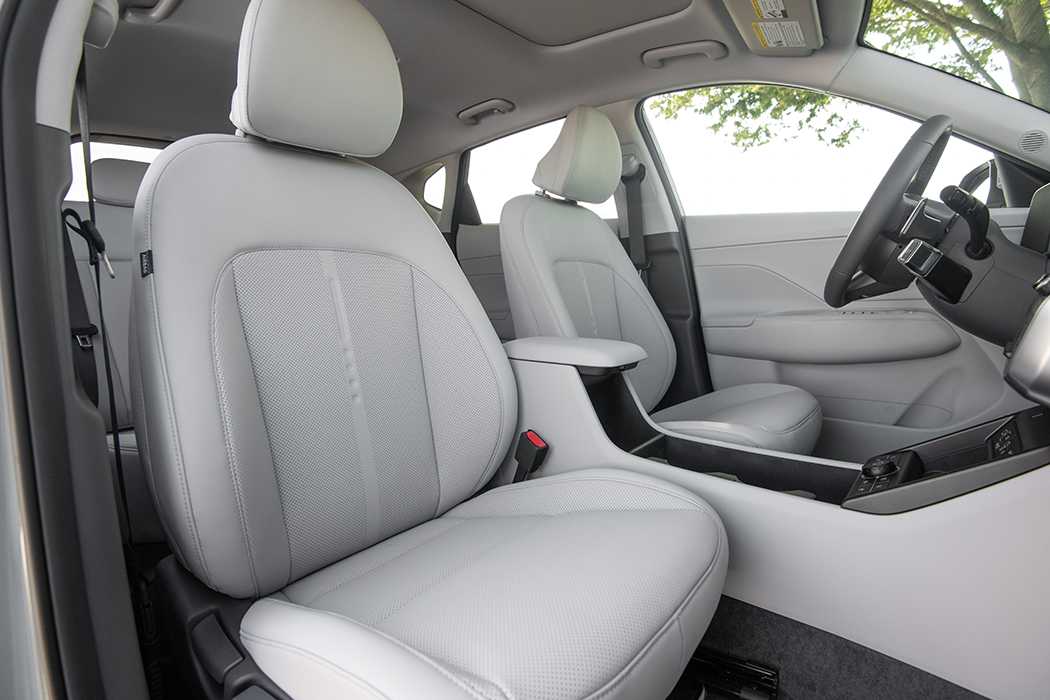
The Kona SEL Sport’s cabin is designed with thoughtful ergonomics, placing key controls within easy reach for a user-friendly driving experience. The front seats are widely considered supportive and comfortable for daily commutes, though the rear bench is noted for being firmer and less ideal for long journeys. A major strength is interior storage, with generously sized door pockets, a versatile center console, and ample cupholders. Forward visibility is excellent, but like many modern crossovers, the design incorporates thick rear C-pillars that create noticeable blind spots, making the standard blind-spot monitoring system a valuable feature. Plentiful USB ports are available for both front and rear passengers, ensuring the vehicle meets the connectivity needs of its tech-savvy buyers and keeps it competitive within its class.
7. Interior, fit & finish
The interior of the 2026 Kona SEL Sport balances modern design with cost-effective materials, creating an environment that feels more upscale than its price suggests. Primary touchpoints like the steering wheel and dashboard feature quality, soft-touch surfaces, but harder, more scratch-prone plastics are used on the lower door panels and center console. Despite this, the overall fit and finish receive high marks for consistency, with tight panel gaps and a solid, well-assembled feel. The switchgear is a highlight, with buttons and dials that operate with a satisfying, tactile feedback often found in more expensive vehicles. While it does not hide its mainstream price point, the cabin feels durable and cohesive, avoiding any sense of being cheap or poorly constructed, which drivers appreciate in a daily-use vehicle.
8. Driver & Pass UX
The user experience in the Kona SEL Sport is centered around a large 12.3-inch touchscreen that is generally praised for its clear graphics, logical menu structure, and quick responsiveness. The system successfully avoids complete reliance on the screen by retaining physical buttons and dials for essential functions like climate control and audio volume, which enhances usability while driving. Bluetooth pairing is a seamless process, establishing quick and stable connections for hands-free calling and audio streaming. While the menu structure is largely intuitive, some less-frequently used settings can be located in deeper submenus. The voice command system is adequate for basic tasks like changing the radio station but can struggle with more complex requests or noisy cabin conditions.
9. Sound system
The standard six-speaker audio system in the 2026 Kona SEL Sport is considered solid and capable for everyday listening. It excels at delivering clear, crisp dialogue, making it particularly well-suited for podcasts, audiobooks, and talk radio. For music, the system provides clean mid-range tones and bright highs, creating a balanced sound profile at moderate volumes. Its primary weakness is in the low-end frequencies; the bass is present but lacks the deep, punchy impact that audiophiles might crave, and it can sound flat when the volume is pushed higher. While not a standout premium system, it is more than adequate for the needs of the average commuter and is regarded as a perfectly competent setup for a vehicle in this competitive price range.
10. Acceleration
The powertrain in the 2026 Kona SEL Sport, a 2.0-liter four-cylinder engine producing around 147 horsepower, is tuned for efficiency and smooth urban driving rather than brisk performance. In city traffic, the accelerator feels responsive at low speeds, making the vehicle feel peppy and easy to drive from a stop. However, its modest power becomes apparent during high-demand situations like highway merging or passing, where it can feel underpowered and requires firm, sustained pressure on the pedal. This often brings noticeable engine noise into the cabin as the transmission holds higher RPMs to access the necessary power. With 0-60 mph times in the 8.5 to 9.5-second range, its acceleration is adequate for daily needs but not thrilling compared to turbocharged rivals.
11. Braking
The braking performance of the 2026 Kona SEL Sport is confident, solid, and predictable. The brake pedal is consistently praised for its smooth, progressive, and easy-to-modulate feel, allowing for gentle, jerk-free stops in everyday traffic without feeling grabby or overly sensitive. This refined pedal response inspires confidence in a wide variety of driving conditions. In emergency situations, stopping distances from 60 mph are competitive for the subcompact crossover class, typically landing in the 120 to 127-foot range. While not always the shortest in its segment, the vehicle maintains excellent stability during hard braking. The overall system strikes an effective balance between everyday comfort and reliable stopping power, making it a reassuring aspect of the driving experience.
12. Handling
On the highway, the Kona SEL Sport feels stable and confidence-inspiring, tracking straight with light yet accurate steering that prevents driver fatigue on long journeys. Body roll during cornering is average for a small crossover and is managed well, keeping the vehicle composed and predictable. Its handling truly shines in city environments, where its light steering, compact footprint, and tight turning circle make it feel nimble and exceptionally easy to maneuver. Navigating congested streets, tight parking garages, and making U-turns is effortless. While the steering prioritizes comfort over sporty feedback, the overall handling profile is responsive and engaging enough for most drivers, providing a pleasant and capable experience for both urban commuting and freeway cruising.
13. Interior noise
The 2026 Kona SEL Sport offers an interior acoustic experience that is typical for its budget-conscious class, meaning it is not exceptionally quiet. During hard acceleration, the engine becomes noticeably loud and can sound coarse or buzzy as it works to build speed, with this noise clearly permeating the cabin. Once at a steady highway speed, engine noise subsides, but it is replaced by a noticeable amount of wind and tire noise, especially when traveling on coarse pavement. The Kona relies on conventional sound-deadening materials rather than advanced active noise cancellation technology. This results in a cabin that is acceptably quiet for daily commuting but falls short of feeling hushed or refined during longer highway trips.
14. Ride quality
The Kona SEL Sport’s ride quality strikes a functional balance between comfort and control, registering as average for its segment. On the freeway, the ride is generally composed and stable, effectively smoothing over gentle undulations and minor imperfections. However, the suspension has a firm edge, and sharper impacts from expansion joints or larger bumps are clearly felt in the cabin. This firmness is more apparent in city driving, where the vehicle handles average road defects adequately but can transmit a distinct thud over potholes and broken pavement. When navigating speed bumps, the Kona remains controlled but feels firm rather than cushioned. The ride prioritizes a connected, confident feel over a plush, isolated experience, which most drivers find perfectly acceptable for daily use.
15. Driver assist systems
The 2026 Kona SEL Sport is equipped with Hyundai’s comprehensive SmartSense suite of driver-assistance systems, which is a major selling point. This package typically includes forward collision-avoidance assist, blind-spot monitoring, rear cross-traffic alert, lane-keeping assist, and adaptive cruise control. The lane-centering function works well on clearly marked roads, helping to reduce fatigue on long highway drives. The adaptive cruise control is generally smooth, though some find it can be a bit conservative in its following distance or slow to re-accelerate in traffic. The blind-spot and rear cross-traffic alerts are widely praised as accurate and especially valuable in a crossover with some rear visibility limitations. Overall, the suite is well-calibrated and provides a significant layer of safety and convenience.
16. Mileage
The 2026 Hyundai Kona SEL Sport (FWD) delivers solid fuel economy that is competitive and slightly above average for the non-hybrid subcompact SUV class. Powered by its 2.0-liter gasoline engine, it achieves EPA estimates around 28-29 MPG in the city, 33-34 MPG on the highway, and a combined rating of 30-31 MPG. These figures make it an economical choice for daily commuters who want to keep running costs low without moving to a hybrid vehicle. In real-world driving, it generally performs close to its official ratings. Its efficiency is a practical strength, allowing it to compete favorably against key rivals like the Honda HR-V and Mazda CX-30, especially for buyers who prioritize predictable fuel expenses and a reasonably low carbon footprint for its class.
17. Safety
The 2026 Kona SEL Sport is positioned as a safety-forward choice, backed by both excellent crash-test performance and a robust suite of assistance features. It earns high marks from major safety agencies, including a 5-star overall rating from the NHTSA and a top-tier designation from the IIHS. Its strong structural integrity is complemented by the standard Hyundai SmartSense package, which includes technologies like forward collision avoidance, blind-spot monitoring with rear cross-traffic alert, and lane-keeping assist. This comprehensive set of active safety features, standard even on lower trims, gives it a competitive edge over some rivals that reserve such technology for more expensive models. This combination of passive and active safety makes it a reassuringly secure vehicle for individuals and small families.
18. Pricing
The 2026 Hyundai Kona SEL Sport (FWD) is competitively priced within the heart of the subcompact crossover market. The SEL Sport trim typically lands in the mid-to-upper $20,000 range, placing it in the middle of the broader Kona lineup, which spans from the mid-$20,000s to the low-$30,000s. This pricing is considered class-appropriate and aligns closely with similarly equipped mid-tier versions of key competitors like the Honda HR-V and Subaru Crosstrek. Its strong value proposition comes from a generous list of standard technology and safety features that often cost extra on rival models. While not the absolute cheapest option available, its pricing is seen as fair and justified by the high level of content it provides for the money.
19. Value
The Kona SEL Sport delivers a strong value proposition, particularly at the time of purchase. It stands out by offering a generous amount of standard technology, modern design, and comprehensive safety features at a competitive price point, often out-muscling rivals that require expensive packages to match its content. Hyundai’s class-leading warranty, which includes a 10-year/100,000-mile powertrain guarantee, significantly enhances this upfront value by providing long-term peace of mind and reducing potential out-of-pocket costs. While its long-term resale value is considered solid and average for its class, it has historically trailed segment leaders like Honda and Toyota. However, for many buyers, the exceptional initial feature-per-dollar ratio and extensive warranty coverage outweigh any minor difference in depreciation.
20. Reliability
The 2026 Hyundai Kona SEL Sport is regarded as a reliable choice in its class, backed by a proven and relatively simple powertrain. The 2.0-liter four-cylinder engine is a well-tested unit, and widespread mechanical issues are not a common complaint. The most frequently noted grievances are minor and typically involve electronic glitches with the infotainment system, which can often be resolved with over-the-air software updates. While brands like Toyota and Honda may hold a stronger historical reputation for long-term dependability, the Kona is considered a competitive and trustworthy option. Any lingering concerns are substantially mitigated by Hyundai’s extensive warranty, which provides an industry-leading safety net for owners during their first decade of driving.
Frequently asked questions about the 2026 Hyundai Kona SEL Sport
Is the 2026 Hyundai Kona SEL Sport worth buying?
The 2026 Hyundai Kona SEL Sport (FWD) is a stylish subcompact crossover that positions itself as a value-forward, tech-heavy choice in a competitive segment. Its primary differentiator is its bold, futuristic exterior design paired with a modern, screen-centric interior that feels more premium than its price suggests. The vehicle is aimed at practical daily drivers, including younger shoppers and older downsizers, who want versatility without the size of a larger SUV. The powertrain prioritizes smooth, adequate performance for city commuting and efficiency over raw power, which some find unexc
How much does the 2026 Hyundai Kona SEL Sport cost?
The 2026 Hyundai Kona SEL Sport is priced at $25,500 – $34,150, before destination, options, and incentives.
What is the fuel economy of the 2026 Hyundai Kona SEL Sport?
The 2026 Hyundai Kona SEL Sport returns 31 MPG combined per published EPA figures.
How this review is produced
moblr meta-reviews are generated by aggregating multiple published expert road tests using AI consensus and sentiment analysis, then read and reviewed by a human editor before publication. Category ratings on the −50 to +50 scale show how each vehicle compares to the average for its segment. Learn more about the moblr review process.