2026 Kia K4 GT-Line
Consensus at a glance
- Consensus score
- Not yet rated
- Price
- $22,290 – $28,390
- Powertrain
- Gasoline
- Combined fuel economy
- 33 MPG
- Body type
- sedan
Quick Take
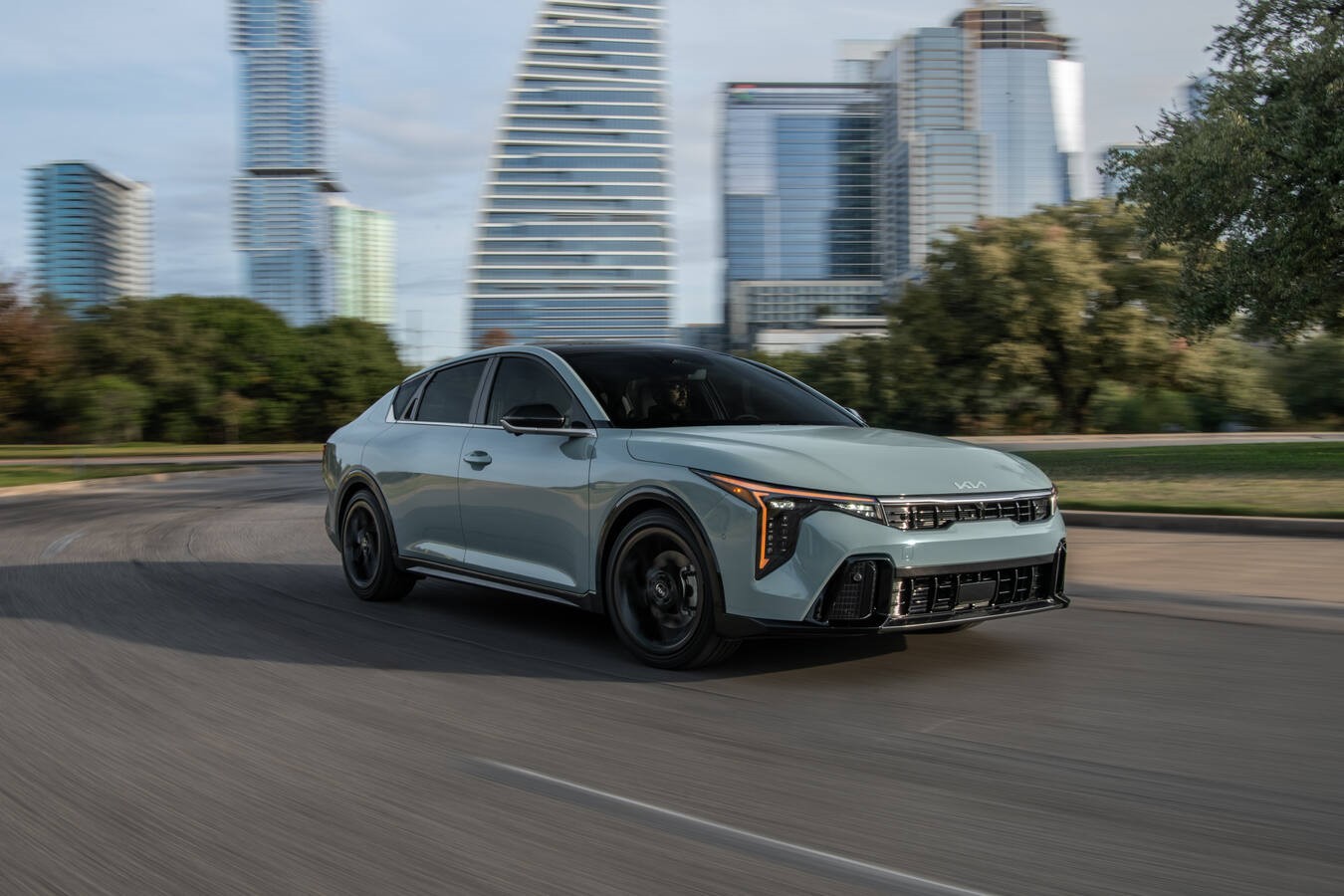
The 2026 Kia K4 GT-Line is a value-focused compact sedan that blends bold, sporty styling with everyday practicality. It targets buyers who want a near-premium presentation with modern technology and a standout design without the high cost of a luxury badge. The GT-Line trim specifically enhances the car's visual appeal with more aggressive details and larger wheels, projecting a sportier persona. Its design is more futuristic and dramatic than conservative rivals, complemented by a wide-screen, highly digital cabin layout inspired by Kia’s EV lineup. While it offers a comfortable ride and impressive features for the money, its performance is more about smooth commuting than aggressive speed. Overall, the K4 GT-Line is seen as a compelling alternative in its class, aimed at tech-savvy, style-conscious drivers who value a rich feature set and a strong warranty.
Its Main Competition
The 2026 Kia K4 GT-Line competes directly with high-volume compact sedans like the Honda Civic, Toyota Corolla, Mazda3, and its corporate cousin, the Hyundai Elantra. The K4 differentiates itself with its daring, fastback-inspired exterior styling, which is more polarizing and concept-like than the understated designs of the Civic or Corolla. Inside, its large, integrated digital dashboard feels more modern than many rivals’ interiors. Compared to the Mazda3, the K4 prioritizes a spacious, tech-forward cabin over minimalist elegance and ultimate handling polish. Against the Civic, it offers a stronger visual impact and value packaging, while the Civic is known for crisp dynamics. The K4 also provides significantly more rear passenger space than the typically tighter Corolla and Mazda3, giving it a near-midsize feel in a compact footprint.
Its Buyer's Demographics
The 2026 Kia K4 GT-Line primarily attracts younger, style-conscious professionals and first-time new car buyers, typically between their mid-20s and early 40s. With a middle-class household income, these buyers prioritize modern design, advanced technology, and a strong value proposition over raw performance or legacy brand loyalty. The demographic includes singles, couples, and young families with one or two small children, often using the K4 as a primary commuter or a stylish second vehicle. These consumers are tech-savvy, comfortable with screen-based interfaces, and are drawn to the vehicle’s high feature content for the price. Kia’s industry-leading warranty is another significant factor, providing financial peace of mind for this budget-aware demographic that values low long-term ownership costs.
Design
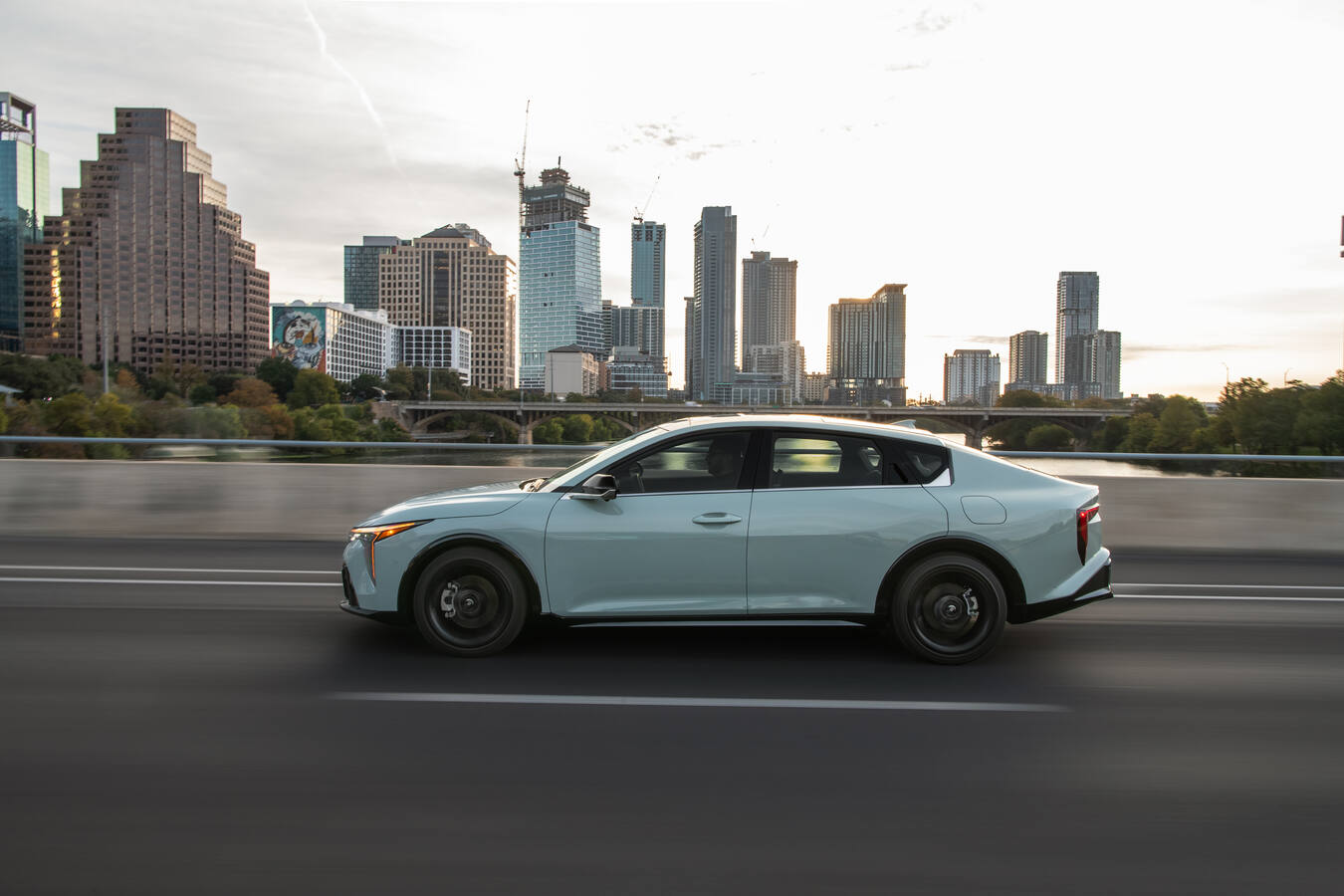
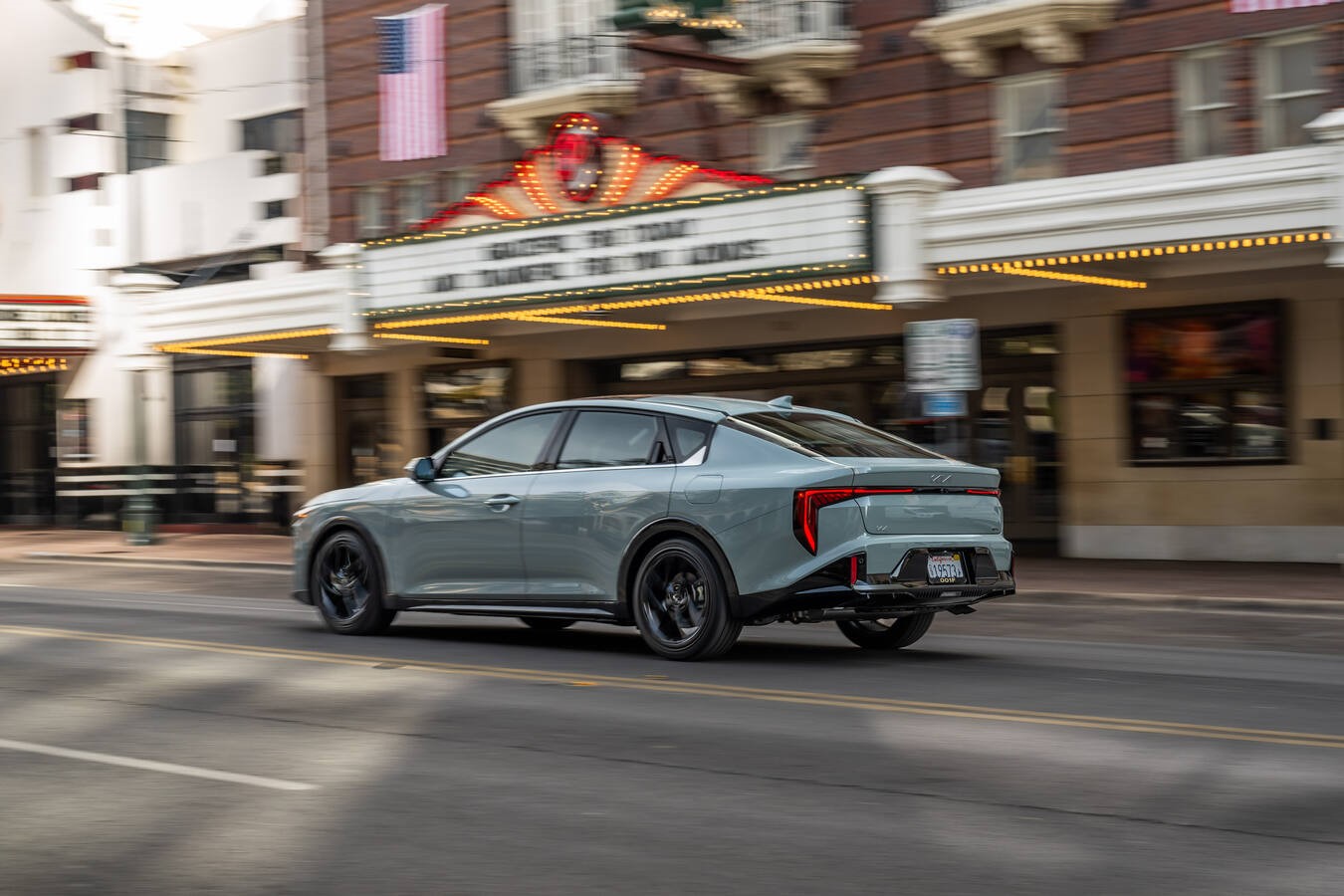
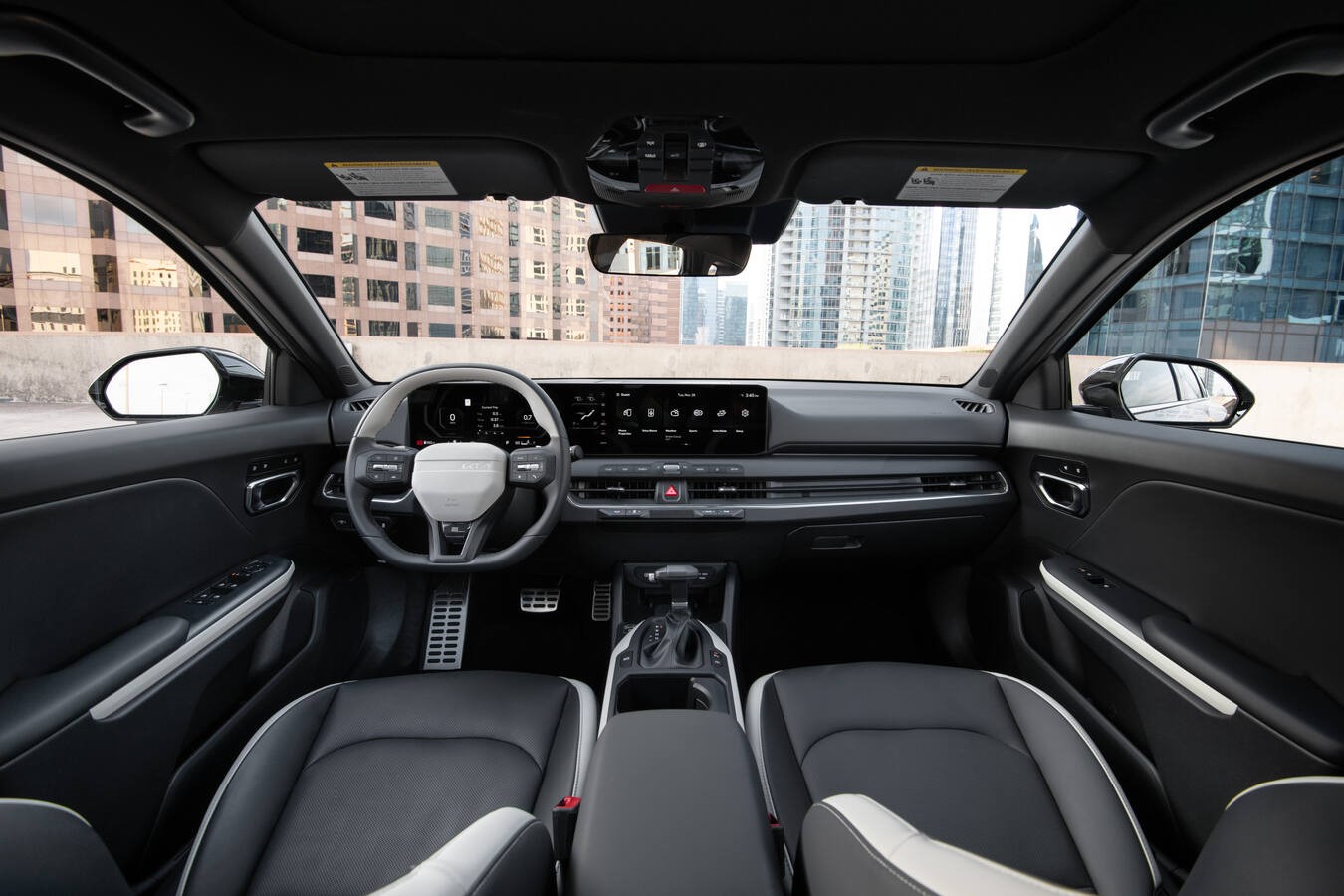
The design of the 2026 Kia K4 GT-Line is one of its most defining and polarizing features, characterized by a bold, futuristic aesthetic aligned with Kia's "Opposites United" philosophy. Its exterior showcases a sweeping fastback roofline, sharp creases, and dramatic vertical LED lighting signatures that make it stand out against more conservative rivals like the Honda Civic and Toyota Corolla. The GT-Line trim further enhances this with sportier accents and larger 18-inch wheels. Inside, the cabin follows a modern, tech-forward theme dominated by a large, panoramic dual-screen display that creates an upscale, driver-focused environment. While some may find the exterior over-styled, it successfully attracts buyers seeking a vehicle that avoids blending in and delivers a near-premium visual impact for an accessible price.
Interior & cargo room
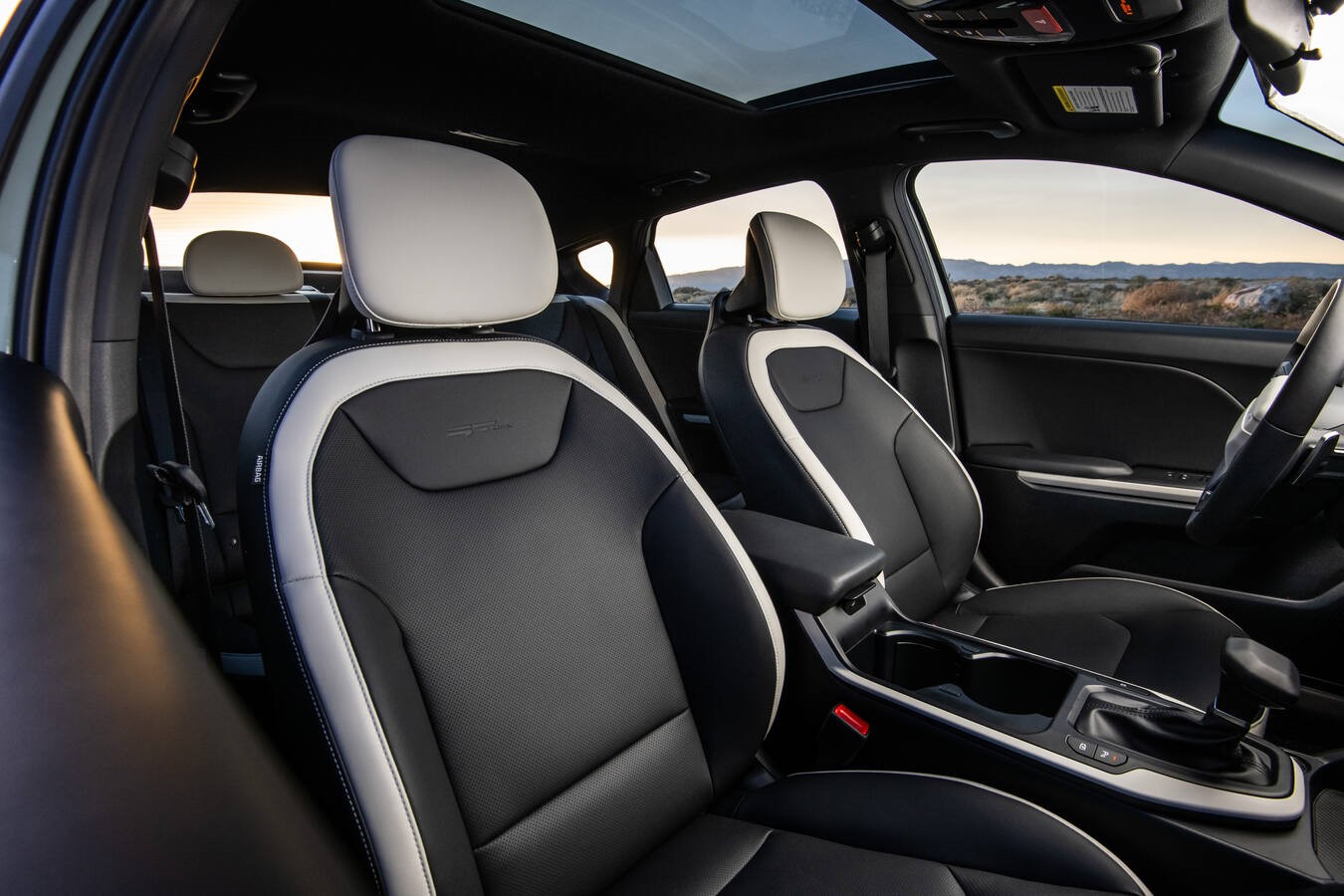
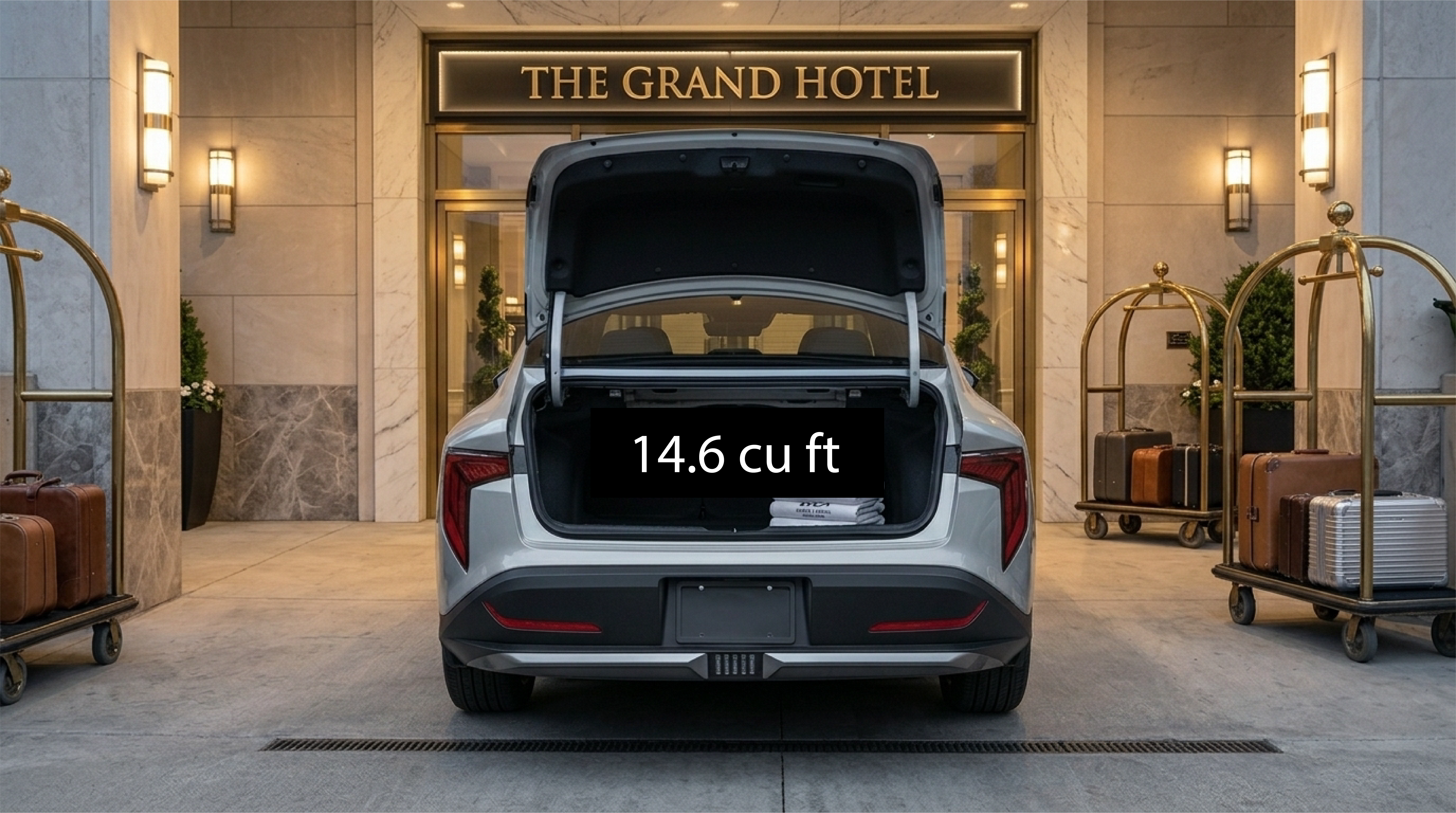
The 2026 Kia K4 GT-Line excels with an interior that feels remarkably spacious for the compact class, verging on midsize accommodations. Front occupants enjoy ample headroom and legroom, but the standout feature is the rear seating area, which offers class-leading legroom that surpasses key competitors like the Toyota Corolla and Mazda3. This makes the K4 unusually comfortable for adult passengers on longer journeys. Rear headroom is respectable, though the sloping fastback roofline can make it slightly tighter for very tall occupants compared to boxier sedans. Cargo room is generous and competitive, with a trunk volume that rivals the Honda Civic. The trunk opening is wide and practical for everyday items, though the stylish, short decklid can make loading taller, bulkier objects more challenging than in a traditional sedan or hatchback.
Ergonomics & comfort
The 2026 Kia K4 GT-Line features a well-designed, driver-centric cockpit with a highly adjustable seating position and steering wheel, accommodating a wide range of body types. Primary controls are generally within easy reach, though some secondary functions are integrated into the touchscreen, which can require more attention than physical buttons. The GT-Line’s front seats are a high point, offering excellent bolstering and support that remains comfortable on long drives. In-cabin storage is practical, with large cupholders, deep door pockets, and a sizable center console bin. Connectivity is also strong, with multiple USB-C ports available for both front and rear passengers. Outward visibility is good to the front, but the stylishly thick C-pillars and sloping rear roofline create rear blind spots, making assistance systems like blind-spot monitoring particularly helpful.
Interior, fit & finish
The interior of the 2026 Kia K4 GT-Line aims for a near-premium look and feel, successfully punching above its price point. The cabin design is modern and cohesive, with high-touch areas like the steering wheel and upper dashboard often featuring soft, quality-feeling materials. Fit and finish are generally impressive, with tight panel gaps and a solid, well-assembled feel that avoids squeaks and rattles over rough pavement. The GT-Line trim adds visual interest with sporty accents and convincing synthetic leather upholstery. However, to maintain its competitive price, hard plastics are still used on lower door panels and less visible areas of the dash and console. While these materials are a reminder of its mainstream roots, the overall ambiance is one of sophistication that often bests what is found in its key competitors.
Driver & Pass UX
The user experience in the 2026 Kia K4 GT-Line is centered around its large, modern touchscreen display, which is responsive and features a user-friendly, smartphone-like menu structure. The system’s graphics are crisp, and it reacts quickly to taps and swipes with minimal lag. While most controls are intuitive, the learning curve involves adapting to a screen-heavy interface, as many vehicle settings are nested within menus rather than having dedicated physical buttons. The available voice control system functions competently for common commands like making calls or changing audio sources, though it can struggle with complex phrasing. Bluetooth pairing is straightforward and reliable. The main drawback is the potential for driver distraction when adjusting settings that require screen interaction, a trade-off for the clean, button-minimalist dash design.
Sound system
The audio experience in the 2026 Kia K4 GT-Line is well-suited for daily listening, providing clear and intelligible reproduction of spoken-word content like podcasts, even at highway speeds. For music, the system delivers a balanced midrange and good clarity at moderate volumes, making it satisfying for most mainstream listeners. The system’s main limitations appear with bass-heavy music or at higher volumes, where the low-end lacks deep punch and the sound can become less composed. An available upgraded premium audio system, often from Harman Kardon, significantly improves performance with fuller bass, better sound separation, and a more immersive experience. Regardless of the system, perceived quality is affected by road noise, which is typical for the compact class but well-managed enough to allow for enjoyable listening during most driving conditions.
Acceleration
The 2026 Kia K4 GT-Line offers two distinct powertrain options that shape its performance. The standard engine is a 2.0-liter four-cylinder making 147 horsepower, paired with a continuously variable transmission (CVT). This setup prioritizes smooth, efficient daily driving but can feel strained during hard acceleration, with 0-60 mph times in the high-8 to 9-second range. The more engaging option is the 1.6-liter turbocharged four-cylinder, producing a healthier 190 horsepower and paired with a traditional 8-speed automatic transmission. This powertrain provides much stronger and more responsive acceleration, especially in the midrange, making highway merging and passing effortless. With the turbo engine, the K4 feels genuinely brisk, achieving 0-60 mph in the mid-7-second range, which aligns it competitively with the sportier trims of its rivals.
Braking
The braking performance of the 2026 Kia K4 GT-Line is confident and competitive for the compact sedan class. Emergency stopping distances from 60 mph are solidly average, generally in the mid-120-foot range, putting it on par with rivals like the Honda Civic and Hyundai Elantra. In everyday driving, the brake pedal feels predictable and easy to modulate, allowing for smooth stops in traffic. The initial pedal feel is tuned more for comfort than aggressive sportiness, with a slightly soft initial travel before building to firm, consistent stopping power. While some competitors may offer a firmer, more direct pedal feel, the K4’s setup is reassuring and inspires confidence without being overly sensitive or grabby. The system shows good resistance to fade during normal street use, providing reliable performance when needed.
Handling
The 2026 Kia K4 GT-Line delivers handling that is stable, predictable, and composed, making it a pleasant companion for both highway cruising and city driving. On the freeway, the steering feels secure and well-weighted, tracking straight with minimal corrections needed. Body roll is well-controlled for a mainstream compact sedan, especially with the GT-Line's slightly firmer suspension tuning, which keeps the car feeling planted through sweeping curves. In urban environments, its light steering makes parking and tight maneuvers easy, and the car remains nimble and responsive. The turning circle is competitive for the segment, aiding maneuverability in confined spaces. While it doesn't offer the razor-sharp feedback of the class-leading sport compacts, the K4’s handling strikes an excellent balance between everyday comfort and engaging, confidence-inspiring dynamics.
Interior noise
The 2026 Kia K4 GT-Line offers a cabin that is respectably quiet for its class, representing a noticeable improvement over older compact cars. At steady highway speeds, wind and road noise are well-managed, allowing for easy conversation without raised voices. The engine is generally subdued during casual driving but becomes more audible under hard acceleration, with a sound that is controlled but not particularly sporty. As with most cars in this segment, coarse or broken pavement will introduce more tire roar into the cabin. The K4 relies on traditional passive sound-deadening materials rather than active noise cancellation technology. Overall, its noise levels are competitive, feeling more refined than budget-oriented rivals and contributing to a comfortable, low-fatigue experience on long commutes and road trips.
Ride quality
The ride quality of the 2026 Kia K4 GT-Line is generally composed and comfortable, striking a good balance between compliance and control. On the freeway, the car feels stable and planted, effectively smoothing out long undulations and minor imperfections without feeling floaty. The GT-Line’s suspension is tuned to be slightly firm, consistent with its sporty branding, so it communicates more of the road texture than a pure comfort-focused sedan. In the city, it handles most bumps and potholes well, absorbing impacts with a controlled, well-damped response that avoids harshness. While sharper hits can be felt, the ride is rarely jittery or punishing. The chassis remains disciplined over speed bumps, settling quickly without excess bouncing, delivering a mature and refined ride for a daily driver.
Driver assist systems
The 2026 Kia K4 GT-Line is equipped with a comprehensive suite of modern driver-assistance systems that are competitive and well-executed for the segment. Features like adaptive cruise control maintain following distances smoothly in traffic, while the lane-centering system provides gentle steering inputs to reduce driver fatigue on well-marked highways. The system operates without the jarring "ping-pong" effect seen in less refined setups. Essential safety nets like blind-spot monitoring and rear cross-traffic alert are particularly useful, providing timely and non-intrusive warnings. The forward collision-avoidance system with automatic emergency braking works as a reliable backup. Overall, the technology functions reliably and helps to reduce stress in daily driving, performing on par with the well-regarded systems offered by key competitors like Honda and Toyota.
Mileage
Fuel economy for the 2026 Kia K4 GT-Line is competitive for the gas-powered compact sedan class. The standard 2.0-liter engine is the more efficient choice, typically delivering combined mileage in the low-to-mid 30s mpg, aligning it with non-hybrid versions of the Honda Civic and Toyota Corolla. The more powerful 1.6-liter turbo engine trades some efficiency for performance, with its combined MPG figures usually landing around 30 mpg. These numbers place the K4 solidly in the average-to-good range, making it cost-effective to fuel for daily commuting. While it doesn't offer a hybrid option to challenge the most frugal competitors, its gasoline powertrains deliver respectable efficiency through modern engine design, transmission tuning, and aerodynamics, making it a practical choice for budget-conscious drivers.
Safety
The 2026 Kia K4 GT-Line is engineered with a strong focus on safety, incorporating a rigid chassis and a comprehensive suite of standard and available active-safety features. Its modern platform is designed to perform well in crash tests, targeting top ratings from agencies like the IIHS and NHTSA. Standard driver aids typically include forward collision-avoidance, lane-keeping assist, blind-spot monitoring, and rear cross-traffic alert. These systems function effectively to help prevent common accidents. Higher trims may offer more advanced features like a surround-view camera, which aids in tight parking situations. The K4’s broad array of standard safety technology is a key selling point, often matching or exceeding the equipment found on similarly priced rivals and providing a strong sense of security for occupants.
Pricing
The 2026 Kia K4’s pricing is strategically positioned to be highly competitive within the compact sedan segment, typically spanning from the low-$20,000s to around $30,000. The GT-Line trim is often the most popular choice because it hits a sweet spot, bundling the desirable sporty appearance and premium-feeling tech features at a mid-range price point. This allows buyers to get the high-end look without paying for the top-tier turbocharged engine if they don't need the extra power. When comparing feature content for the dollar, the K4 GT-Line often appears as a stronger value than similarly equipped versions of the Honda Civic or Mazda3. This aggressive pricing strategy, combined with generous standard equipment, makes the GT-Line a compelling option for buyers focused on maximizing style and features within a mainstream budget.
Value
The 2026 Kia K4 GT-Line presents a strong value proposition, particularly at the time of purchase. It offers a generous list of standard features, including large infotainment screens, advanced driver aids, and stylish design cues, for a price that often undercuts similarly equipped key competitors like the Honda Civic and Toyota Corolla. Further enhancing its value is Kia’s industry-leading 10-year/100,000-mile powertrain warranty, which significantly reduces long-term ownership cost anxiety. While perennial leaders like the Civic and Corolla have historically held a slight edge in long-term resale value, the gap has been closing as Kia’s brand perception improves. The K4's compelling combination of modern features, attractive styling, and extensive warranty coverage makes it an excellent overall value in the compact sedan market.
Reliability
As a newer model, the 2026 Kia K4's long-term reliability is still being established, but it is built upon proven Kia and Hyundai components. The standard 2.0-liter naturally aspirated engine is generally considered a straightforward and dependable powertrain. The optional 1.6-liter turbo engine is also widely used and has a solid track record, though turbocharged engines inherently have more complexity. Early owner feedback tends to focus more on minor infotainment software quirks than significant mechanical issues, a common trend across many tech-heavy modern vehicles. Compared to rivals, its predicted reliability is expected to be average to above-average, trailing the top reputations of Toyota and Honda but remaining highly competitive. Kia’s extensive warranty provides a crucial safety net, offering peace of mind and mitigating financial risk during the ownership period.
Frequently asked questions about the 2026 Kia K4 GT-Line
Is the 2026 Kia K4 GT-Line worth buying?
The 2026 Kia K4 GT-Line is a value-focused compact sedan that blends bold, sporty styling with everyday practicality. It targets buyers who want a near-premium presentation with modern technology and a standout design without the high cost of a luxury badge. The GT-Line trim specifically enhances the car's visual appeal with more aggressive details and larger wheels, projecting a sportier persona. Its design is more futuristic and dramatic than conservative rivals, complemented by a wide-screen, highly digital cabin layout inspired by Kia’s EV lineup. While it offers a comfortable ride and imp
How much does the 2026 Kia K4 GT-Line cost?
The 2026 Kia K4 GT-Line is priced at $22,290 – $28,390, before destination, options, and incentives.
What is the fuel economy of the 2026 Kia K4 GT-Line?
The 2026 Kia K4 GT-Line returns 33 MPG combined per published EPA figures.
How this review is produced
moblr meta-reviews are generated by aggregating multiple published expert road tests using AI consensus and sentiment analysis, then read and reviewed by a human editor before publication. Category ratings on the −50 to +50 scale show how each vehicle compares to the average for its segment. Learn more about the moblr review process.